
What guitarists can learn from bass is overlooked. In some cases, six strings can be easier than four. Let’s check out some vital skills that could help your playing.
All about Bass Techniques for Guitarists
What Guitarists Can Learn From Bass:
- Learning the bass helps guitarists to improve their rhythm, timing and overall groove. Helping to focus on the pocket rather than just lead playing.
- Bass techniques such as slapping and usuing octaves can make guitar parts tighter and add expression.
- Bass players lock in with drummers, and guitarists should have the same mindset.
Octaves
In our first look at what guitarists can learn from bass, we’re looking at the golden ticket that are octaves. As guitarists, we use octaves a lot, but most of the time, without thinking.
Firstly, what is an octave? An octave is a musical interval where the two notes are excatly the same, just at higher or lower pitches. These are vital for bass players for adding extra groove and feel to a bass part.
Imagine playing a power chord on guitar, and adding your 4th finger to the string below the 5th of the chord. This is the same for bass. The Hotel California bass line is a perfect example of how adding octaves makes somethinhg borining timeless and cool.
Improved Rhythm
Next up in what guitarists can learn from bass, we’re turning to rhythm. In most cases, bass parts are syncopated. Syncopation is where you play off the main beat. The easiest way to understand this is by clapping with a friend, or a metronome, but clapping in the gap. This is the offbeat.
On guitar, most parts are played on the beat, or as quavers in double time. As a result, they lack any sense of movement. Therefore, learning a few bass lines will really help to add some bounce into your playing.
Look at something like Long Train Runnin’ by The Doobie Brothers. The guitar part is funky, whereas the bass line is dripping in syncopation and is great to get under your fingers.
Slap & Pop
Next up, a technique that isn’t really doable on guitar in the same way that it’s achieved on bass. However, slapping and popping is seriously cool and needs to be studied.
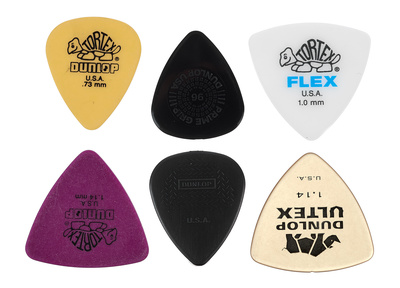
On guitar, we can either pick notes with a *plectrum, or finger pick them. Bass players have the same options avaliable, in addition to slapping and popping.
This is the action of lifting the string, before aggressivly slapping it again with your thumb. Along with some carefully placed mutes, you can transform your playing from dull and lifeless, to full 1970s disco mode. Just think Mark King or Flea. That’s what we’re talking about here.

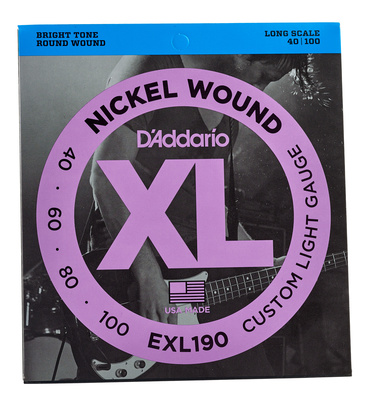


In terms of what guitarists can learn from bass, another thing to consider is that not all bass guitars will slap and pop effectivley. Flat wound strings are a massive red flag when it comes to this technique. They provide a warm and smooth sound, rather than the spank that *roundwound strings give.
Finger Dexterity
Guitarists just aren’t ready for the pure thickness of bass guitar strings. Therefore, playing bass can be very physically demanding compared to guitar. Even playing something like Seven Nation Army can be tough!
Moreover, the frets are wider on bass, and as a result, the stretches required for certain bass parts can be hard when you’re first starting out on bass or adapting from guitar.
With regards to what guitarists can learn from bass, finger stretches are vital. Even in your strumming / picking hand, you need to hit the strings a lot harder than you would on an electric guitar.
Fretboard Memory
Concluding our quick look at what guitarists can learn from bass, we’re highlighting the importance of learning the fretboard. Most beginner guitar guitarists fear the fretboard. Learning the location of 72 notes upto the 12th fret can be daunting.
On bass, you play via notes rather than memorable shapes. As we looked at earlier, lots of riffs are based around a single note, but adding in 5ths and octaves. So, it’s important to learn where your notes are across the fretbaord.
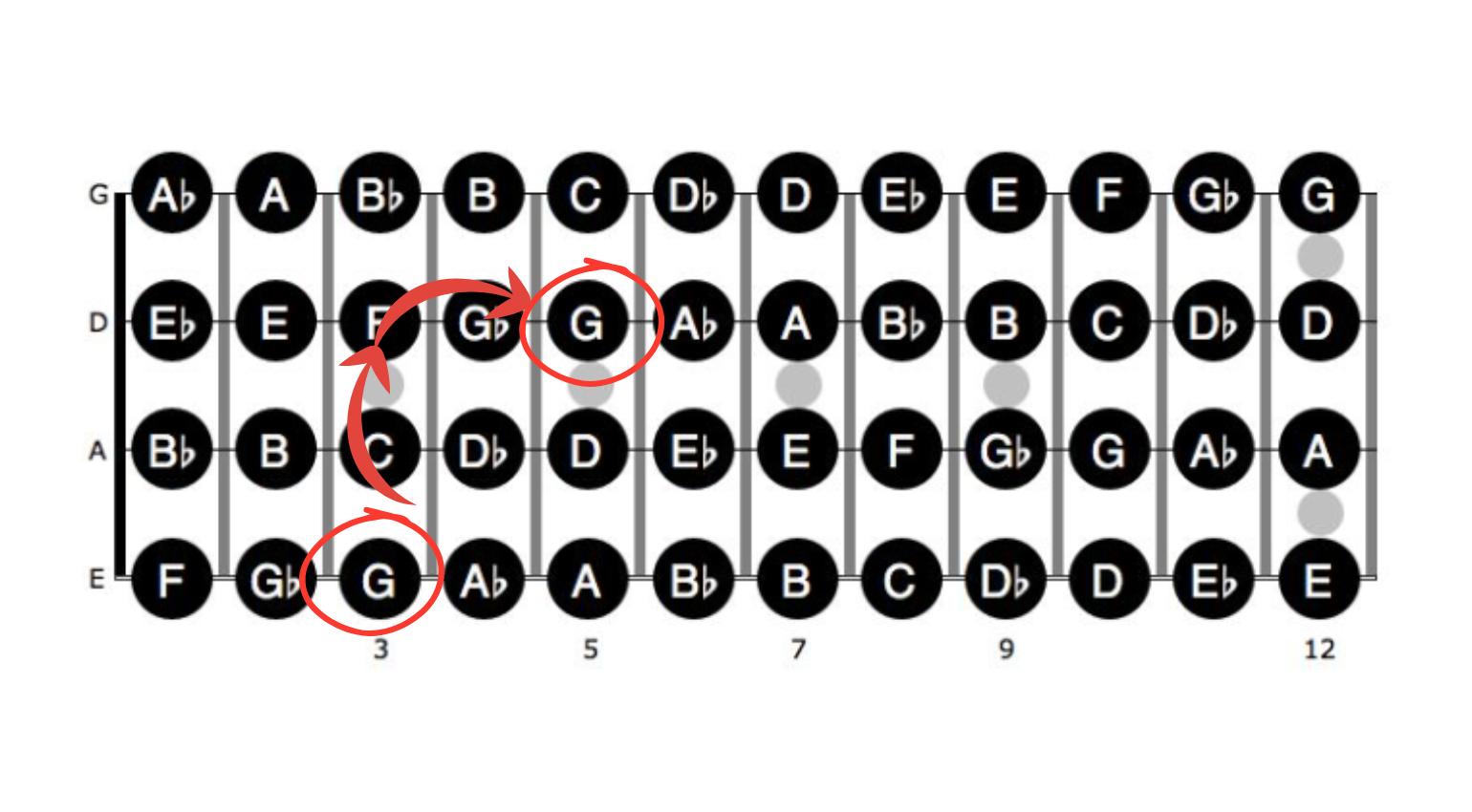
The easiest way to learn the entire fretbaord on bass is to learn the note names on the E and A strings. From here, you don’t need to learn the D and G strings because you can use the octaves from the thicker strings. If you take teh 3rd fret on the E string, this is a G note. If you go two strings down, and two frets across, you’ll find another G. This is the octave, and another part of the fretbaord that you’ve just unlocked.
Videos
Further Information
*This post contains affiliate links and/or widgets. When you buy a product via our affiliate partner, we receive a small commission that helps support what we do. Don’t worry, you pay the same price. Thanks for your support
The post What Guitarists Can Learn From Bass: 5 Essential Lessons appeared first on gearnews.com.