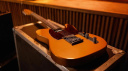
We are witnessing an absolute explosion of signature models. It seems like every week brings a new artist collaboration hitting the market, covering every genre and price point. Signature guitars used to be rare unicorns, but nowadays it feels like a new one is announced every week.
Contents – The Rise of the Signature Guitar
Signature Guitars
As someone who has been playing for 40 years and owns a fair few signature models myself, I genuinely love the concept. When done right, a signature guitar (perhaps) offers a unique window into an artist’s tone, giving players access to custom neck profiles, unique pickup voicings, and specialised custom finishes. Or it may simply align with your tastes and guitar style.
But as this sector of the guitar market grows, so does the temptation for some brands to rely on the artist’s name to drive the price tag upwards, rather than the instrument’s inherent quality. If you are in the market for a signature guitar, it pays to look closely at the spec sheet.
I’ve seen some amazing signature models over the years, and some not-so-amazing ones, but recently I was dismayed by a signature model that just launched, and early reports have confirmed my suspicions that it’s a corporate cash grab and seriously overpriced for what it offers.
Of course, I’m not going to cover every signature guitar model, but I am going to point out some I think are poor and a few I believe are good value for money.
Underwhelming
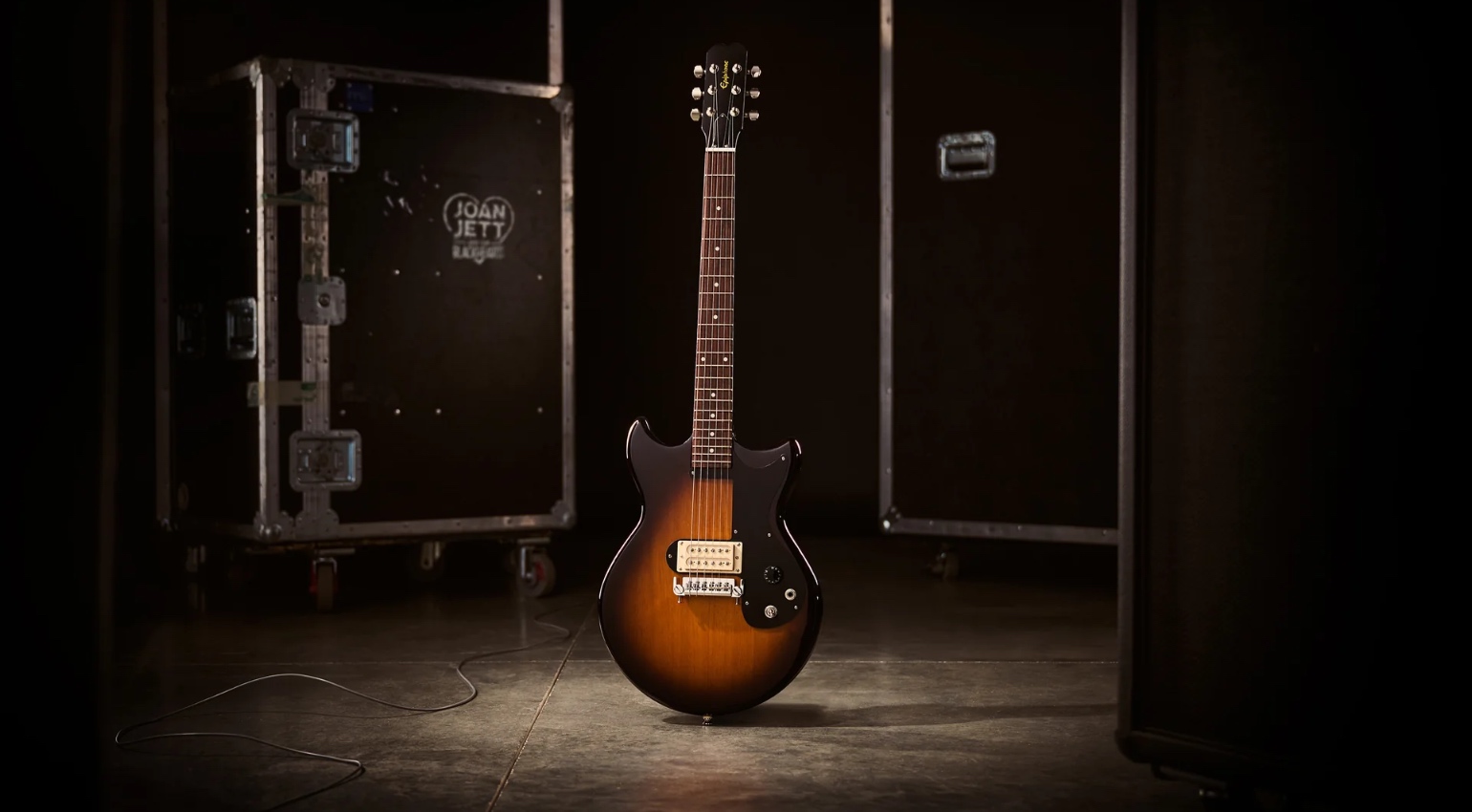
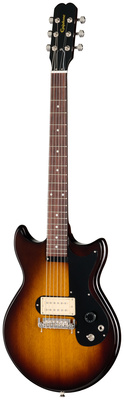
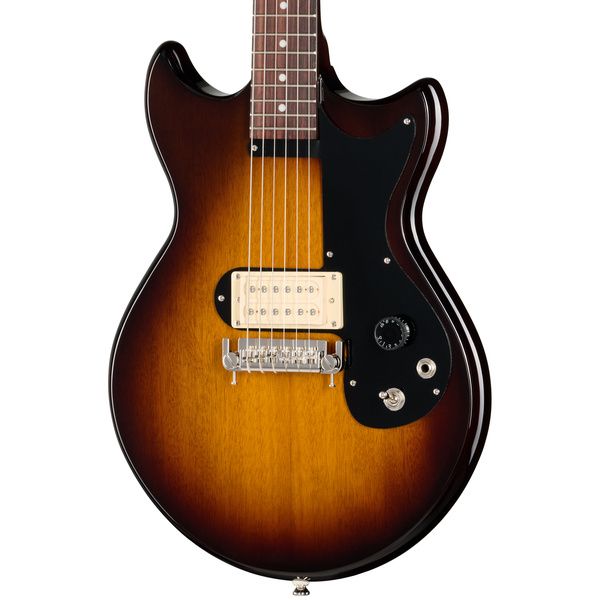
Take a look at the recently released Epiphone Joan Jett Olympic Special. It’s meant to be a stripped-back, no-nonsense rock ‘n’ roll machine, which is a fantastic concept. However, with a list price of £599 here in the UK, a super basic, single-pickup guitar really needs to deliver on the fundamentals. Instead of high-quality electronics or premium tuners, we’re seeing unbranded, generic hardware.
I love Joan Jett’s music, but this looks like a real letdown for her fans, and I doubt she had any say in its development. So someone at Epiphone/Gibson has let her down.



Cheap Hardware, Poor Electronics
I also spend a lot of time at the workbench building guitars and swapping out wiring harnesses, potentiometers, and hardware to get instruments playing at their best and sounding great, so I know exactly what goes into a build. When a brand doesn’t put that basic effort into an instrument at this price point, it’s frustrating.
The Guitaristas YouTube channel recently reviewed this model and highlighted these exact hardware shortcomings, noting that very little effort went into the build. It’s a valid critique of a guitar where the budget seems to have gone entirely toward the endorsement rather than the components.
Epiphone can certainly build amazing signature models; for example, I own the Brent Hinds Flying V, and it is glorious. Plus, their Jared James Nichols signature models are pretty amazing for a stripped-back, single-pickup guitar and have fantastic hardware.
When They Get It Right
On the flip side, some brands consistently knock it out of the park, proving a signature model doesn’t need an astronomical price tag to be stellar. Look no further than Squier.
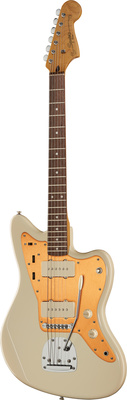
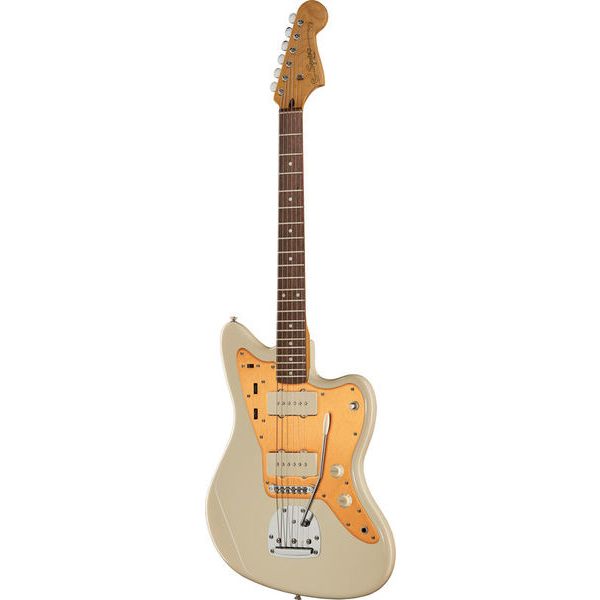
For years, the Squier J Mascis Jazzmaster has been the gold standard for affordable signature guitars. It has been around for a long time and commands immense respect from players and modders alike.
I owned one for years, and it was an amazing guitar that punches well above its price point. Why? Because the budget went into exactly what matters to the artist and the player: a fantastic satin-finished neck, a rock-solid Adjusto-Matic bridge that solves traditional Jazzmaster string buzz, and slightly hotter pickups that sound massive.
It’s a guitar that genuinely reflects Mascis’s playing needs while completely overdelivering on value.

Hopefully Another Great Signature Guitar
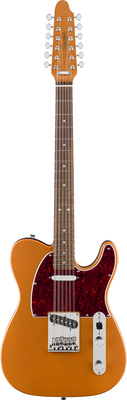
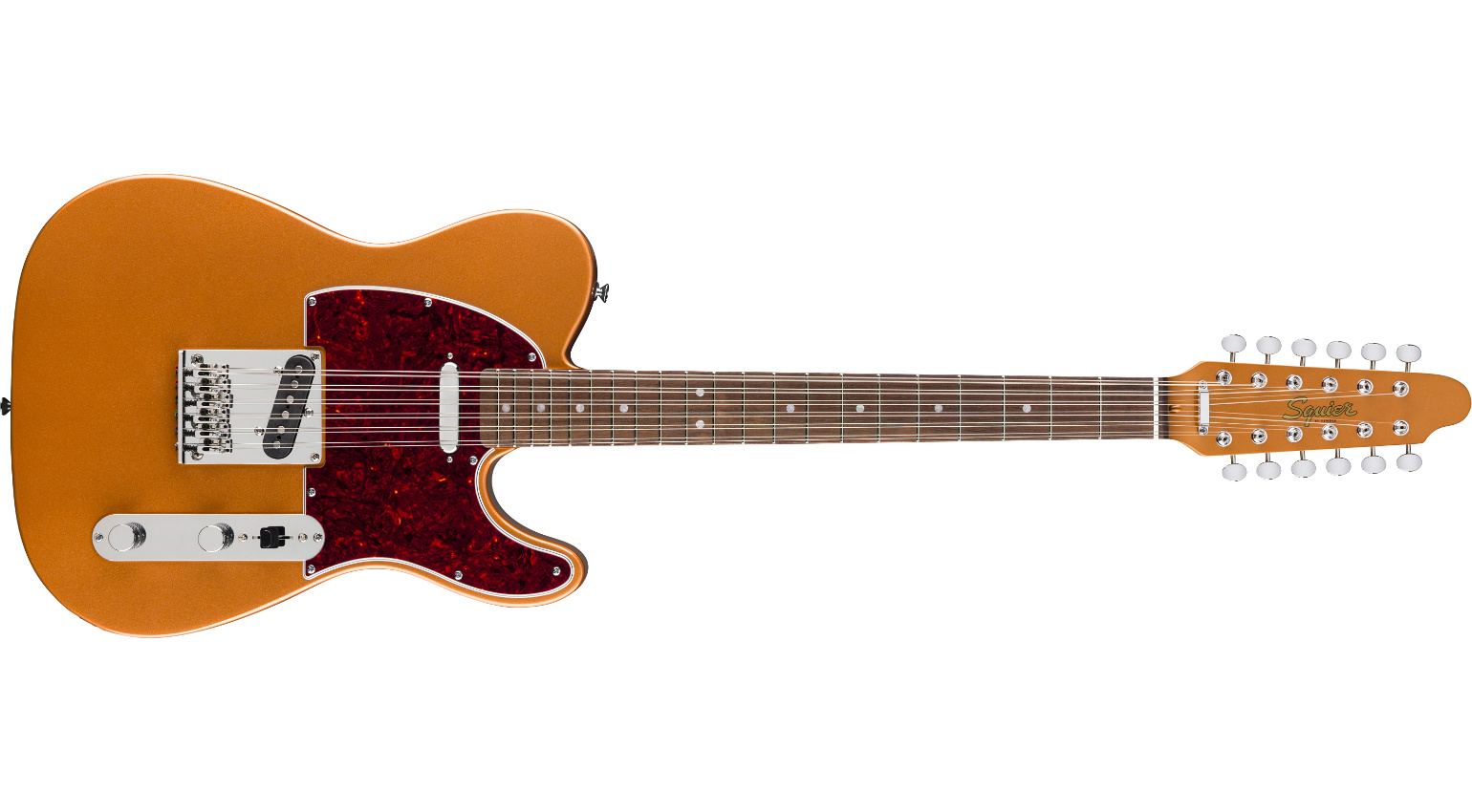
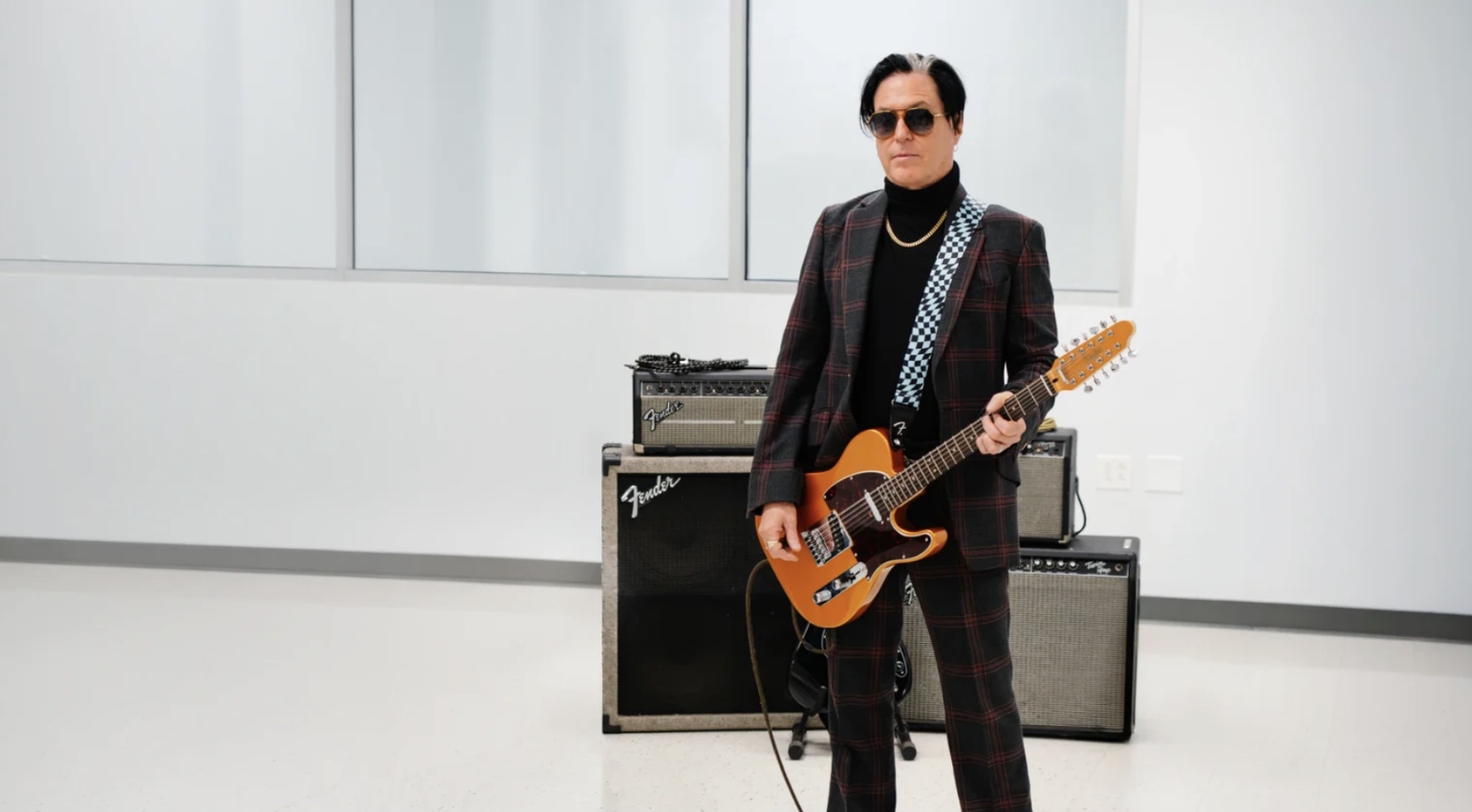
Squier is still carrying that torch today with their brand-new Troy Van Leeuwen signature model. Instead of just slapping a name on a standard template, they’ve released the Paranormal Troy Van Leeuwen Telecaster XII.
The Jason Mays YouTube channel has a good review of this new model.
A Copper Age Dream?
This one is a gorgeous 12-string electric in a custom Copper Age finish. It addresses real player pain points with a functional top-load/string-through bridge to improve tuning stability, and it gives players access to a lush, shimmering 12-string voice without requiring a boutique budget. I own two other Troy Van Leeuwen signature guitars myself, the Yamaha TVL and his Oxblood Jazzmaster, and this one is on my radar as well.
When an artist collaboration gives us something this unique and accessible, everybody wins, and price-wise it is in the same ballpark as the other models I mentioned.
More Expensive Signature Guitars
Thinking back 30 years to my days working the floor in music retail, I distinctly remember a brand-new, high-end US-built Jimmy Page signature Les Paul arriving in the shop. It was exorbitantly priced, yet it arrived with an unplayable neck that had been fret-dressed right down to the wire at the factory and still wouldn’t set up correctly.
Of course, this was one specific guitar, but it goes to show that any guitar at any price point can be poorly made, whether it cost £599 or £5999.
I’m also not super impressed by the whole highly limited-run guitar recreations, inclusing the recent Billy Gibbons Pearly Gates recreation at $40k a pop! But these models are built for the collectors’ world, and so aren’t viable for most working musicians anyway.
The DGT
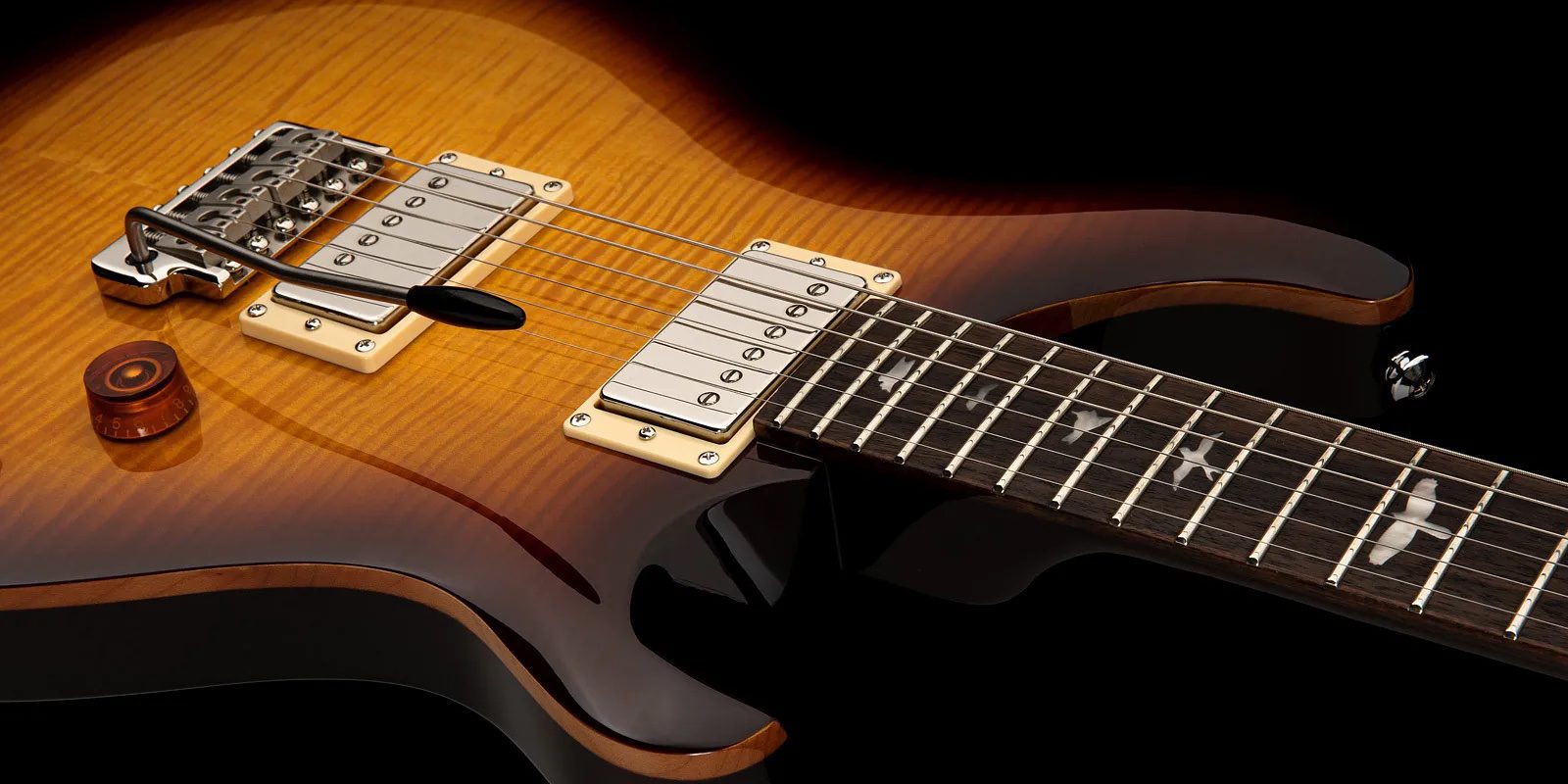
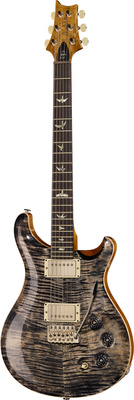
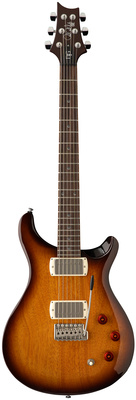
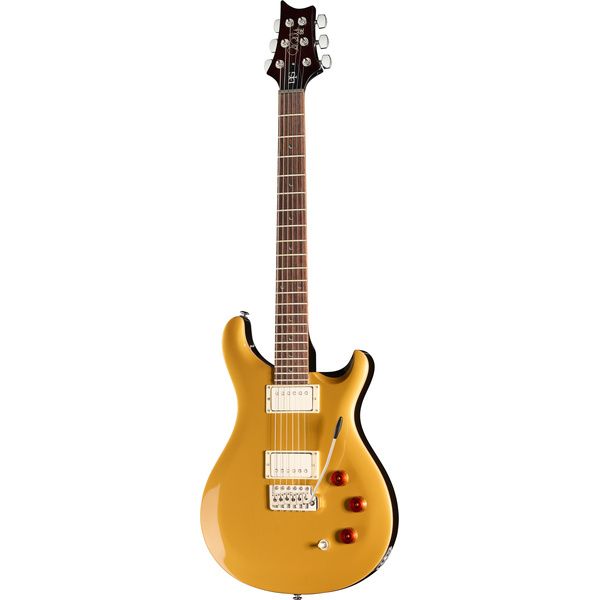
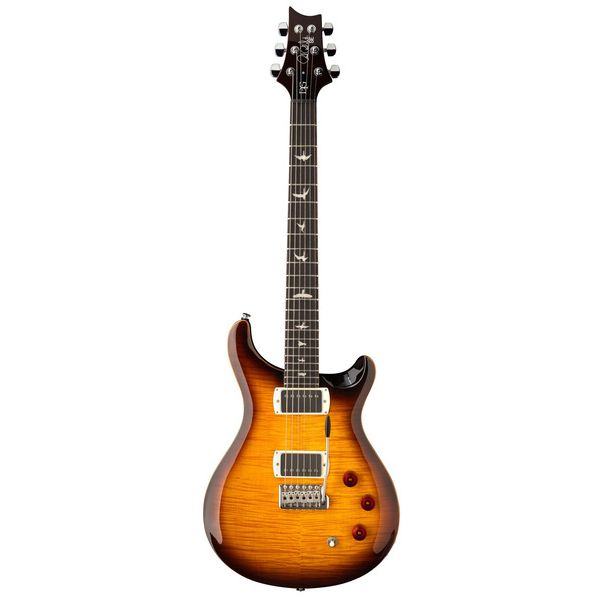
A fairly priced, higher-priced signature model I feel is worth the money is the PRS DGT, which is a great guitar, and I have owned one myself. These days, they also do an SE version, which is also highly regarded, so it’s a win-win for us players.
If a PRS SE DGT (for not much more than the Epiphone Joan Jett) can offer so much at a reasonable price, then it makes a case for signature guitars as a good investment for working musicians.
A Player’s Guitar
I feel David Grissom got it mostly right (maybe the volume controls are awkward), and PRS is very consistent in build quality across US Core models and the imported SE line. These are great workhorse guitars and well worth checking out. Paul Reed Smith makes great guitars, and I like that its SE line is dependable too, even though it’s a fraction of the US Core models.

An Affordable Solid Build
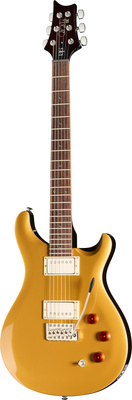
To me, the SE line offers good hardware, basic tuners (but they hold tune), and decent pickups and wiring. I still play an Ace (Skunk Anansie) SE signature model (basically a Tremonti) which punches way above the price point and is a killer guitar.
Are Signature Guitars Worth the Extra?
I don’t believe there is a single answer to this question. We have had signature guitars ever since Gibson persuaded Les Paul to work with them, and then we had Trini Lopez models, etc. They can add features to an existing design based on the artist’s experience in the studio and playing live.
Or they can be a ‘corporate cash-in’ that relies on the artist’s name to bump a model’s price, with very little effort on the part of the guitar company.
Some people hate them, and I have heard statements like players wanting to pose as a guitarist they admire, and so on. Others play them without even knowing who the artist is; they just like the model itself.
Whether you play an Ibanez JEM, an EVH Wolfgang, or a Brian May Red Special, does that also mean you want to emulate them? Or do you just like the features these ‘unique’ guitar designs offer?
Whatever your thoughts are on ‘value’ will be personal. I like the well-thought-out models, but I really detest the cash-in ones. Let me know your thoughts in the comments section, and tell us what you think about them, which ones you rate, and which ones you think are a cash grab.
The post The Rise of the Signature Guitar: The Good & Not So Good appeared first on gearnews.com.