For some guitarists, the whole thing is pretty straightforward: Angus Young needs an SG and a cranked Marshall. Slash belongs with a Les Paul in hand. Tony Iommi gets by with his SG and a Laney. Sure, there’s more depth behind all these sounds, but the basic recipe explains itself fast. Then there’s the gear of The Edge. A guitarist you’d honestly need a wiring diagram to properly explain.
The Gear of The Edge: Guitars, Amps, and Effects Behind U2’s Sound
My research into The Edge’s gear pulled me way past guitars and amplifiers. We’re talking delays, modulation, pitch effects, preamps, multiple amps, complex switching systems, and at one point 45 guitars on tour. Some of his parts are so tightly bound to a specific effect that they simply don’t work without it.
For our Greatest Guitarists of All Time series, The Edge makes for a great counterpoint to the classic rock god archetype: less pentatonic soloing and Marshall walls, more small voicings, plenty of space, and a serious amount of technology.
The Edge: The Anti-Rock God
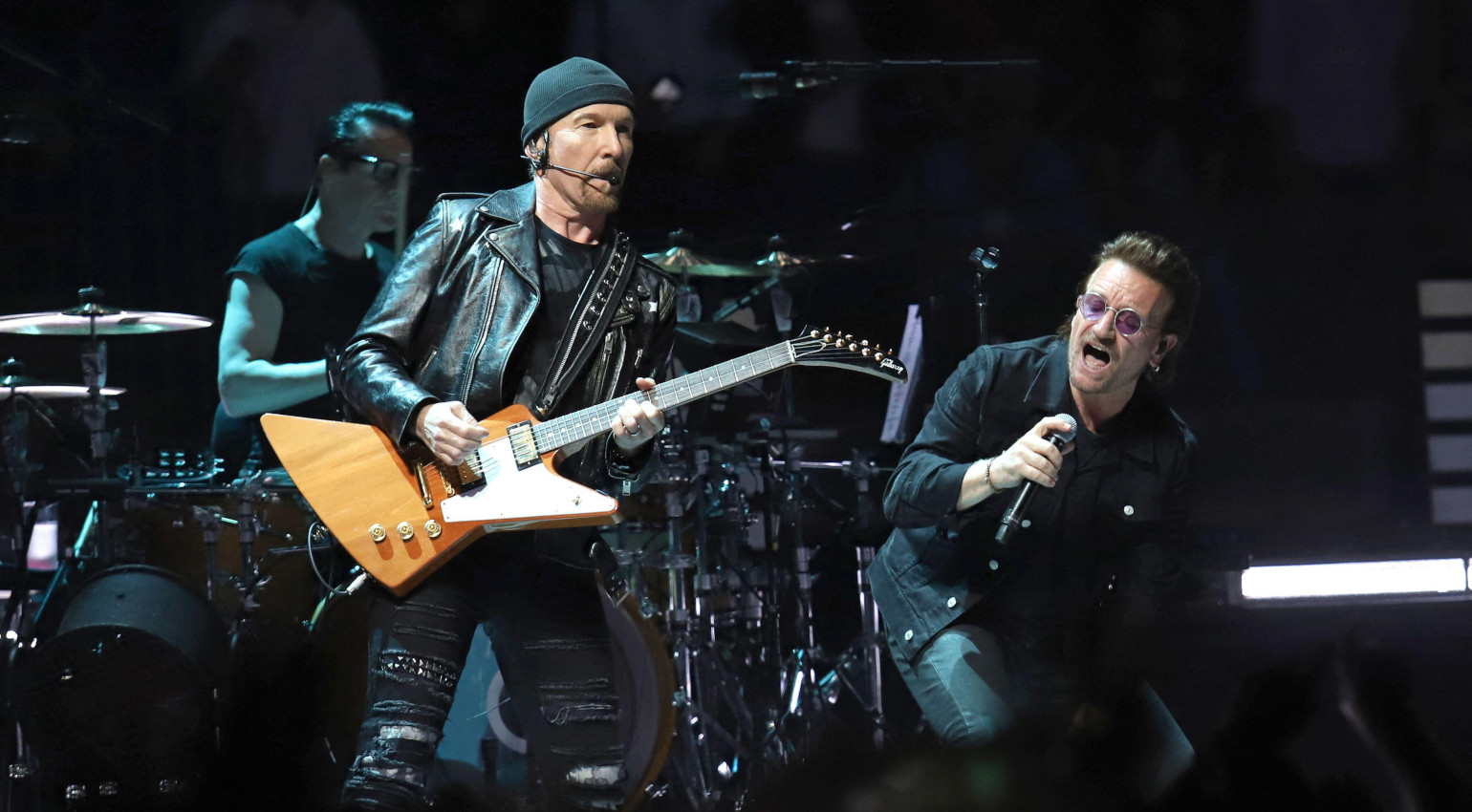
David Howell Evans, better known as The Edge, has avoided almost everything that defines a classic guitar hero. No sprawling blues solos, no pentatonic marathons, no wall of amps to pose in front of with your shirt open.
Instead, The Edge often plays remarkably little, almost restrained, and carries himself the same way on stage. Call him rock’s elder statesman if you like: small chord shapes, single intervals, open strings, and short rhythmic figures form the backbone of many of his most recognizable parts. Anyone who’s actually tried playing Pride (In the Name of Love), Bad, or Where the Streets Have No Name quickly realizes how precisely this supposedly simple stuff is built.
Back in the mid-1980s, The Edge already described deliberately avoiding full chords, preferring just two or three notes instead. He’ll even drop the third. That leaves open voicings with plenty of room for bass, vocals, and keyboards.
When the Effect Suddenly Joins In
Things get properly interesting where, for most guitarists, the pedalboard’s job is simply to polish an already-finished sound. The Edge doesn’t use effects to dress up a completed guitar tone. For him, they become part of the actual guitar part itself.
The most famous example is obviously delay. The Edge plays a rhythmic figure and lets the repeats deliberately land in the gaps between his picked notes. A handful of notes turns into a far more complex pattern this way, one that would be nearly impossible to actually play by hand (at least for me).
Talking about Pride back in 1985, he explained that he’s playing sixteenth notes and the echo generates the extra rhythmic movement on top. Strip the delay away, and what’s left is a surprisingly stripped-down, almost simple guitar part.
That’s probably the real difference between him and Angus Young and company: with Angus, you want what comes out of the speaker to reflect as directly as possible what hands, SG, and amp produce. With The Edge, the rig responds to what his hands are playing.
That’s also why the old criticism, that The Edge hides behind his effects, falls pretty flat for me. For this concept to work at all, the timing has to be locked in. A badly picked note doesn’t just vanish into the delay, it comes back a few more times to haunt you, worst case scenario. We’ve all seen the meme.
More Than Just the Dotted Eighth Delay Guy
Even in U2’s earliest years, The Edge was hunting for his own voice on guitar. Bands like Television, and Tom Verlaine in particular, showed him that rock guitar didn’t have to sound like blues and hard rock by default.
That’s why, even on early U2 recordings, the guitar tends to build textures and space rather than just laying chords under the vocal. At the same time, The Edge knows exactly when to drop all that texture-building. Sunday Bloody Sunday works so well partly because not every open space gets filled with delay.
Worth stressing: The Edge isn’t just the dotted eighth delay guy. Delay is one tool inside a much bigger system built from arrangement, dynamics, guitar choice, and tone shaping.
And this is exactly where we have to talk about The Edge’s actual gear. Because musically, he might be a minimalist. His equipment tells a very different story.
The Right Guitar for Every Song
For Angus Young or Slash, the bond between musician and instrument is almost part of their personal brand. The Edge takes a different path here too.
On the eXPERIENCE + iNNOCENCE Tour in 2018, his longtime guitar tech Dallas Schoo reported traveling with 45 guitars total. Roughly 18 to 20 of those actually saw action on any given night.
That sounds completely absurd at first. But there’s a consistent principle behind it: The Edge treats a guitar less like a personal talisman and more like a tool built for one specific sound.
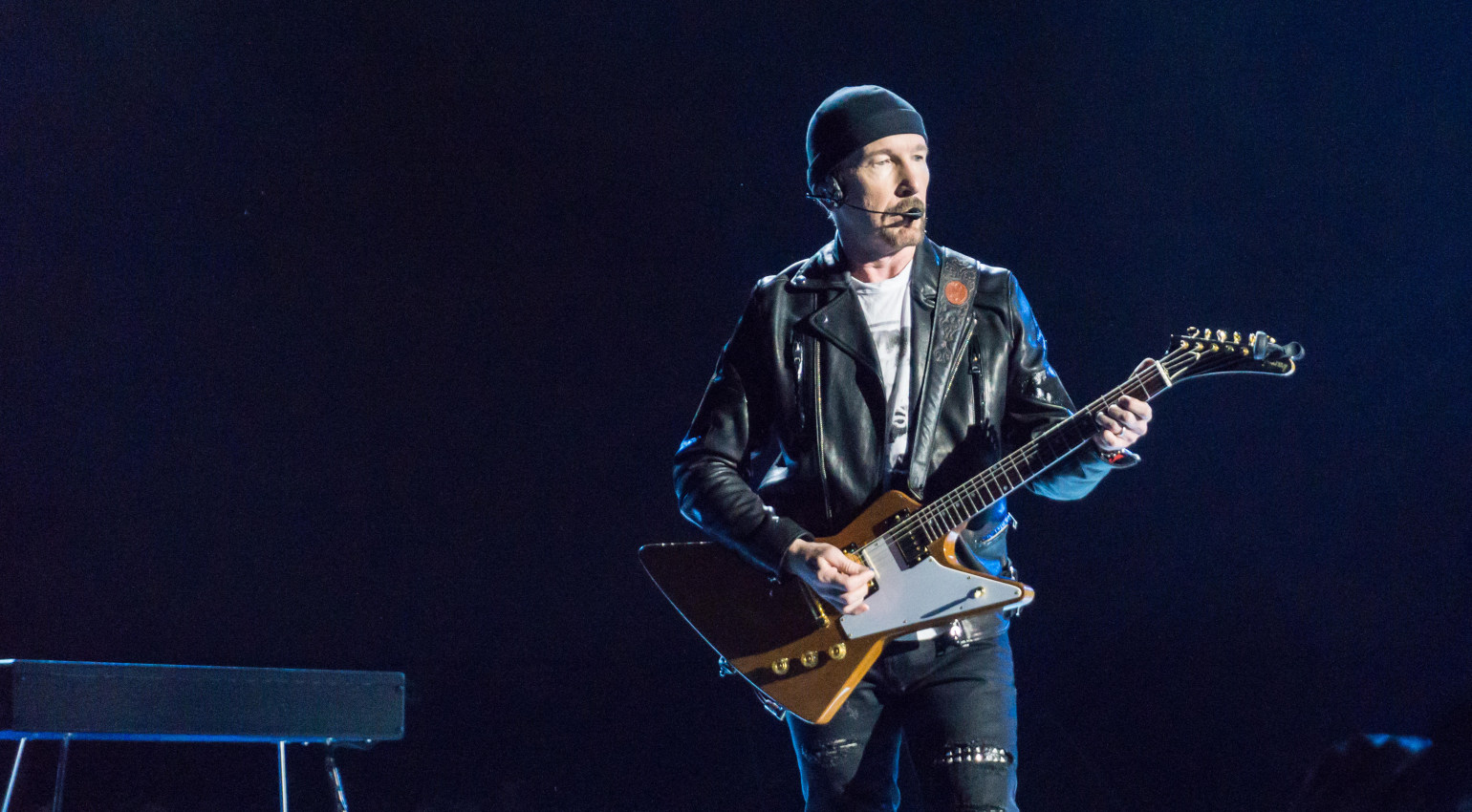
Gibson Explorer: The Big Constant
If there’s one guitar tightly tied to The Edge, it’s his 1976 Gibson Explorer. He bought it as a teenager in New York and turned this hard rock and metal-leaning model into a core piece of the early U2 sound, of all things.
The humbuckers deliver more substance than a classic Strat, yet stay surprisingly clear in his hands. Open chords, rhythmic figures, and delay all work just as well on the Explorer as heavier, more aggressive tones do.
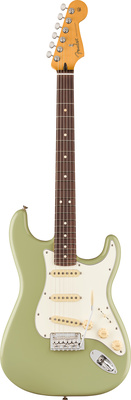
Fender Stratocaster: Single-Coils and Maximum Clarity
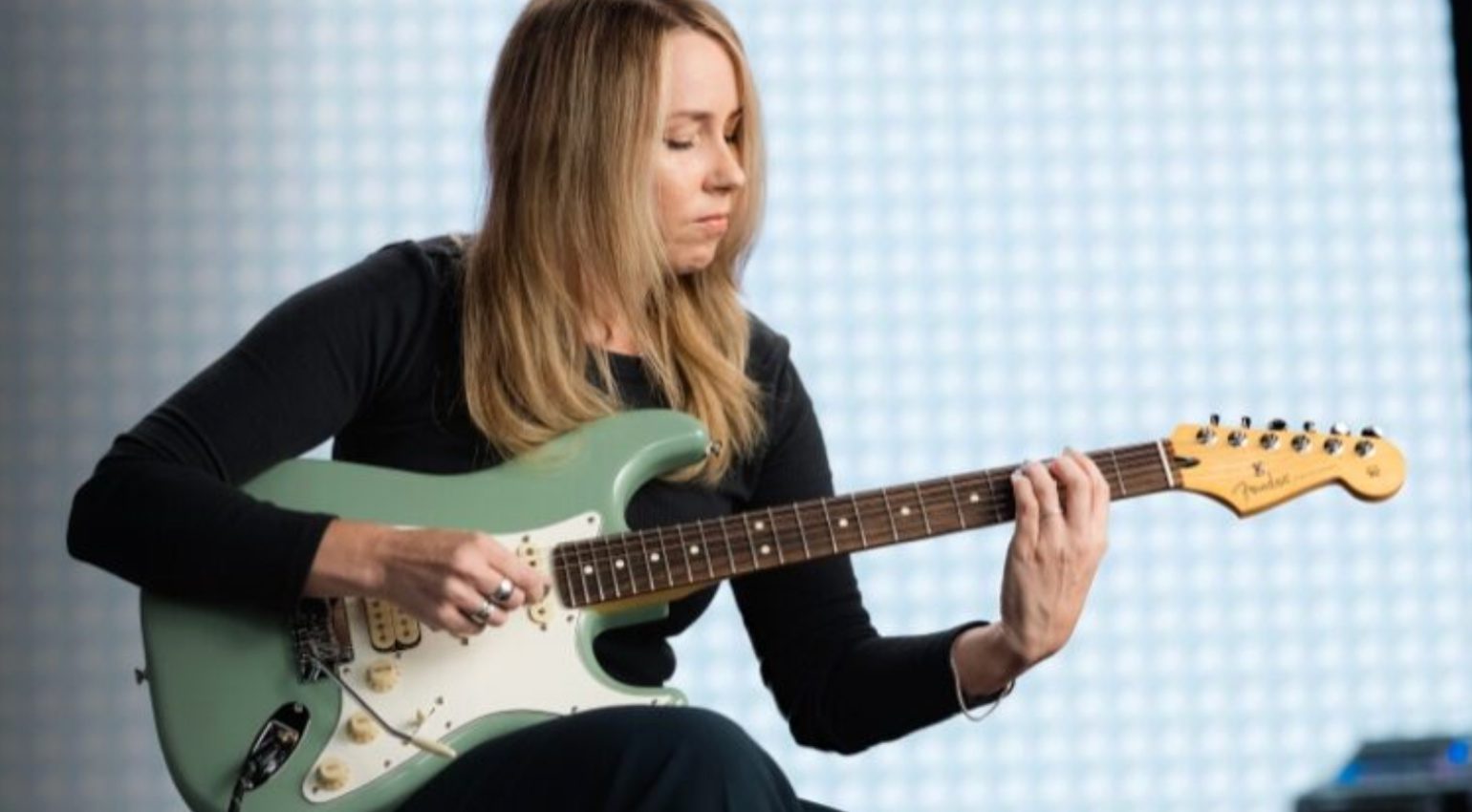
Just as important is the Fender Stratocaster* / Sweetwater*. The Edge owns several, and Fender eventually gave him his own signature model.
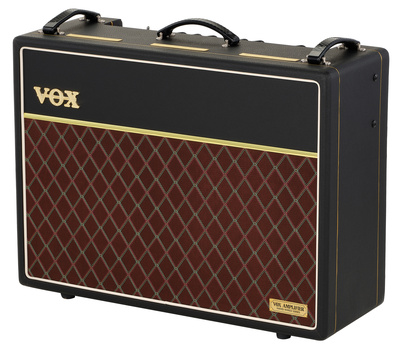
The combination of single-coils, a Vox AC30 (of course) / Sweetwater*, and delay fits his concept perfectly. Individual notes stay transparent, and even multiple repeats don’t instantly blur into one big wall of sound.
Anyone chasing his tone with standard gear will likely find a Strat one of the easiest starting points.




Fender Telecaster: Even More Direct and Wiry
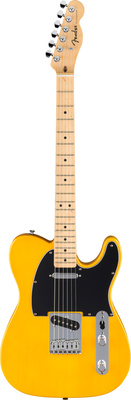
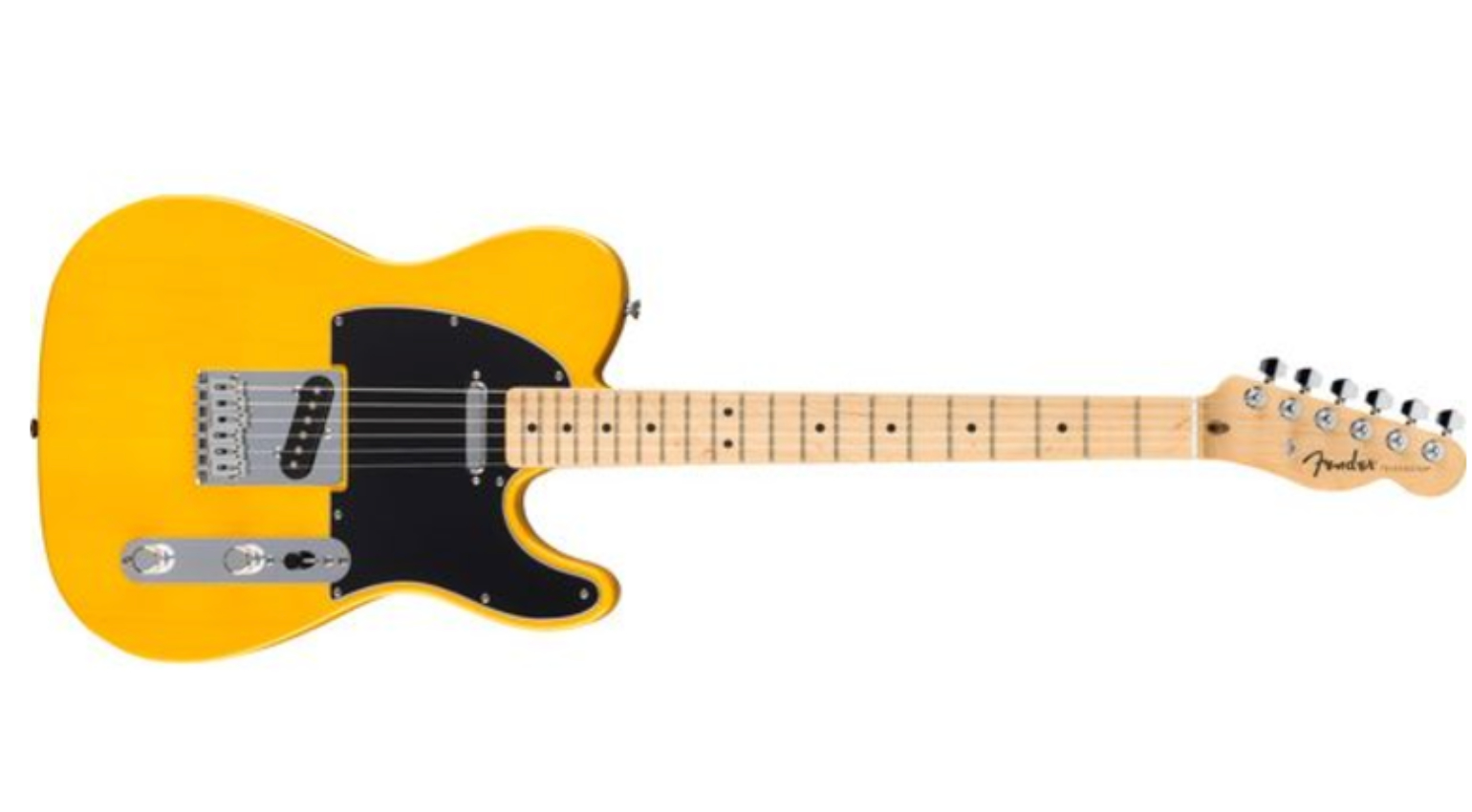
The Fender Telecaster* / Sweetwater* shows up again and again in his arsenal too. Its direct, wiry core tone works great for rhythmic parts and leaves plenty of air between individual notes and delay repeats.
The principle stays the same: instead of forcing a tone into shape with EQ and effects, The Edge often just grabs the guitar that already starts with the right character built in.
Gibson Les Paul: When Things Need More Muscle
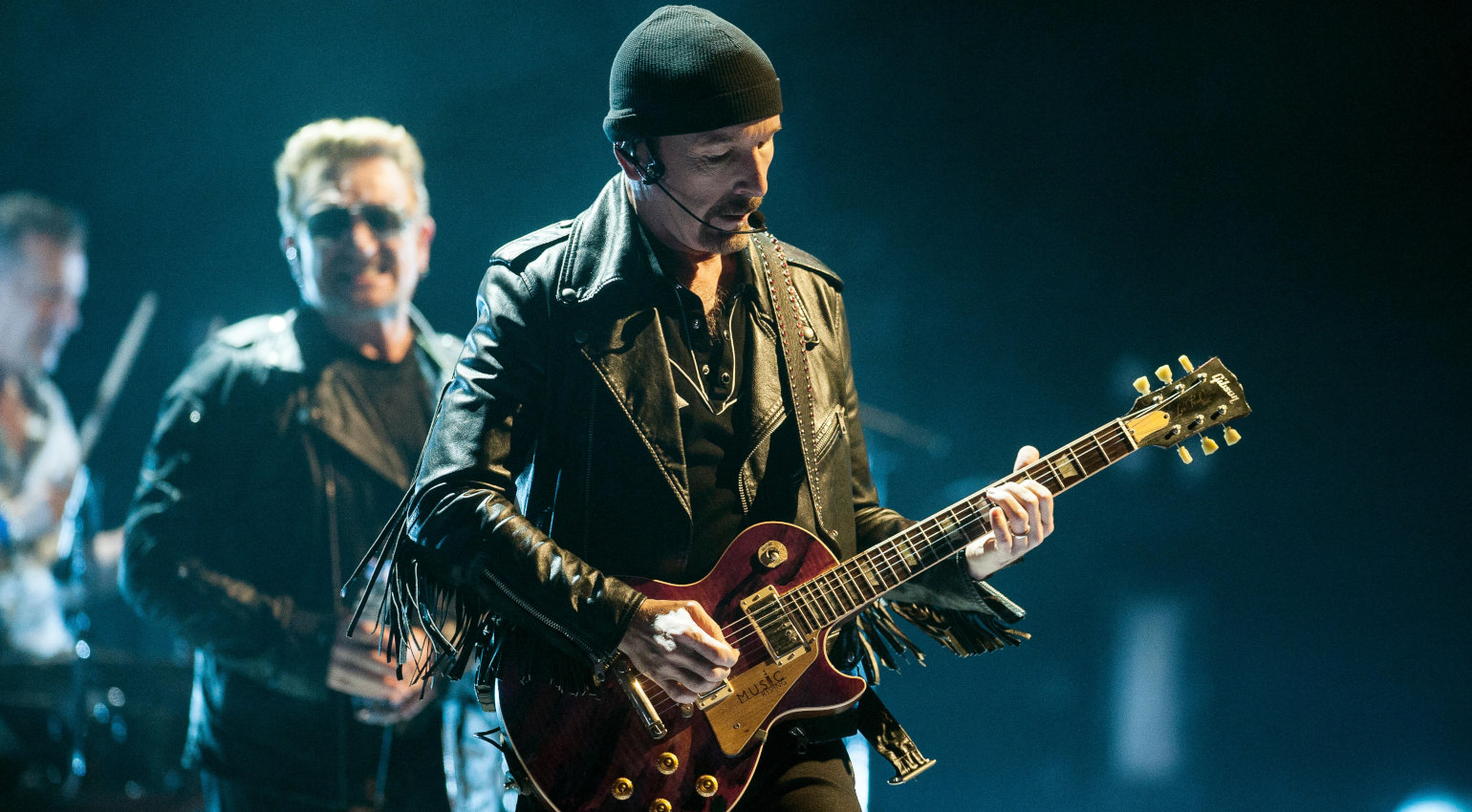
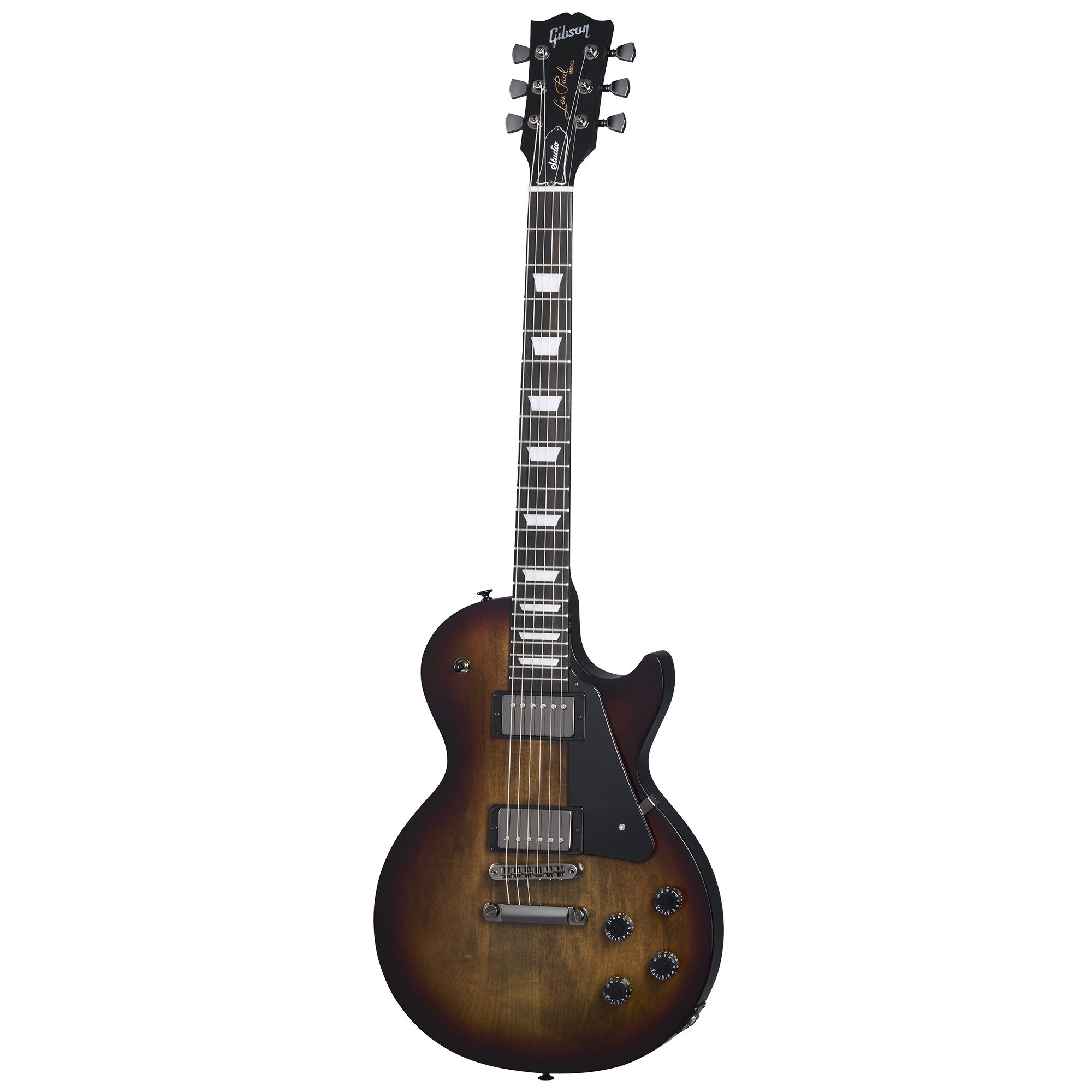
Various Gibson Les Pauls* / Sweetwater* show up too, of course. More midrange, more output, and a punchier core tone make them interesting whenever the song calls for less shimmering clean and more rock muscle.
Songs like The Fly, Elevation, or Vertigo make it pretty clear that The Edge can absolutely bring the heat when he wants to.

Rickenbacker 12-String: When Six Strings Aren’t Enough
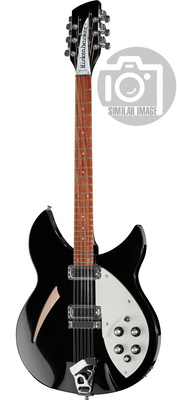
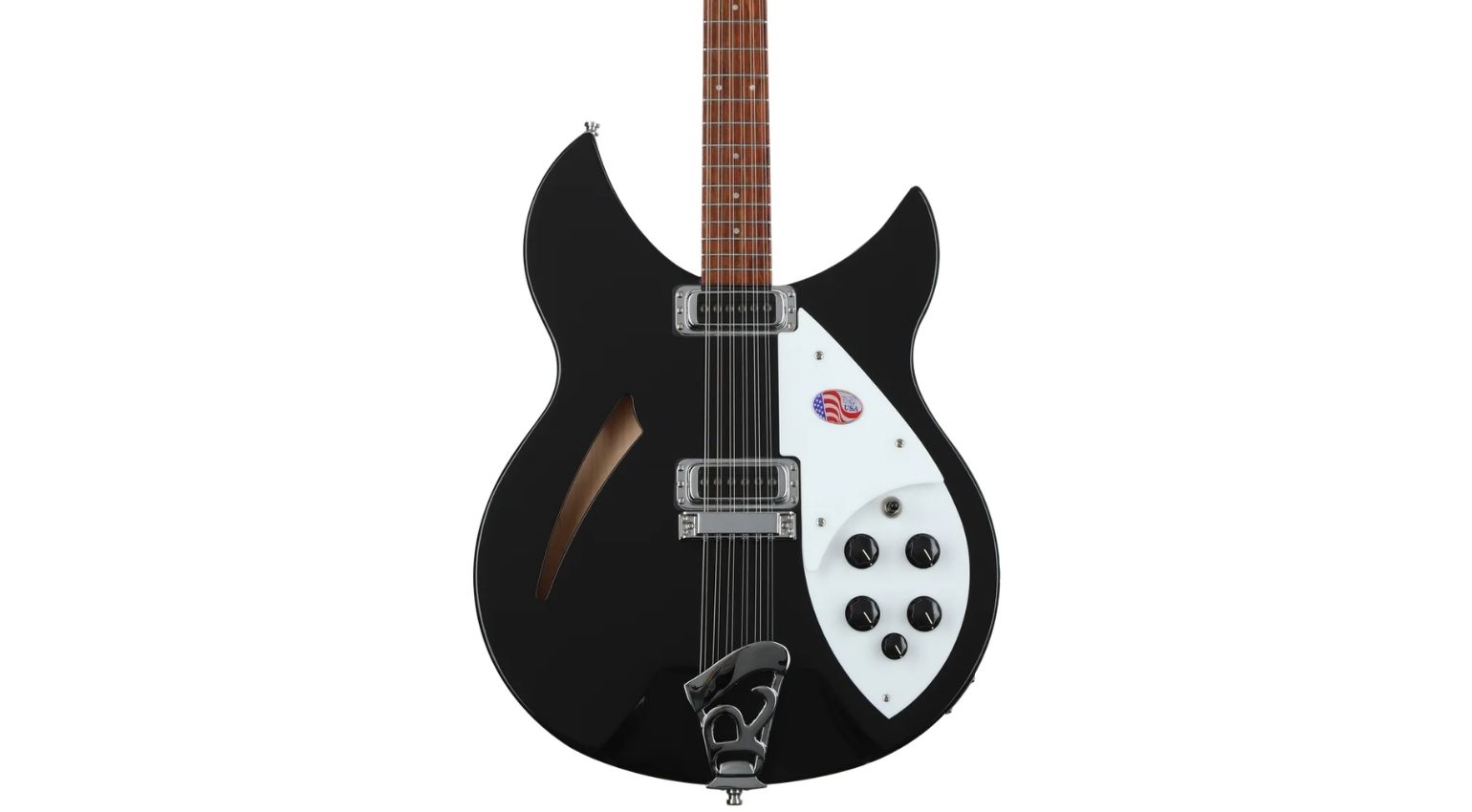
For especially wide clean tones, a 12-string Rickenbacker* / Sweetwater* comes into play too. The extra octave and unison strings create a complex texture on their own, before you’ve even added delay and modulation.
A 12-string is obviously a pretty specialized tool. In an arsenal like this though, it makes complete sense. And honestly, owning at least three or four of them would basically be a public service, wouldn’t it?
Epiphone Casino: Hollowbody Instead of High-Gain
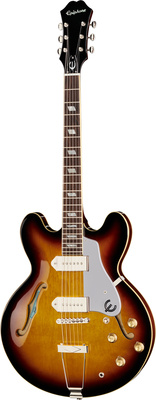
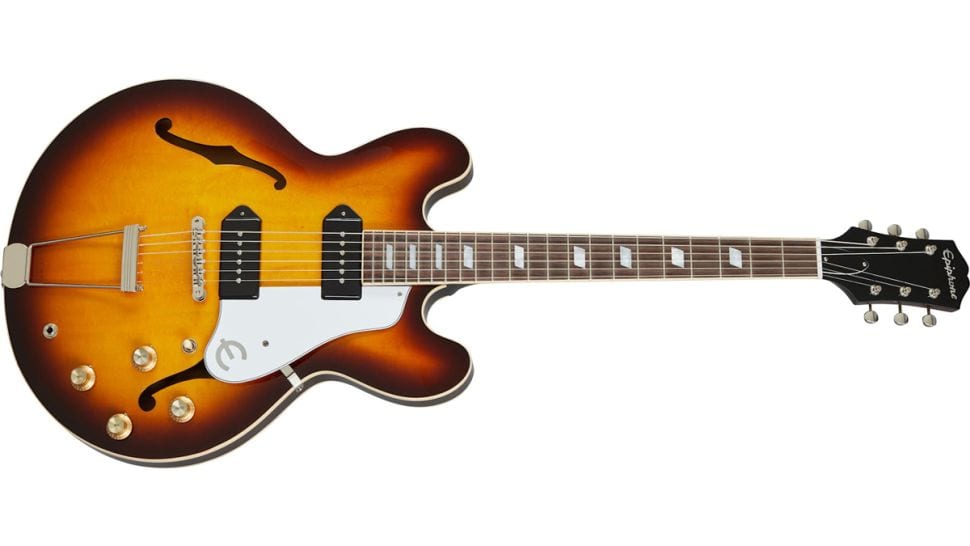
Another color comes from the Epiphone Casino* / Sweetwater*. Fully hollow body, P90 pickups, yet another completely different starting point compared to the Explorer or the Strat.
And slowly, the system behind all this becomes clear: it’s not about owning twenty variations of the same guitar. Different constructions and pickups just give him different raw materials to build sounds from.
For us gear nerds, this is obviously a wonderfully convenient justification for needing yet another guitar. Or two. Gear junkie? Absolutely. At least there’s a system behind it, though.

Vox AC30: The Constant in the Engine Room
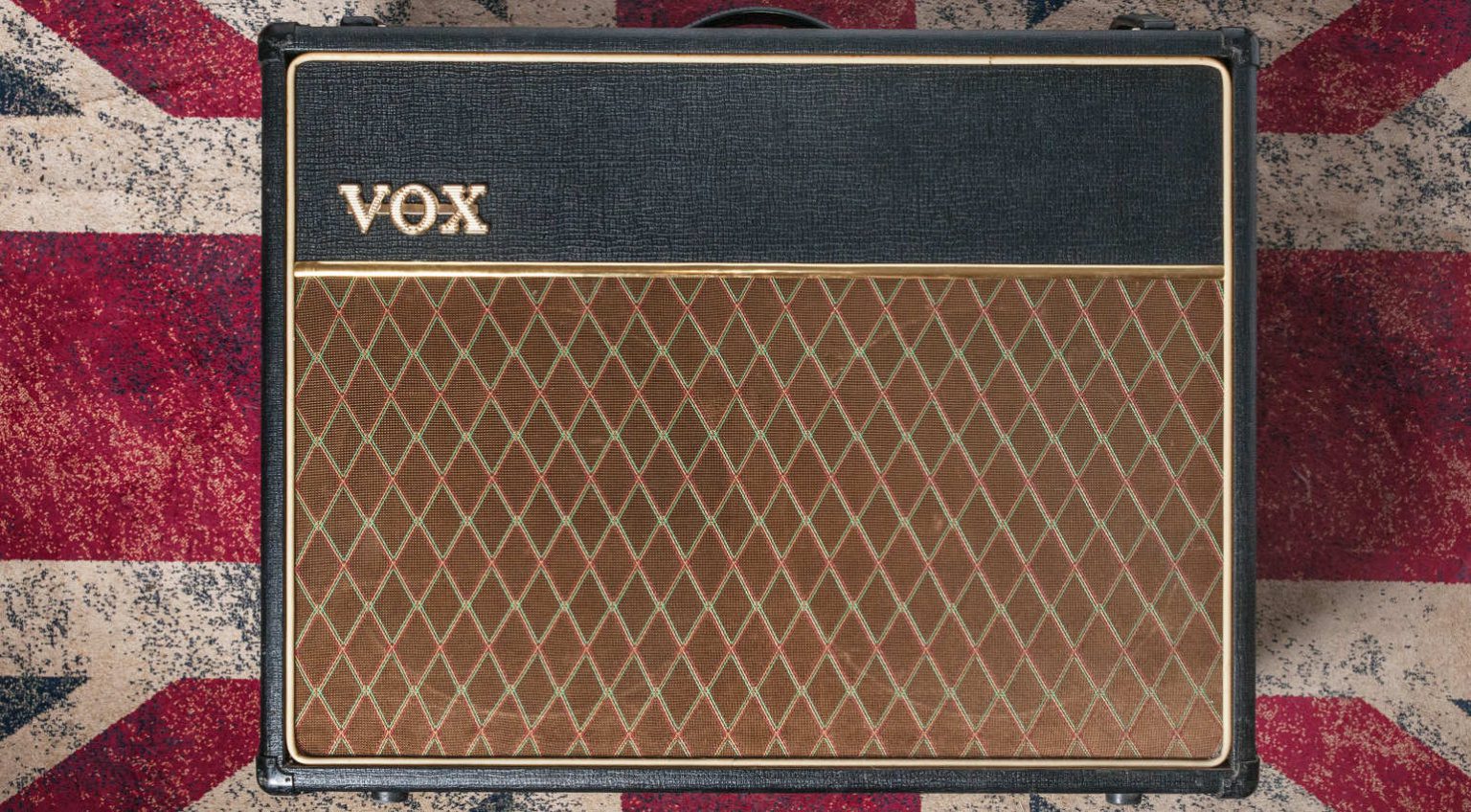
Despite all this complexity, the foundation of many Edge tones is surprisingly traditional. The Vox AC30 has been with him since U2’s earliest years and remained a key constant even in later tour rigs.
Makes sense. An AC30 sounds brilliant and open, responds dynamically to pick attack, and carries enough character of its own without immediately burying the tone in distortion. That makes it an excellent platform for delay and modulation to sit on top of.
Naturally, it didn’t stop at one amp. Over the years, various Fender and Mesa Boogie amps joined the rig too. Still, the AC30 remains something like the common denominator running through many classic Edge tones.
Underneath all that technical complexity sits a pretty classic tube combo, of all things.
Memory Man and Korg SDD 3000: Delay as an Instrument
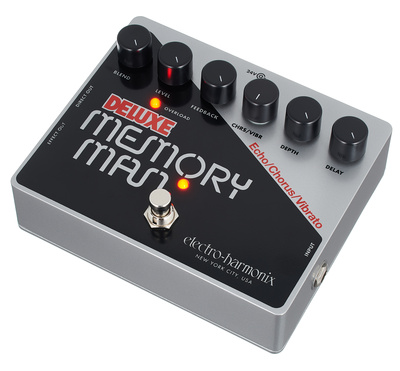
In the early years, the Electro Harmonix Deluxe Memory Man* / Sweetwater* was central to his sound. This analog delay didn’t just produce repeats, its preamp and modulation gave it a distinct character all its own.
Later on, The Edge switched over to the Korg SDD 3000 among other units. By the mid-1980s, he was already running two of these digital rack delays. Beyond the actual echo, the unit’s input stage itself became a meaningful part of his tone too.
This shows just how deep The Edge dives into his gear. A delay unit, to him, isn’t simply a box that spits a note back out a moment later. Preamp, modulation, tonal color, and rhythm all become part of the guitar part itself.
The famous dotted-eighth delay setup is actually pretty simple at its core. The repeats get timed to land between the notes he’s actually playing. You can hear this especially clearly on Where the Streets Have No Name. Played and repeated notes lock together and create a pattern that sounds far more complex than what his picking hand is literally doing.
Just setting any old delay to dotted eighths isn’t enough though. Timing, attack, and space all have to work in sync with the effect.
The Edge doesn’t play guitar first and then flip on a delay. He plays guitar and delay at the same time.


From Pedalboard to Spaceship
By the time we get to his later live rigs, we’ve completely left the manageable world of guitar, delay, and AC30 behind.
For many years, The Edge worked closely with rig specialist Bob Bradshaw. Big chunks of his equipment moved into racks and got controlled through programmable switching systems. For The Edge, this is basically a necessity, since delay times, effects, and amp combinations need to be reliably recallable for every single song.
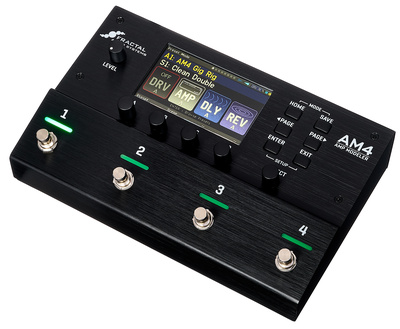
The documented 2018 tour rig ran three Fractal Audio Axe FX II XL* units in the racks alone. Alongside those sat a Korg SDD 3000, various Boss pedals, a Tube Screamer, Line 6 gear, and more. Two Bradshaw RS40 controllers ran the whole system, one for The Edge, one for Dallas Schoo.
The pedalboard, at this point, is really just the remote control for a genuinely massive apparatus.

Whammy, Overdrive, and Infinite Guitar
Reducing The Edge to just his delay setup misses a huge chunk of his sound anyway. His rigs have carried pitch effects, overdrives, compressors, modulation, and wah tones for decades.
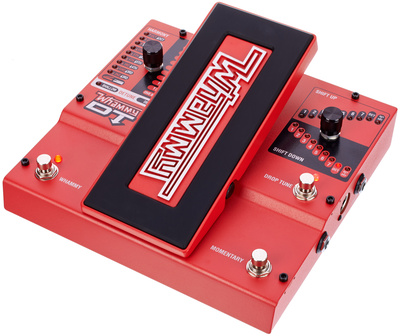
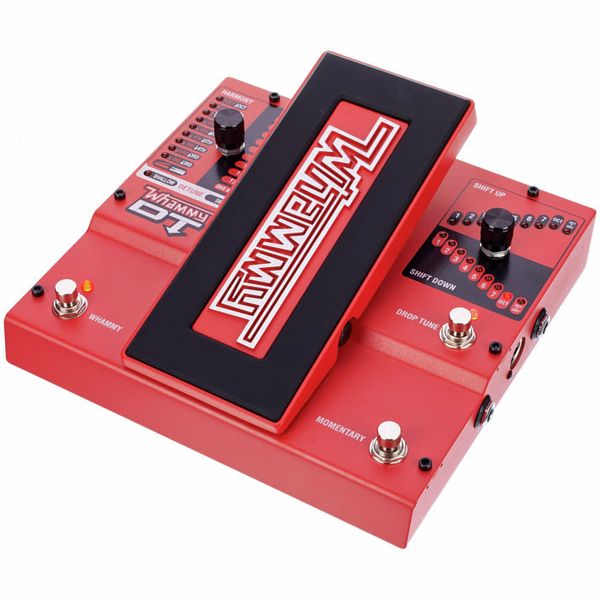
Particularly interesting is how he handles the DigiTech Whammy* / Sweetwater*. Pitch shifting doesn’t just become a tool for wild solos, it becomes part of the actual arrangement. The same goes for overdrive: a Tube Screamer, a Boss SD-1, and other drive pedals prove his sound is far from always clean and shimmering.
Maybe the best example of his willingness to experiment, though, is With or Without You.
Canadian guitarist and producer Michael Brook developed the so-called Infinite Guitar in the mid-1980s. An electronic feedback loop continuously excites the strings, allowing notes to sustain for extremely long stretches. Brian Eno pointed The Edge toward the design, and Brook eventually modified a Stratocaster for him.
Those sustained, floating notes became one of the signature sounds of With or Without You. It’s about as classic Edge as it gets: an unusual piece of technology shows up in the studio and instantly becomes part of the arrangement.

Do You Actually Need All This Madness for The Edge’s Sound?
Thankfully, no. For the basic concept, a fairly clear guitar, a dynamic clean-to-crunch tone, and a good delay with tap tempo will get you there. A Strat or Tele in front of an AC30-style amp is a solid starting point.
What matters far more is your own playing. The delay repeats need to be part of your thinking while you’re actually playing, not added on afterward.
Try setting a delay to dotted eighths, dial in just a few repeats, and play a simple eighth-note figure. Once the echoes start landing between your picked notes, a simple pattern suddenly turns into a much bigger rhythmic structure.
And suddenly, you start understanding why The Edge built this massive arsenal over the decades in the first place.
The Edge and the Question of What Actually Makes a Great Guitarist
This always brings me back to Angus Young. What I love about Angus is the directness: SG, Marshall, cable, done. With Tony Iommi, it’s the riffs and that massive sound built from surprisingly few ingredients. Slash tied a Les Paul and Marshall so tightly to his playing style that a handful of notes is all it takes to recognize him.
The Edge takes the opposite route entirely. For him, the instrument doesn’t end at the guitar’s output jack. Delay, amplifier, pitch shifter, modulation, and switching all become part of his musical language. Honestly, what a refreshing detour into nerdy tech territory, and a welcome change of pace from all the tube purists out there.
Originally written by Jan Rotring for GEARNEWS.de, translated and adapted for GEARNEWS.com.
*Note: This article about “The Gear of The Edge” contains affiliate links that help us keep Gearnews running. The price for you always stays the same! If you buy something through these links, we receive a small commission. Thanks for your support!
The post The Gear of The Edge: The Greatest Guitarists of All Time appeared first on gearnews.com.