Recording vocals at home can be challenging, no matter what style of music you make. To assist you, we’ve selected some of the best condenser microphones at different price points.
Key facts about Condenser Mics:
- A large-diaphragm condenser is a type of microphone that has a capsule membrane around one inch or larger, which offers a combination of a wide frequency response, high sensitivity, and a low noise floor.
- Large-diaphragm condenser microphones require phantom power for operation and are available in single-capsule (cardioid) and dual-capsule / multipattern (cardioid, omnidirectional, figure-8) options for different applications.
- The most common large-diaphragm condenser designs use different circuit types such as solid-state FET (Field-Effect Transistor), vacuum tube, and transformerless FET that have different sonic characteristics.
- Compared to dynamic and ribbon mics, large-diaphragm condensers have an extremely detailed, bright sound with fast transient response, which makes them ideal for recording vocals, acoustic guitars, and drums in stereo overhead configurations.
- Large-diaphragm condenser mics have been used extensively throughout the history of recorded music, with famous examples like the Telefunken U47 (designed by Neumann), AKG C12, and the Telefunken ELA M 251 (designed by AKG) featuring on iconic records.
In this Article:
You’ll require phantom power when using condensers, but also these mics prefer quieter, non-reflective environments. They’re also sensitive to plosives and sibilance, so pop shields and reflection filters are worth looking into.
The more you push the gain of your mic preamp, the more room ambience you’ll pick up. So keep this in mind, especially when working with a softer singing vocalist who doesn’t project their voice in a pronounced fashion.
Choosing the Best Condenser Microphones
For the purpose of recording solo vocals at home, you generally only use a cardioid pickup pattern unless you’re doing something experimental and ambient, which would likely also require the use of a more professional live room.
The mics we’ve chosen each have their own distinct characteristics, so we’ll discuss these and hopefully find something suitable for your home studio.
The Best Condenser Microphones: Audio-Technica AT2020
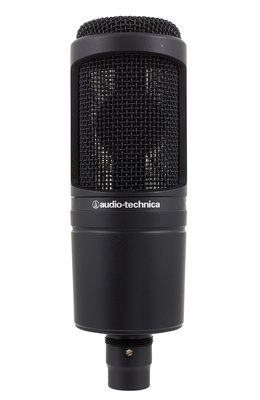
It might not suit everyone’s voice or vocal style, but the AT2020 is arguably the best $100 mic you’ll find of its kind. While technically a medium-diaphragm mic, it still captures plenty of detail and can handle high-SPL sources.
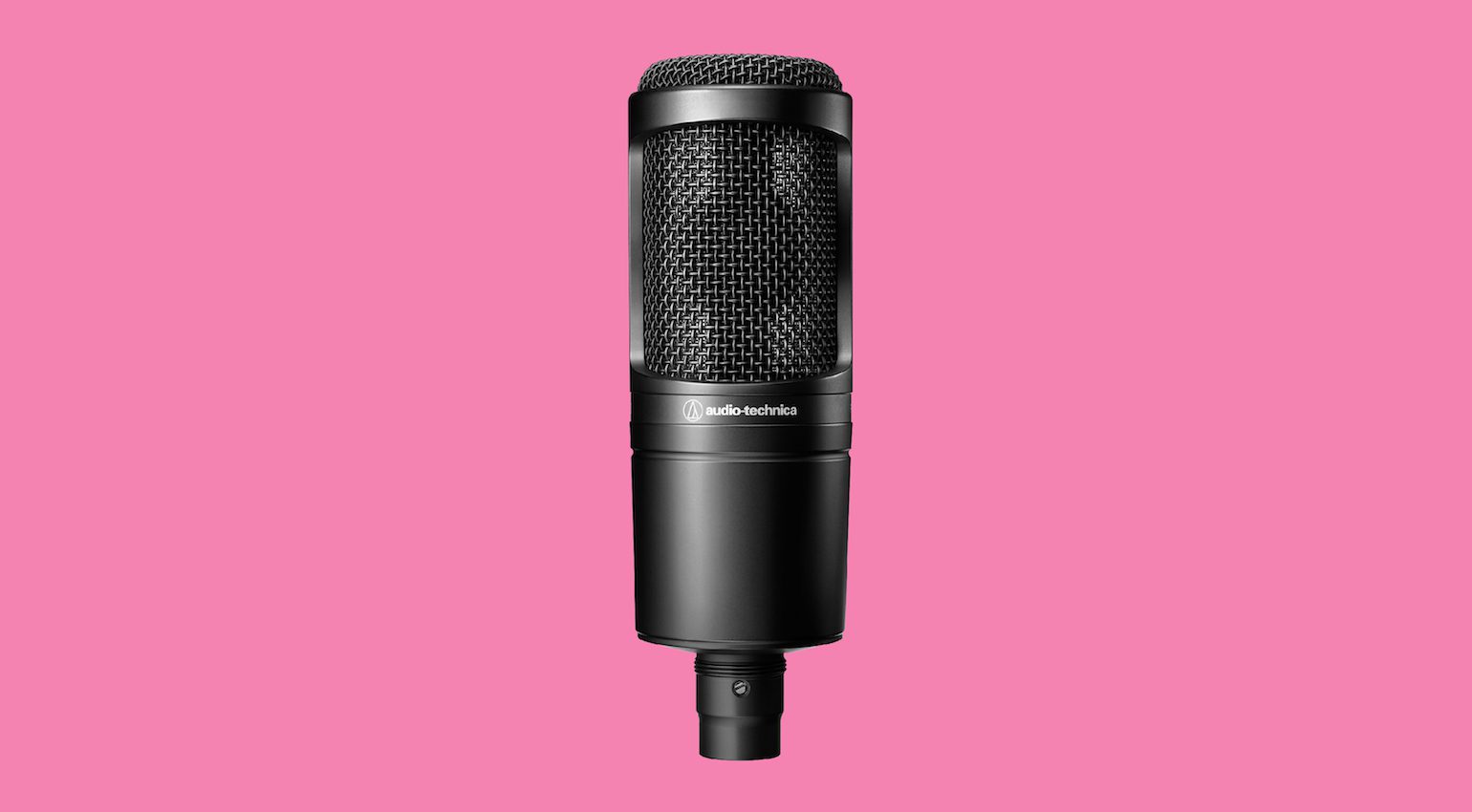
It doesn’t have low-cut or pad switches, but these aren’t features you’re looking for in an entry-level mic at this price. Meanwhile, the AT2020 is also great on instruments and amp cabinets.
Overall, it’s a great first mic for any home studio‘s mic locker that will likely still get plenty of use should you choose to upgrade in future.




The Best Condenser Microphones: Rode NT1-A
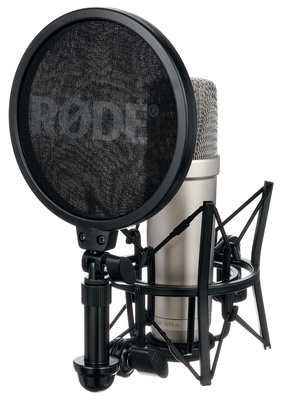
The Rode NT1-A is another tried and tested budget mic that can easily yield professional results. Provided you watch your distance, it provides excellent intelligibility, and the high-frequency detail favours plenty of modern music styles.
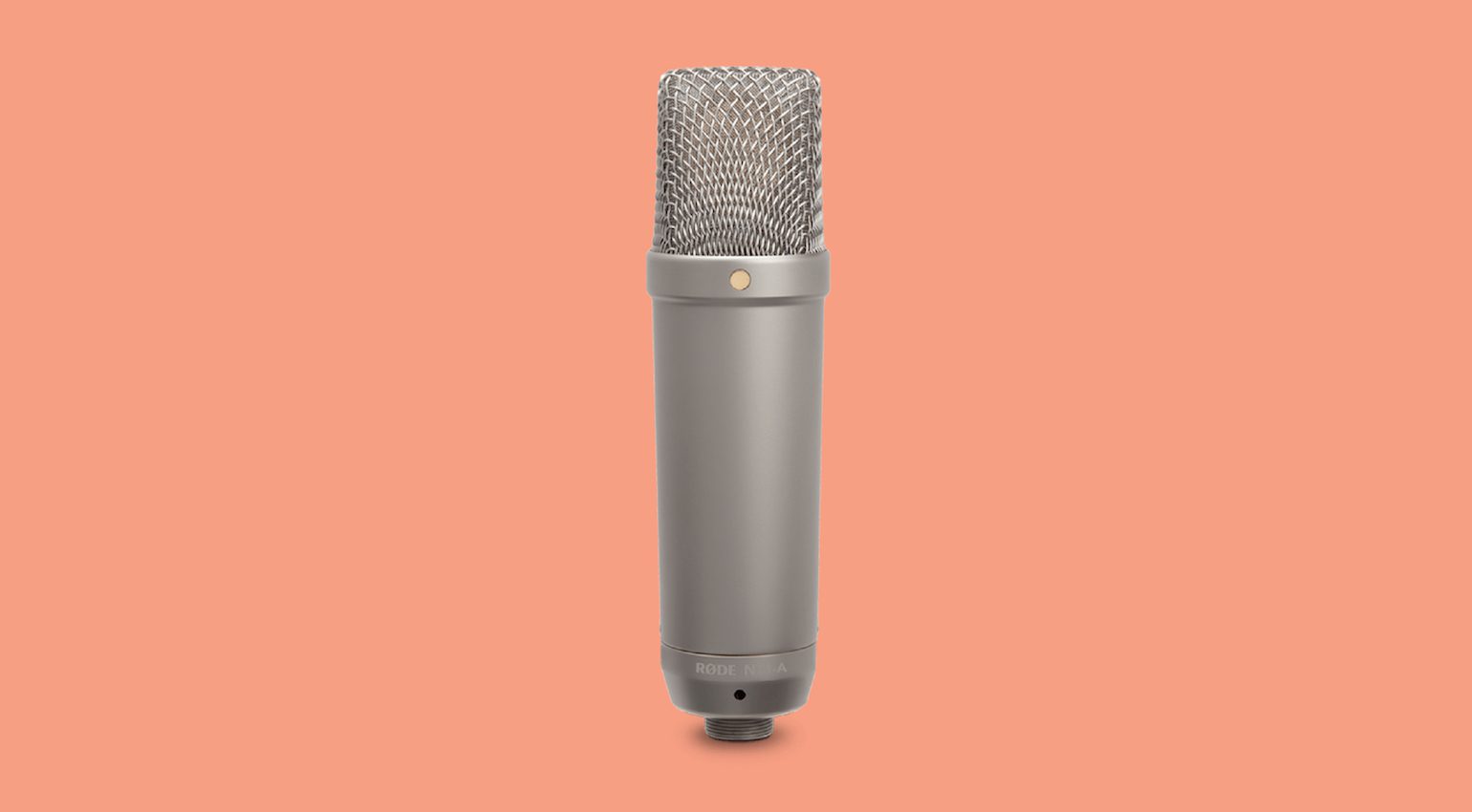
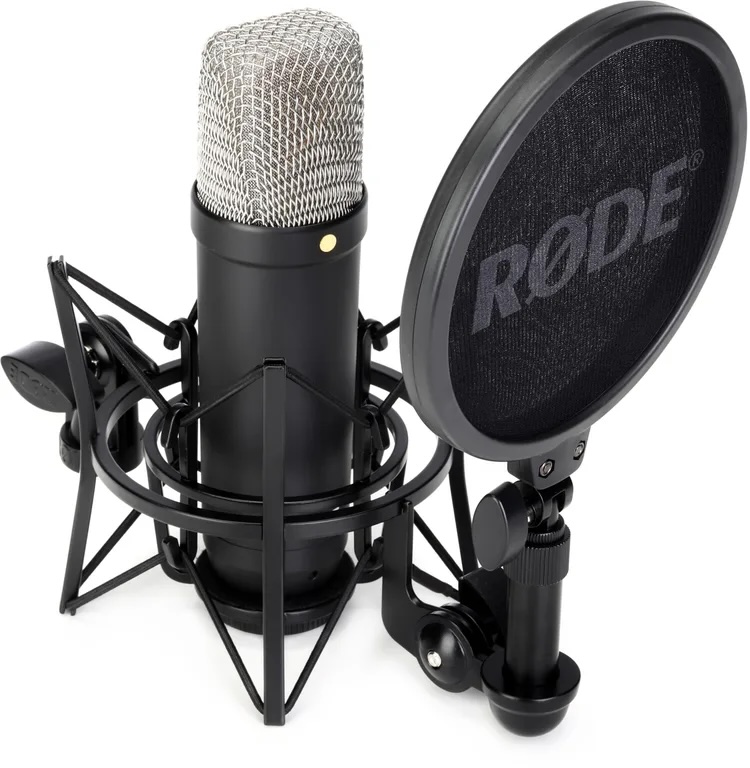
The NT1-A is prone to picking up plosives, but luckily it comes with a shock mount and pop filter to help regulate this. In addition, there is a slight peak in the 3 kHz range that will need some tweaking in post.
Nevertheless, this is still a great vocal mic that will also get decent results on acoustic guitar, or in overhead configurations.

The Best Condenser Microphones: AKG P220
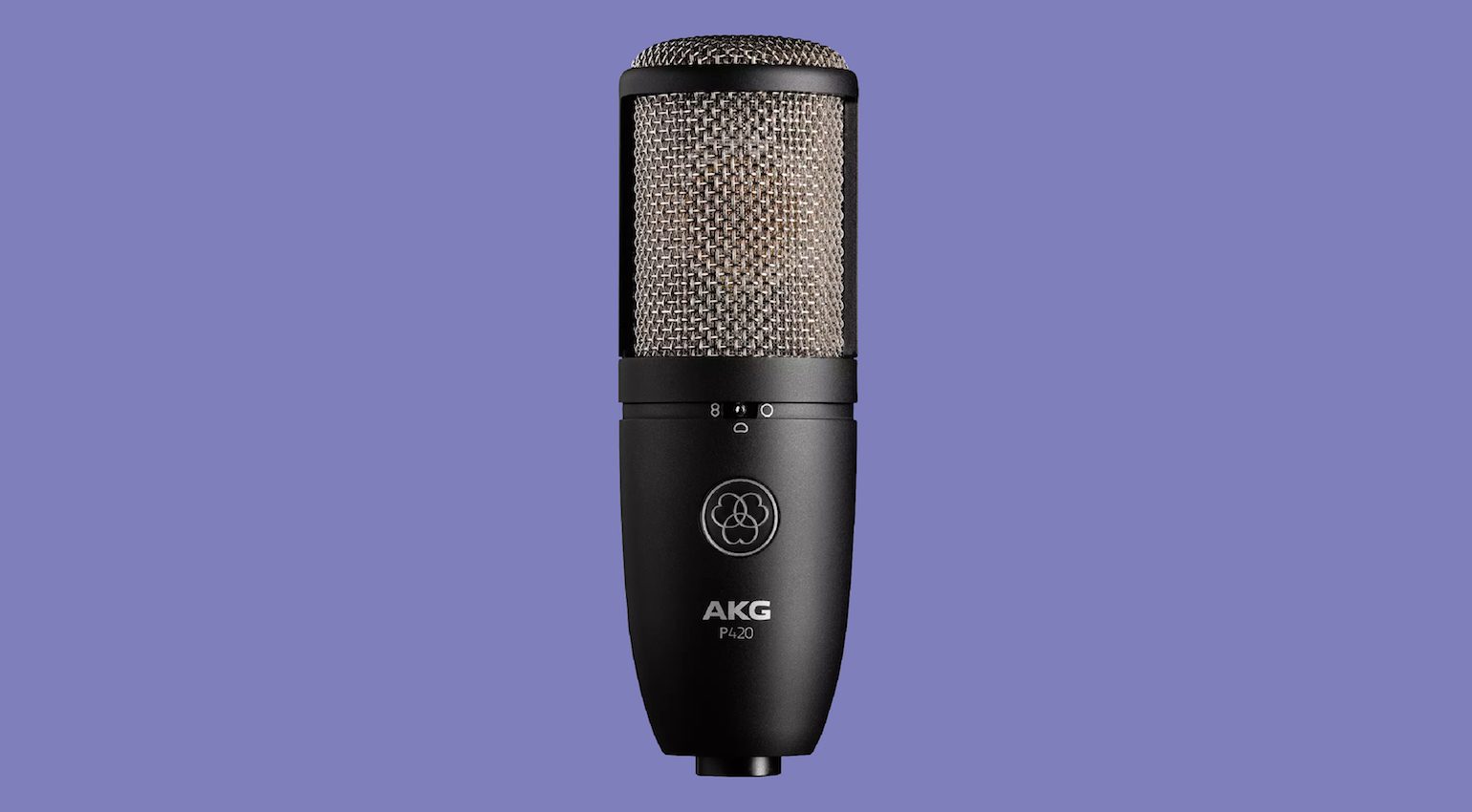
The trusted AKG Perception series condenser mics have been around for years, and the P220 is still a great value option for home vocal recording. It can handle high-SPL sources and is also equipped with a pad switch and a 300 Hz filter.
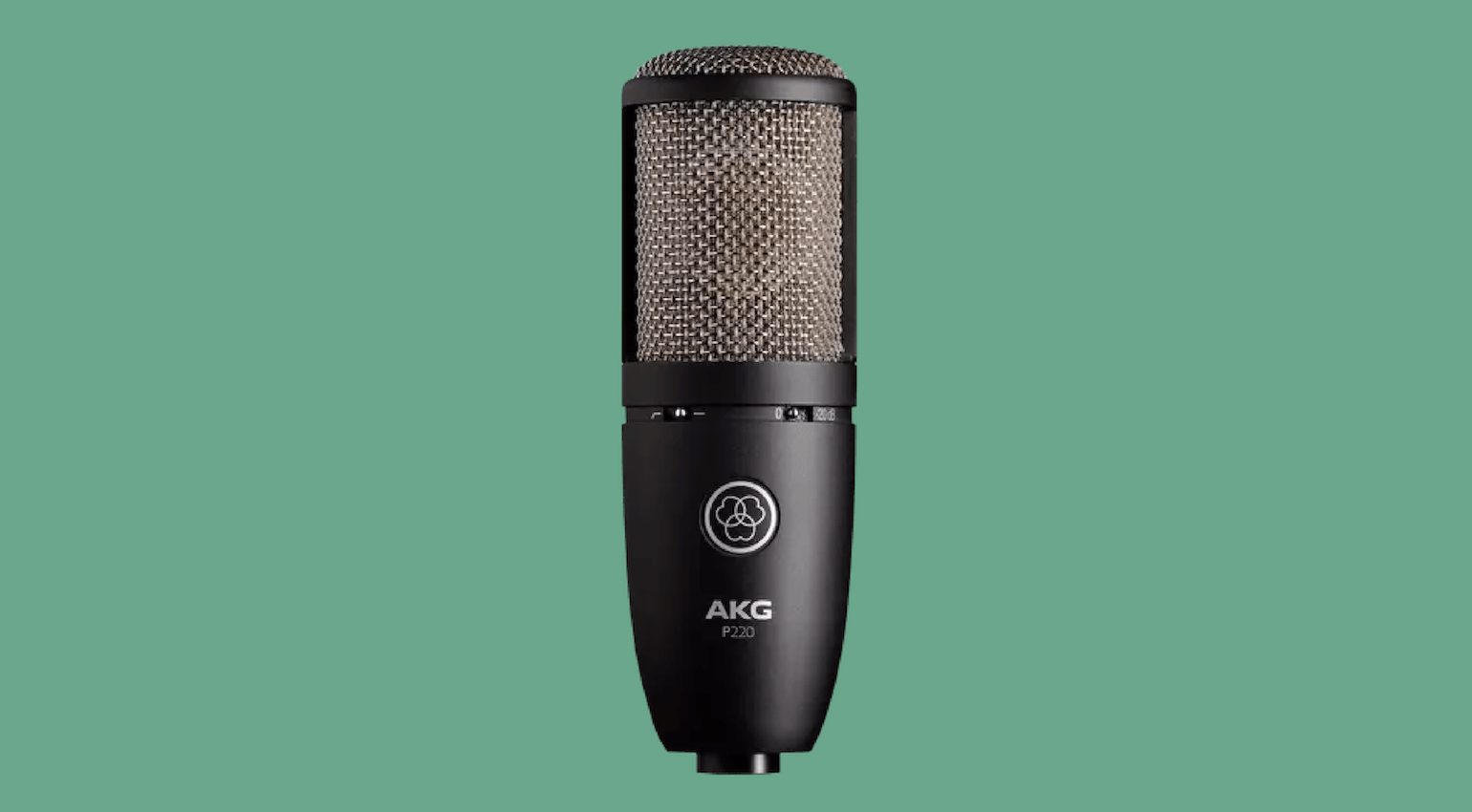
The large 1-inch diaphragm has a characteristically bright overall sound, but it still provides plenty of warmth in the lower end of the spectrum. This makes it suitable for a wider range of voices and vocal styles, which also favours beginners still developing their technique.
Overall, the P220 is a budget studio workhorse that can also work wonders on instruments and amp cabinets.

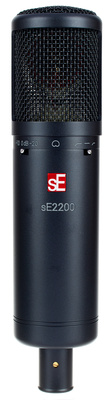
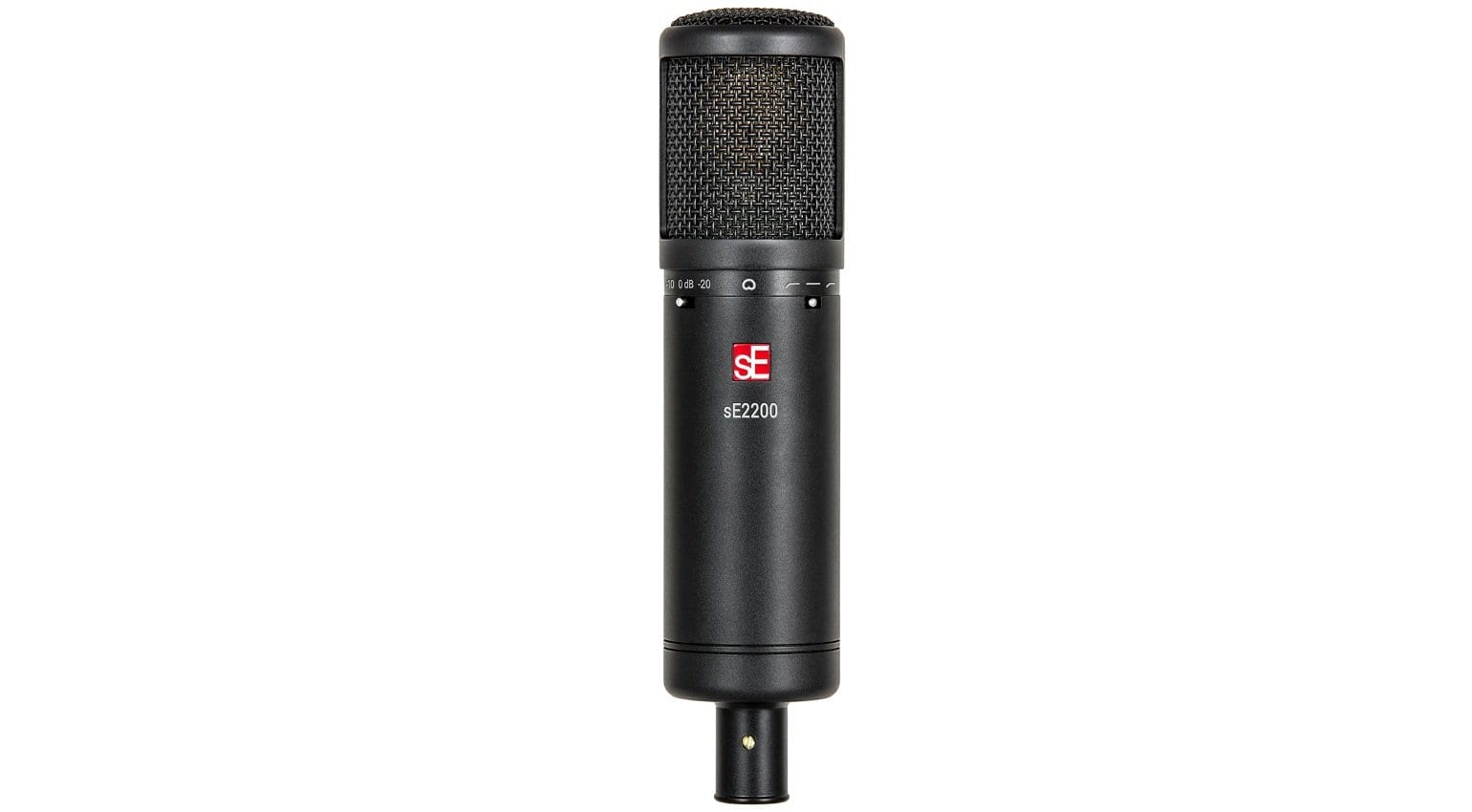
The Best Condenser Microphones: sE Electronics SE2200
The SE2200 is a clean-sounding condenser with an amazing amount of clarity and detail. In addition, it gives you more customization options with two pad settings (-10 and -20 dB) and two low-cut filter settings (80 and 160 Hz).
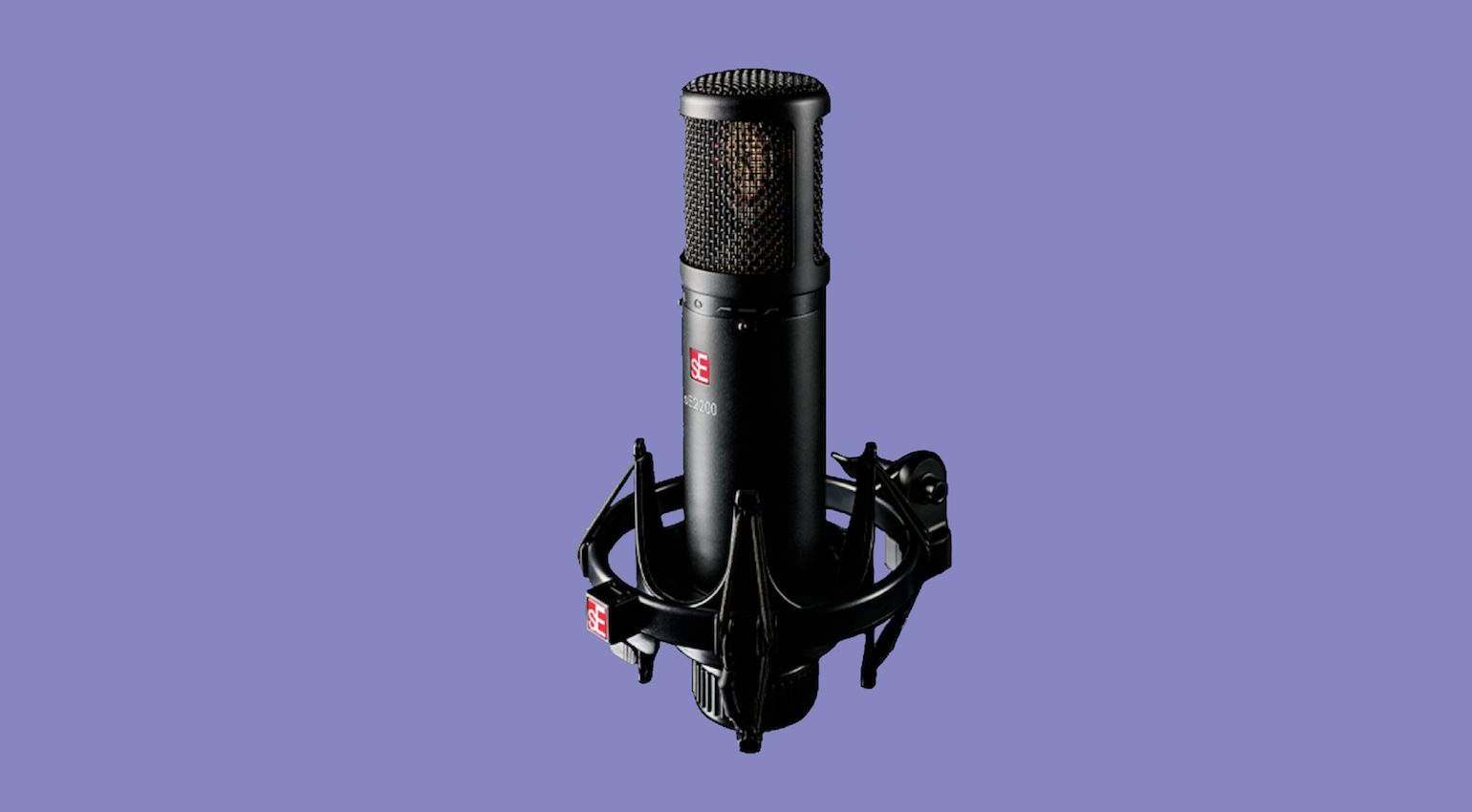
What sets it apart is that it doesn’t colour the sound or add any type of vintage vibe, so look elsewhere if that’s what you’re after. The characteristically transparent tone also makes the SE2200 suitable for different vocalists, which is useful.
Although it carries a slightly higher price tag, this is still an excellent and versatile recording tool.

The Best Condenser Microphones: Lewitt LCT Series
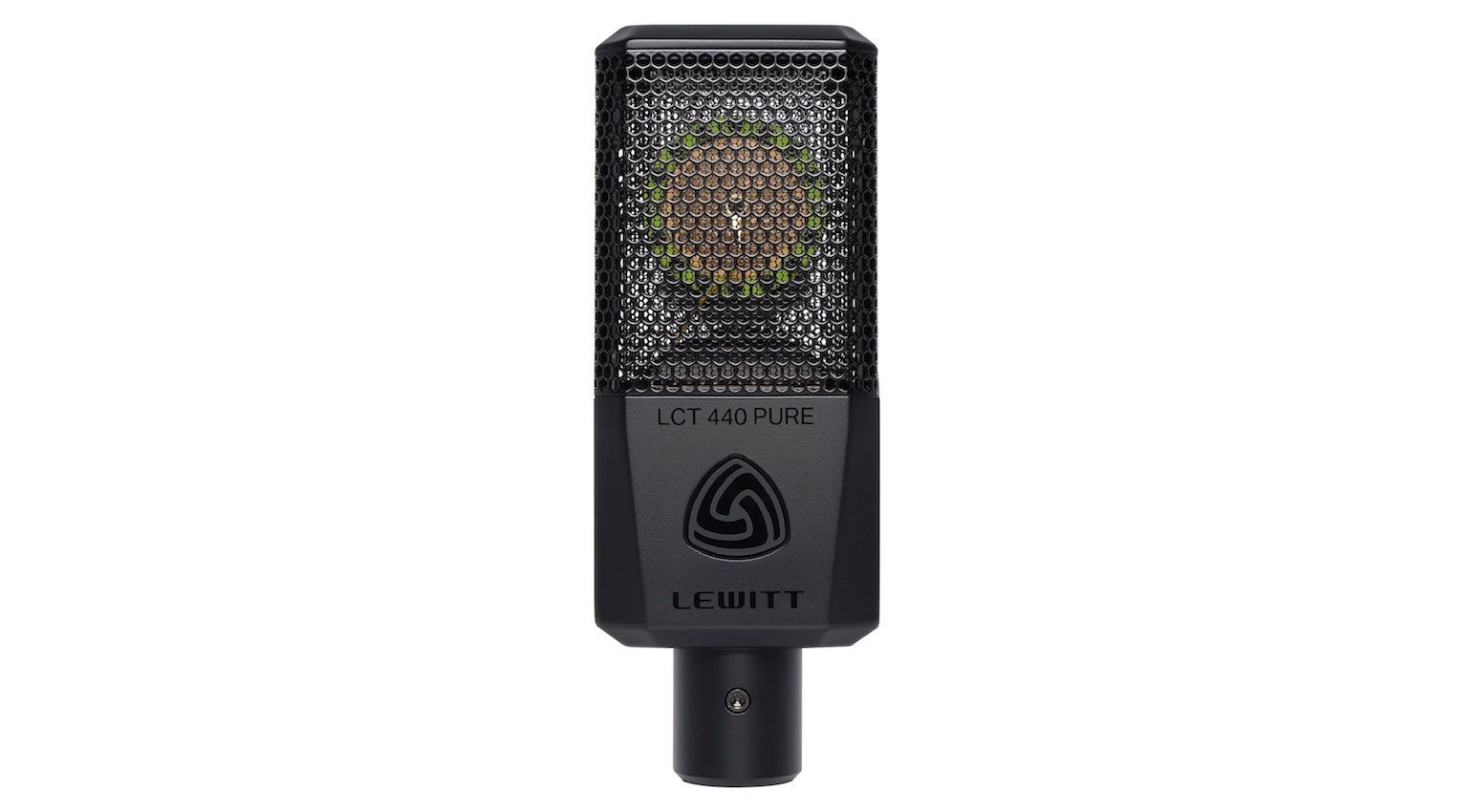
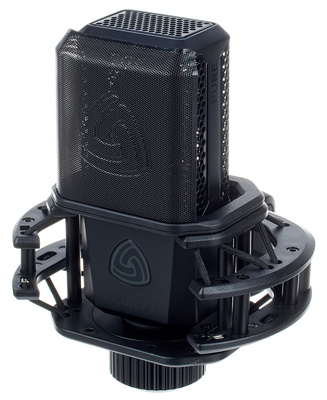
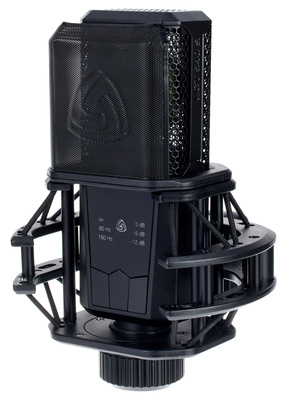
LEWITT’s popular and innovative LCT Series stretches from affordable large-diaphragm condensers for home recording and content creation to professional-grade tube condensers for studio professionals. The LCT 440 PURE has become ever-present in home studios, with the characteristic high-frequency sheen that makes it ideal for modern production.
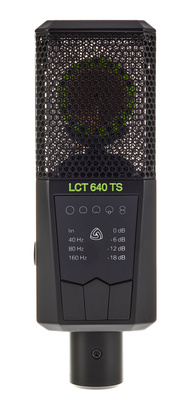
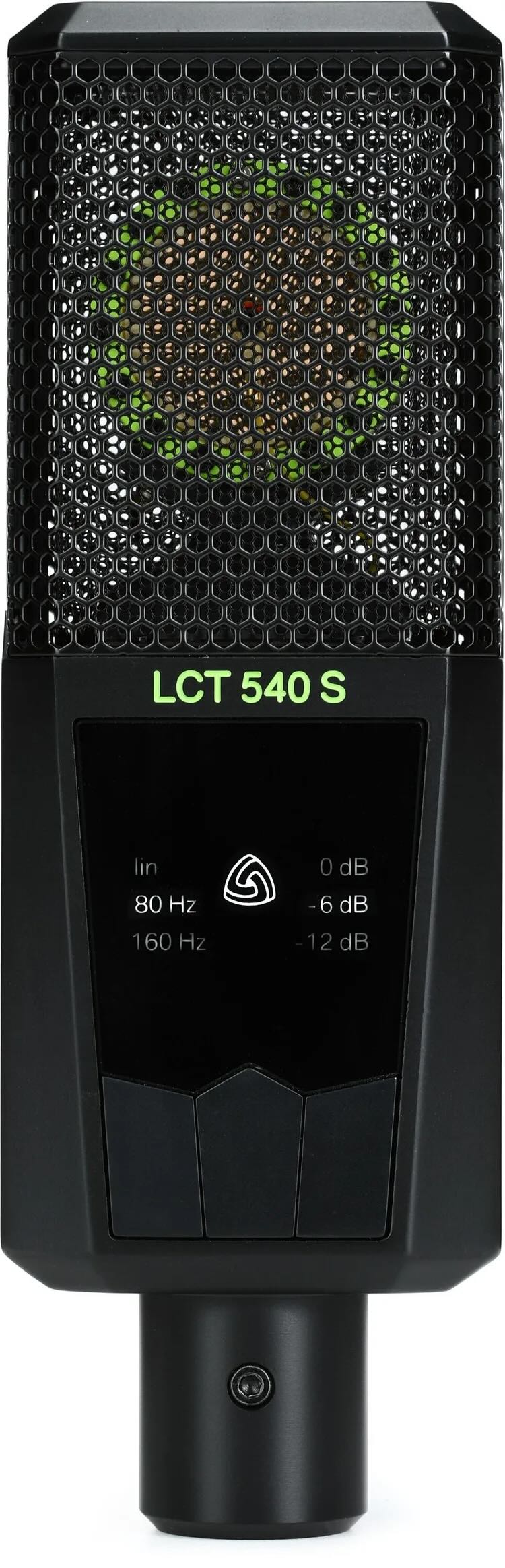
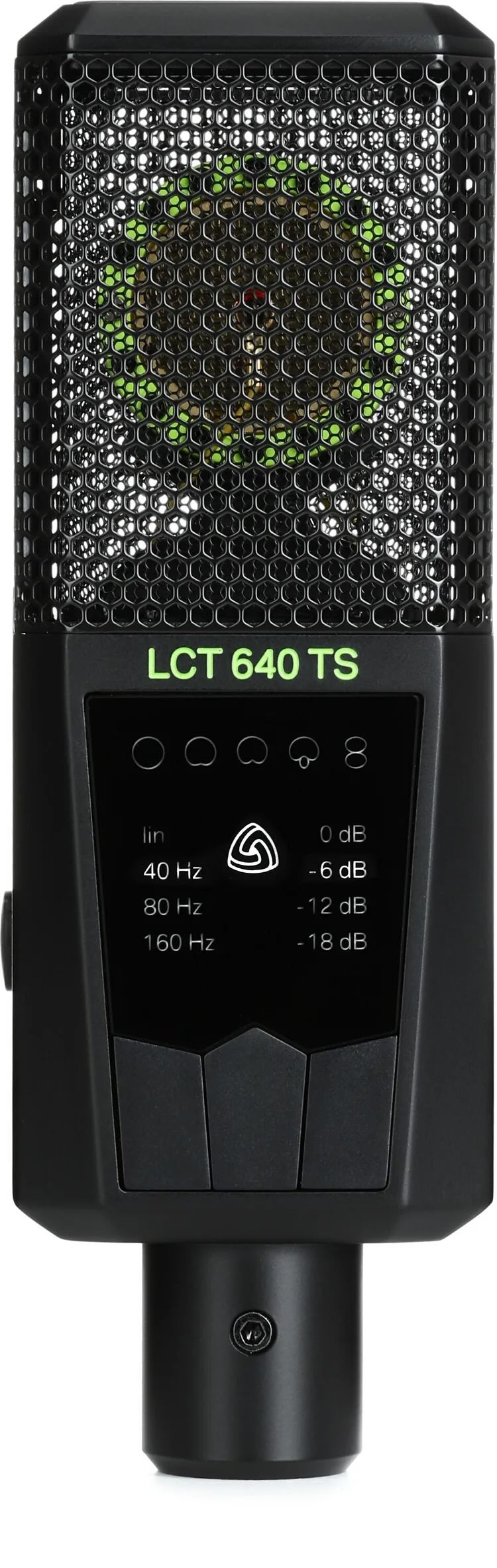
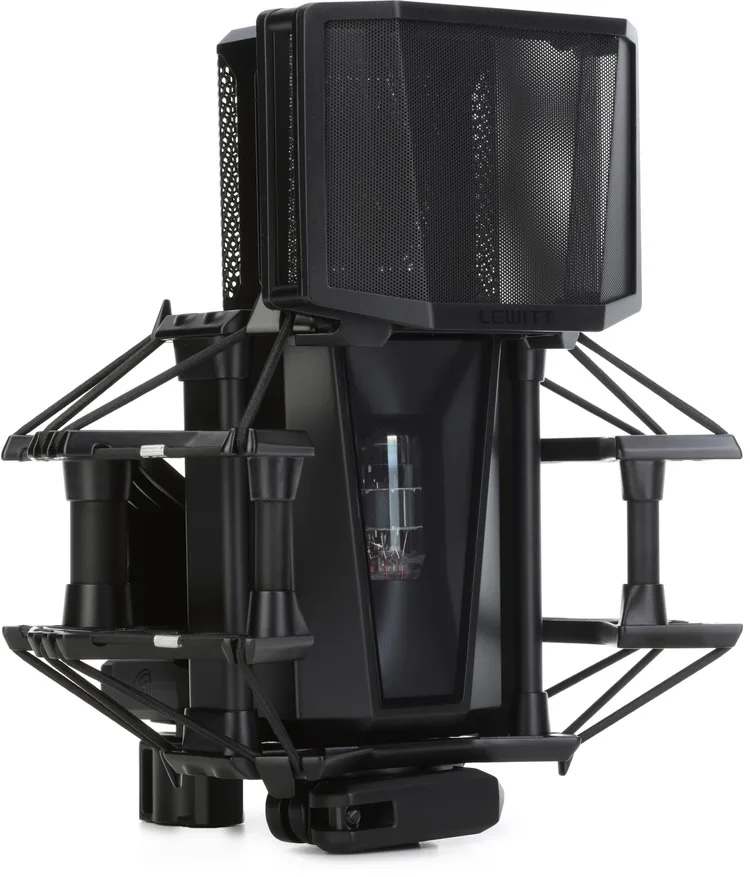
The slightly more serious side of the LEWITT range starts with the LCT 540 S, a cardioid mic with an extremely low noise floor, which is ideal if you plan on using a hefty amount of compression in the box. From here, the multipattern LCT 640 TS tops off the FET range with dual outputs that let you change the polar pattern in post with the help of the POLARIZER plugin.
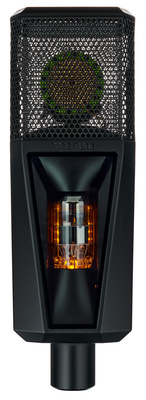
For those looking for the warm, delicate sound that tube condensers bring, without all the modern bells and whistles in the rest of the LCT range, the PURE TUBE is an exceptional vocal mic. Meanwhile, the LCT 940 and 1040 use hybrid FET tube systems, providing amazing tonal flexibility for a range of different music styles.

The Best Condenser Microphones: Austrian Audio OC Series
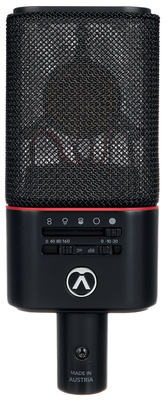
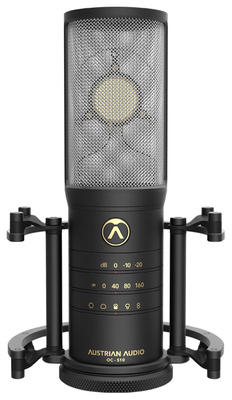
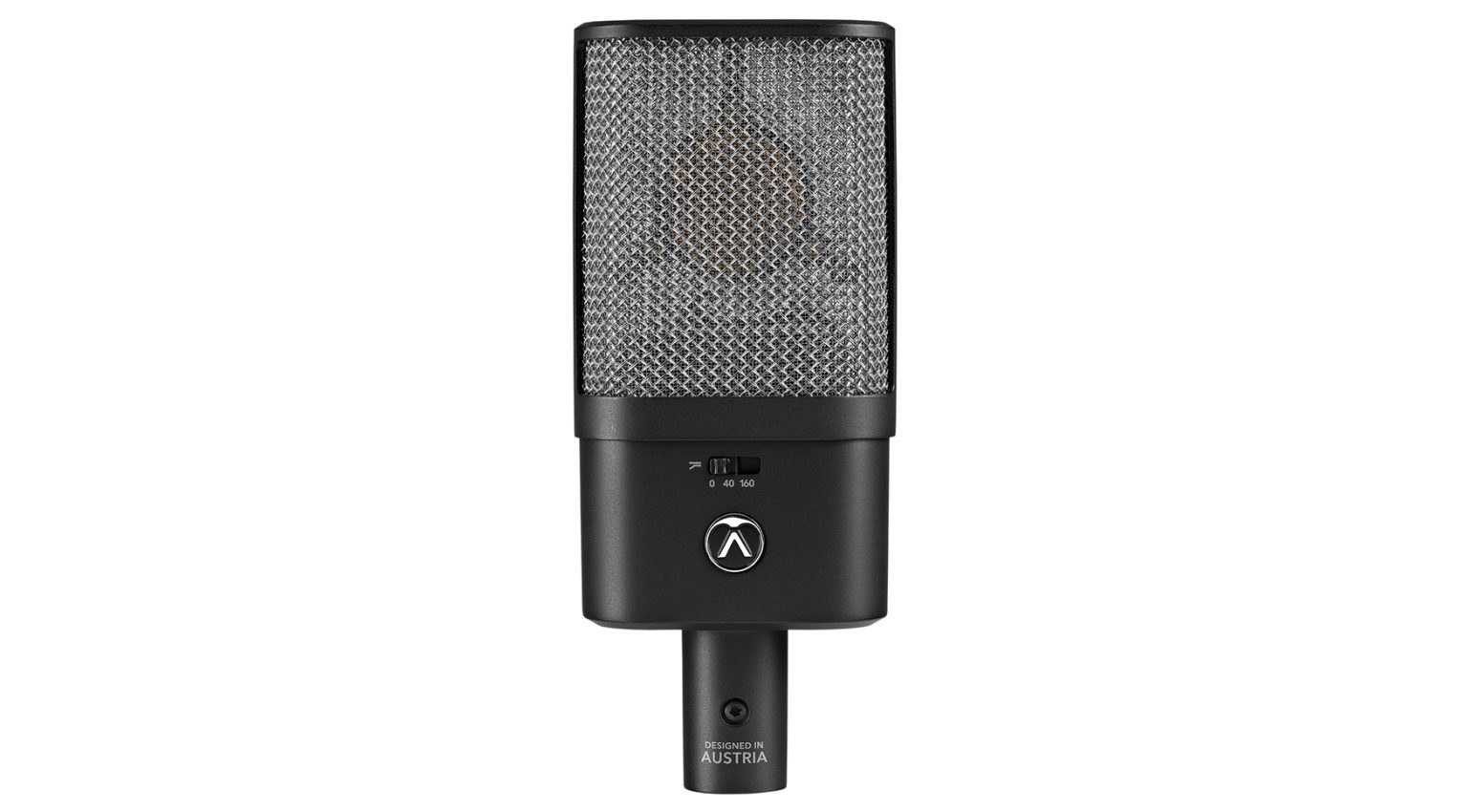
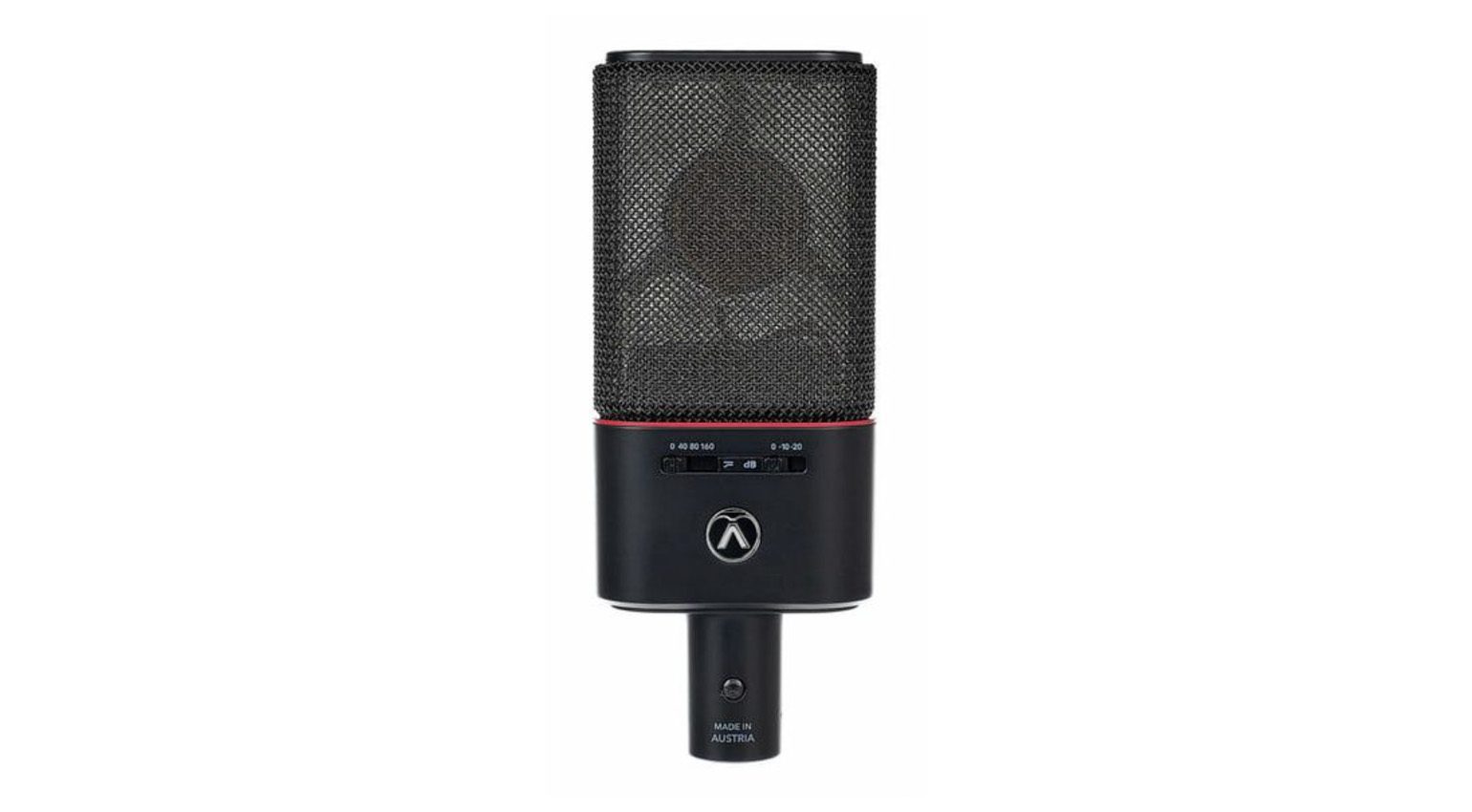
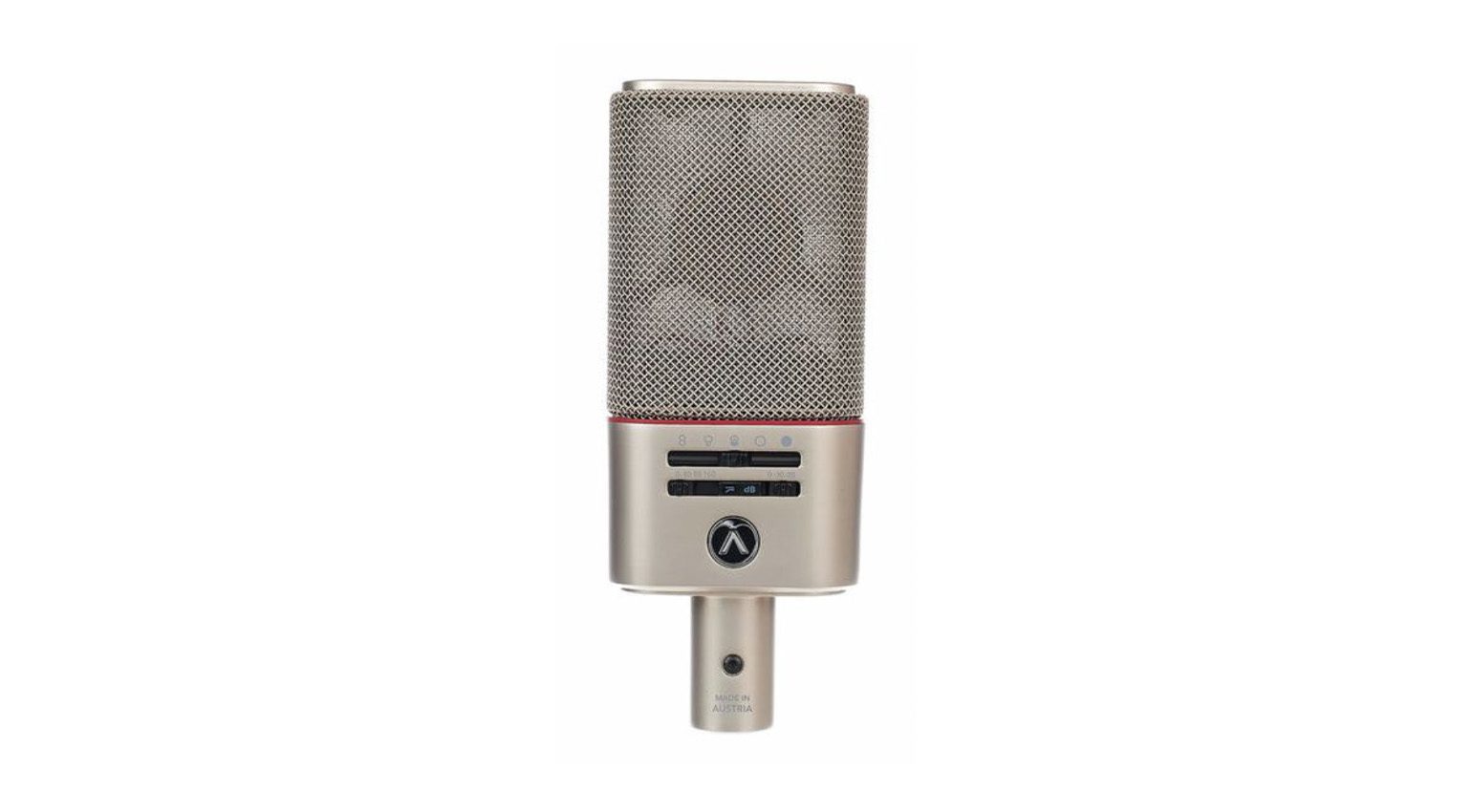
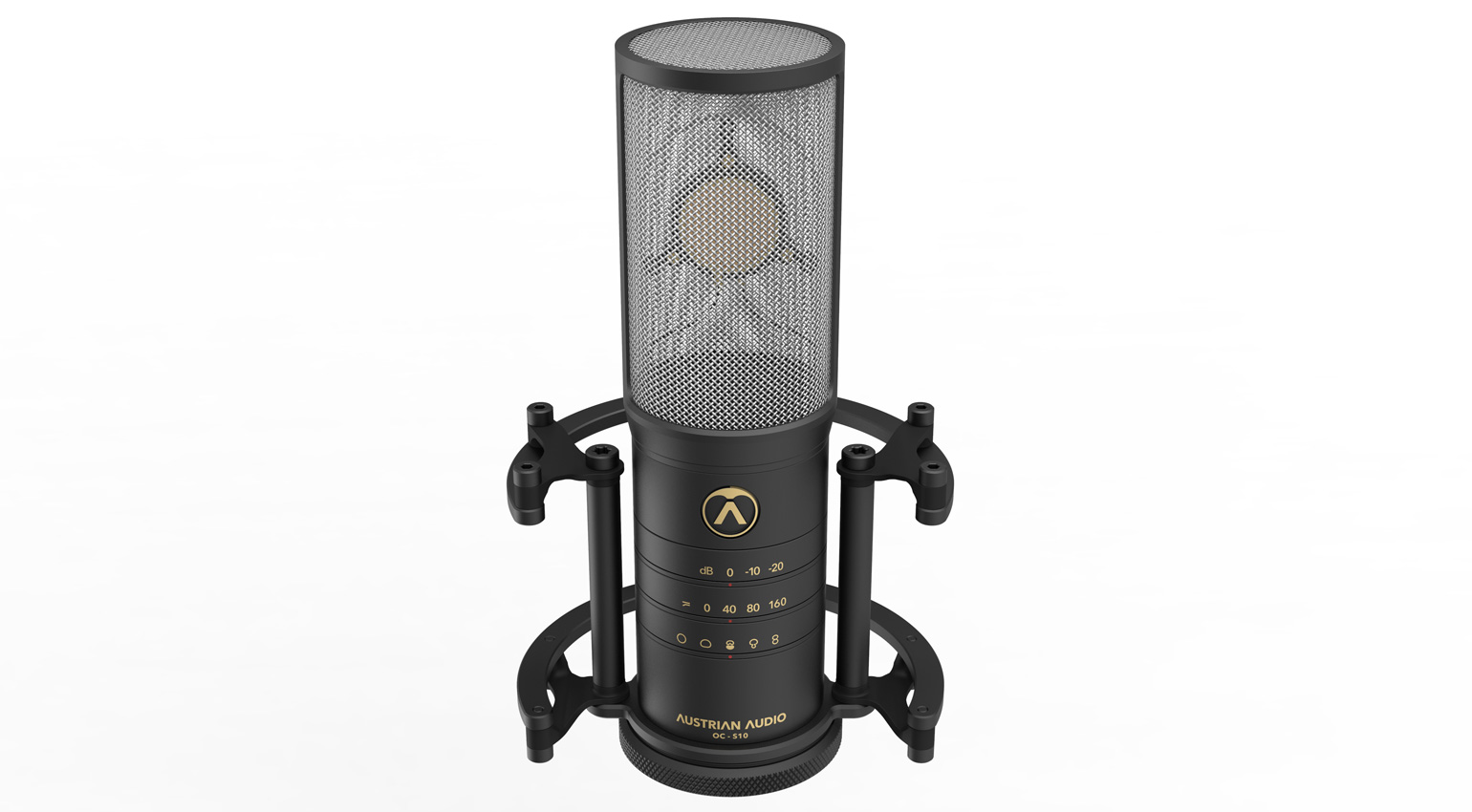
Austrian Audio’s popular OC Series offers large-diaphragm condensers ranging from relatively accessible workhorses all the way up to ultra-premium models. Designed by former AKG engineers, these mics provide modern equivalents to the legendary C414 and C12 mics, reimagined with renewed identities and constructed for everyday use in a modern studio.
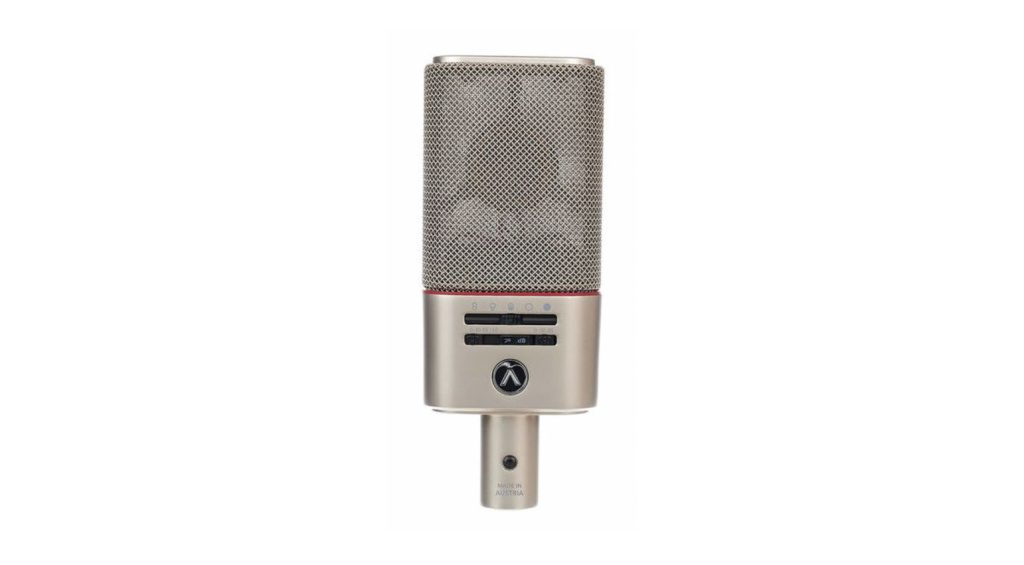
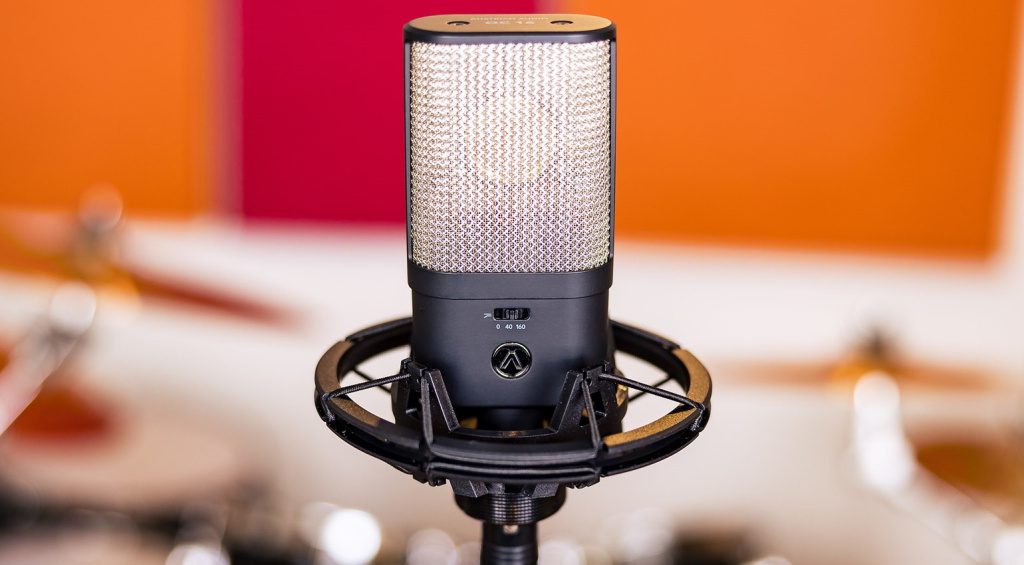
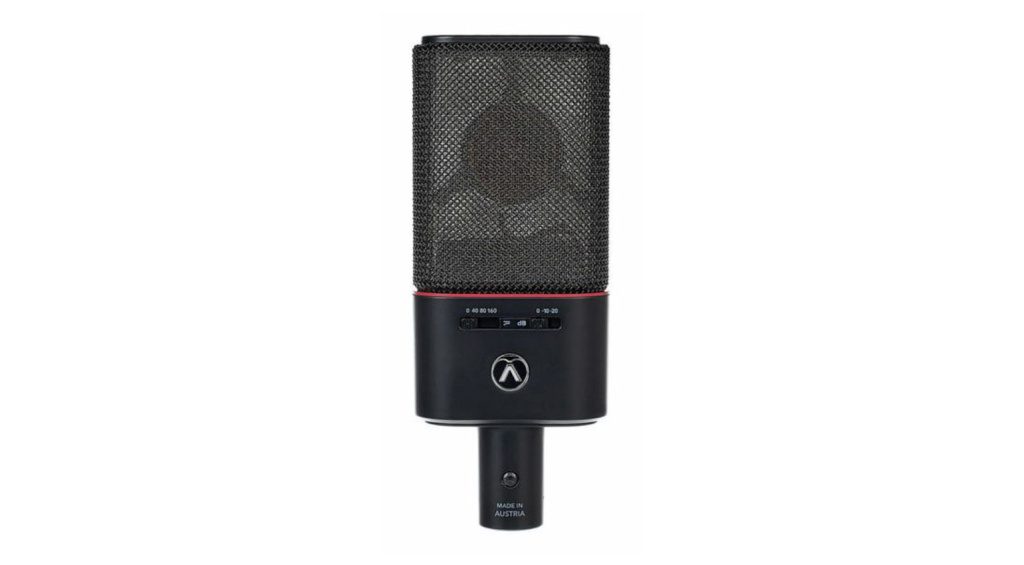
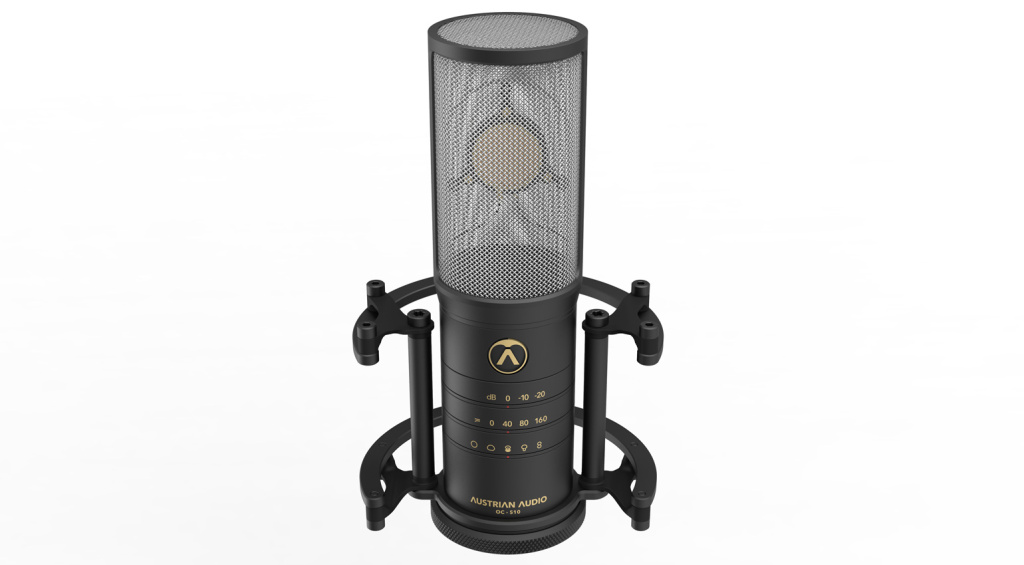
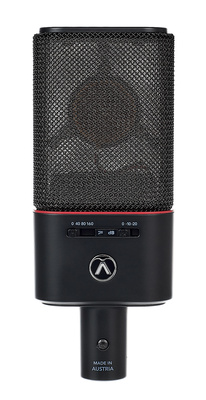
The range starts with the affordable OC16, with its cardioid open acoustic design and single-diaphragm CKR ceramic capsule, ideal for high-quality home recording on a budget. The professional standard in the range is set by the cardioid OC18 and its dual-diaphragm / multipattern OC818, with dual-output capabilities and app control via Bluetooth.
Meanwhile, the flagship of the range is the prestigious OC-S10 for high-end vocal and instrument recording with its dual outputs for added flexibility. All the multipattern OC Series mics actually have five selectable patterns, instead of the standard three, and they all use different versions of the same handmade CKR12 ceramic capsule.

The Best Condenser Microphones: Mojave MA-200 SN
The cardioid MA-200 SN and its multipattern counterpart, the MA-300 SN, are tube condenser mics that are designed to fulfil many of the roles performed by mics like U87 and U67. Mojave microphone designs have been created by David Royer, so you can be sure that a fair bit of thought has gone into them to ensure a great quality vs price tag ratio.
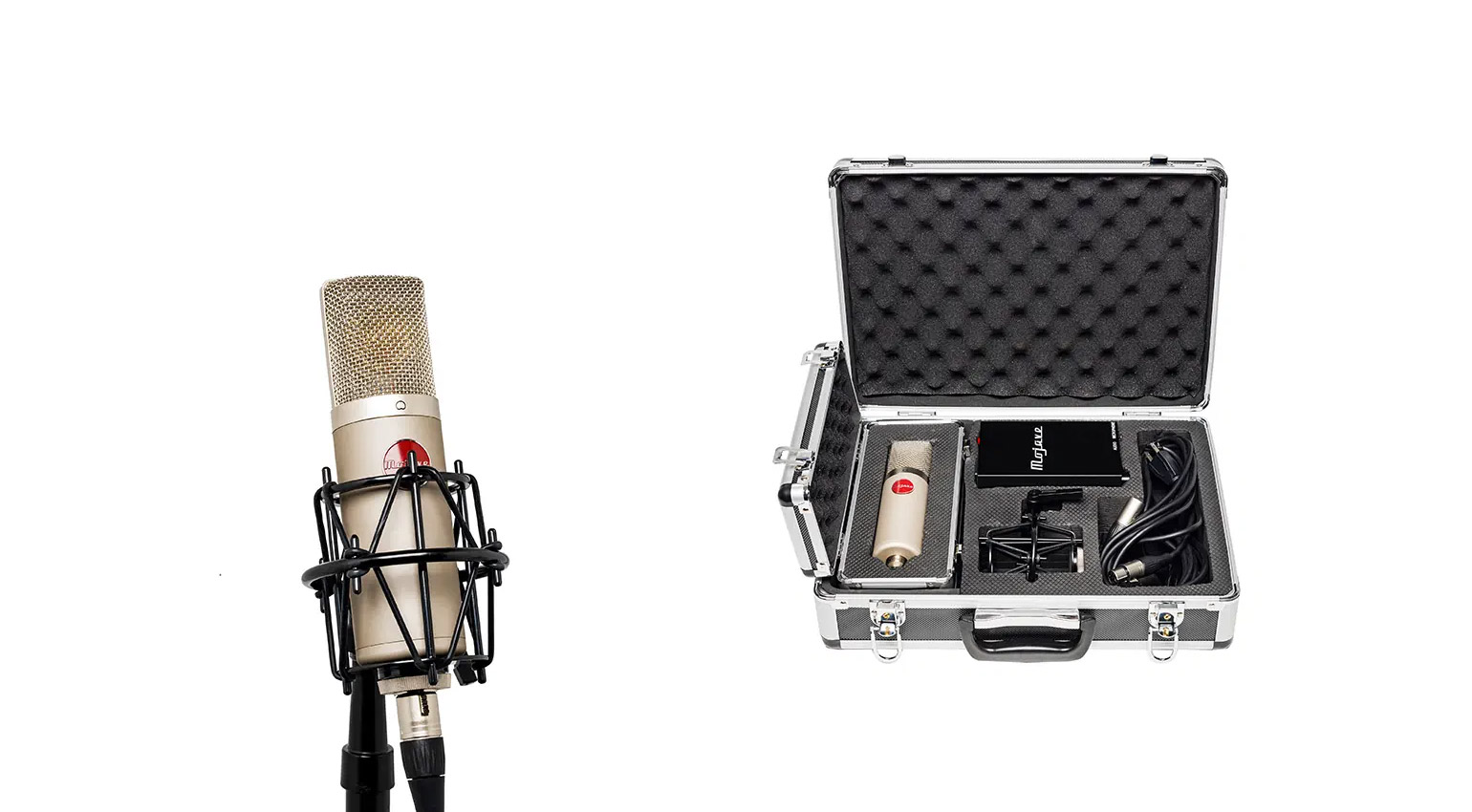
Inside the all-metal body, the MA-200 SN uses a 3-micron 1-inch gold-sputtered diaphragm in its K67-style capsule, combined with a custom Mojave transformer and a JAN 5840 vacuum tube. There are no frills to this design, with no switches of any sort on the microphone body. All you need to do is plug the MA-200 SN into the included power supply, and you’re good to go.
Mojave microphones are renowned for their gloriously detailed top-end, and the MA-200 SN is no exception. So you can achieve that ultra-clean vocal sound for modern Pop and R&B production. What’s more, the MA-200 SN will get a great sound from your acoustic guitar, VOX amplifier, or if you use it in stereo configurations.

The Best Condenser Microphones: SONY C-Series
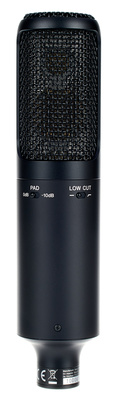
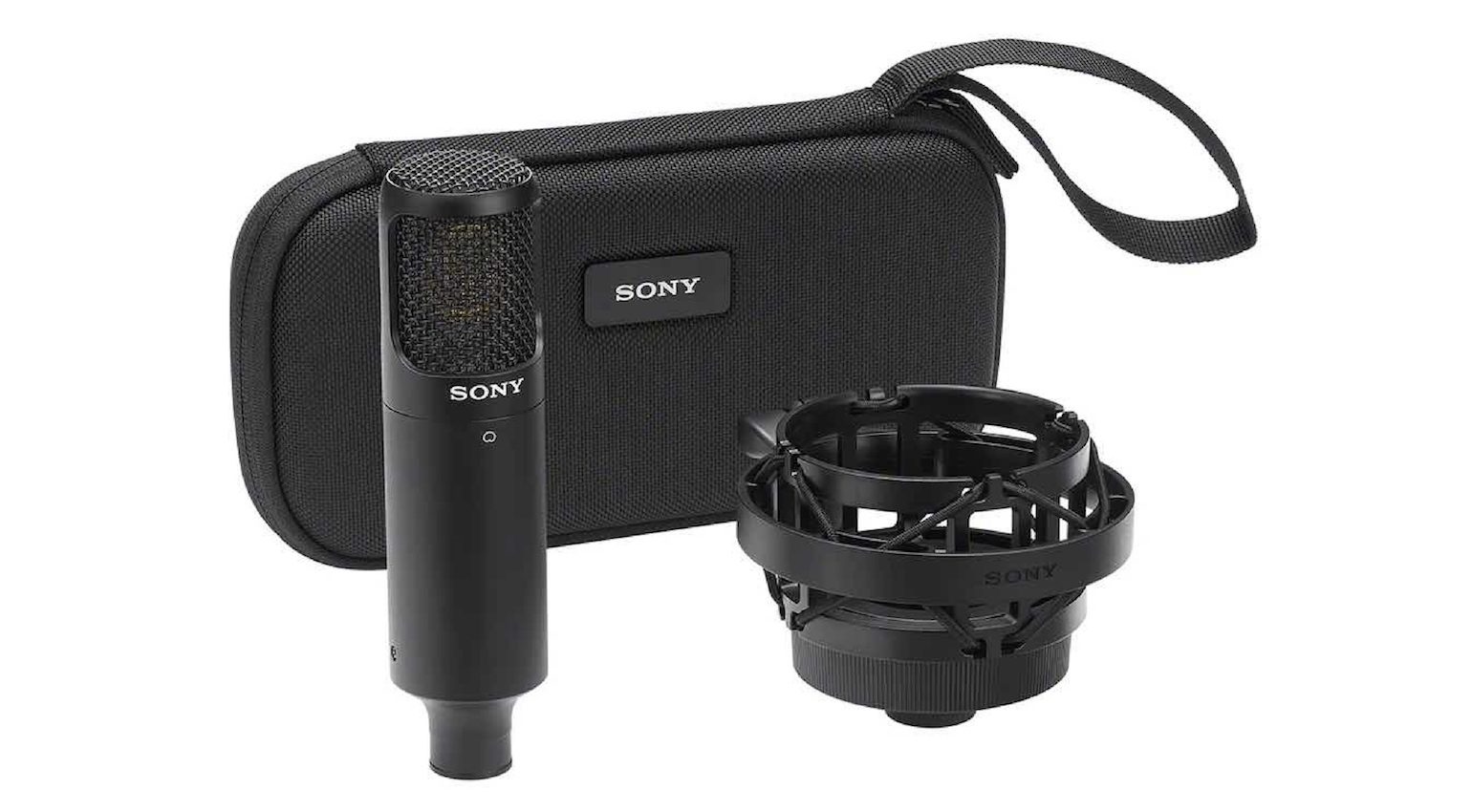
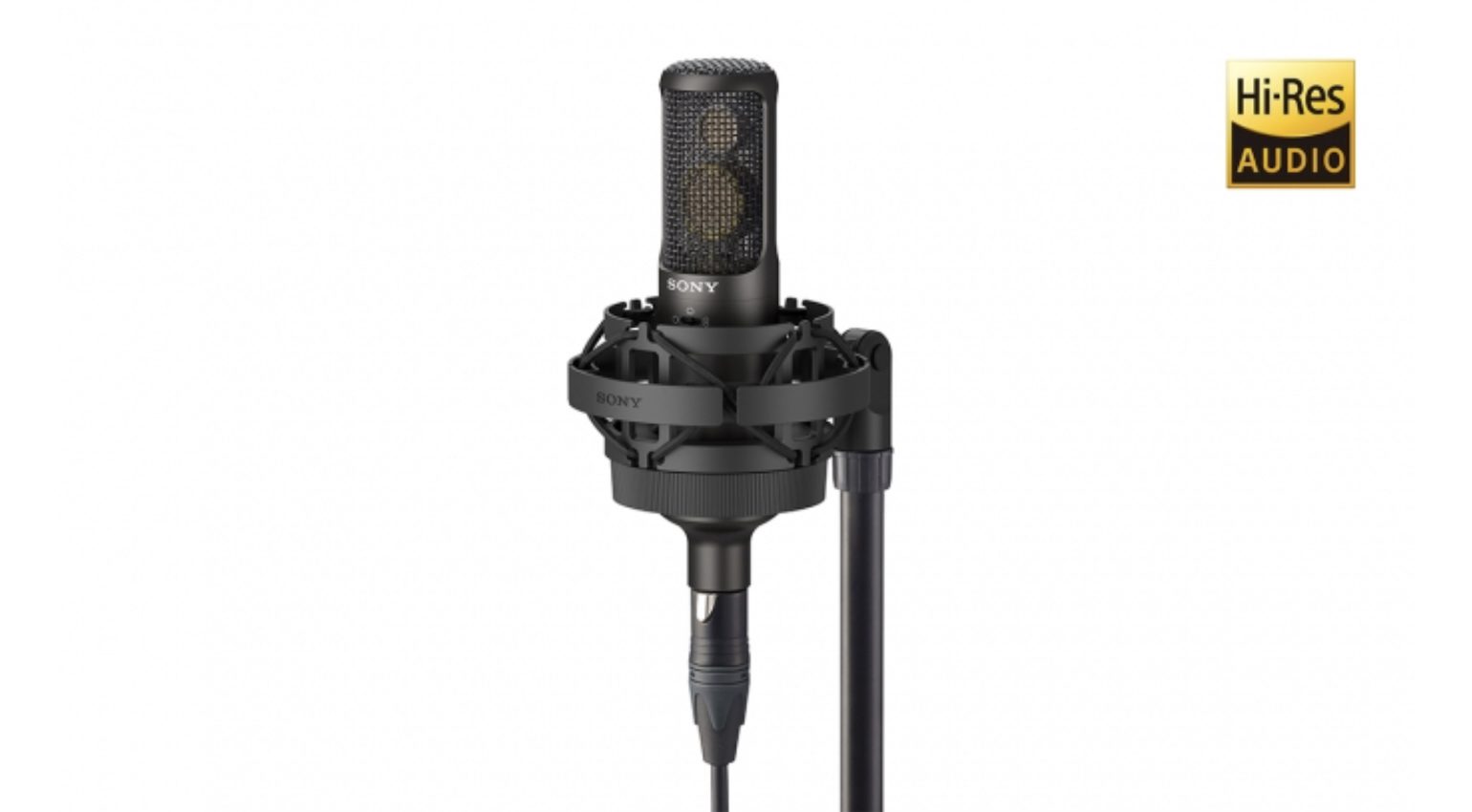
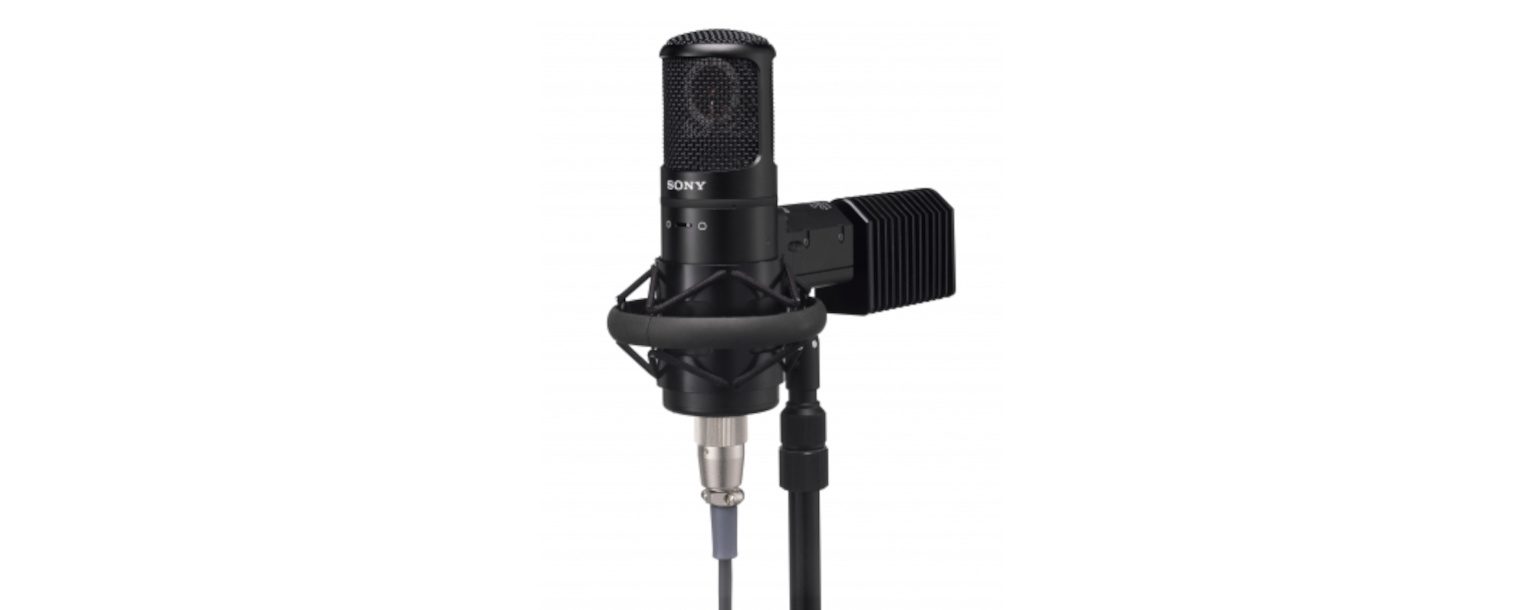
The SONY C-Series studio condenser range is ideal for modern vocal recording, with an emphasis on high-resolution audio capture throughout, from entry-level home recording mics to high-end legends of the industry. The accessible C-80 gets you into the ballpark of the renowned SONY sound for under 500 bucks, instantly giving your home studio a more commercially viable sound.
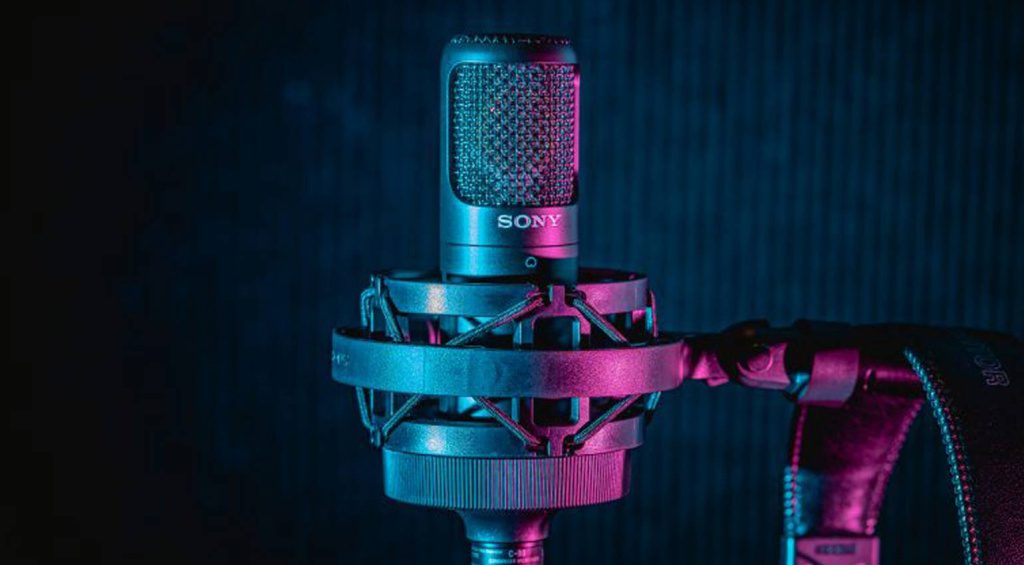
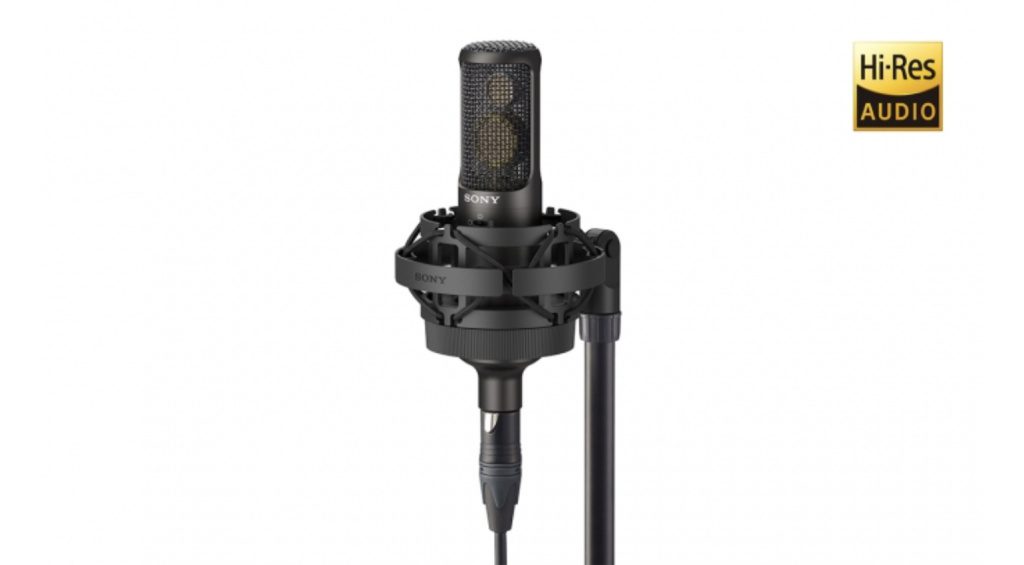
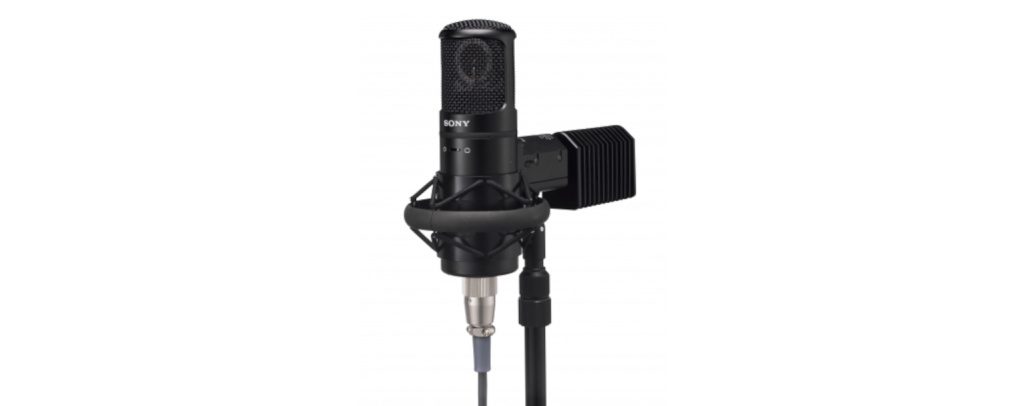
While the design of its two-piece metallic body structure reduces self-noise and acoustic vibration, there is also a low-cut filter and pad switch, so you can easily attack high-SPL sources like guitar amps if you need to. The next level up is the multipattern C-100, with its unique two-way diaphragm design that features a secondary micro-capsule exclusively for capturing ultra-high frequencies between 25 and 50 kHz.
The highlight of the SONY range is, of course, still the famous C-800G tube condenser, used by the likes of Celine Dion, Eminem, Mariah Carey, and Rihanna. While it’s hard to justify the enormous expense in a home studio setting, it certainly carries weight when it comes to landing sessions with major industry clientele.

The Best Condenser Microphones: Manley Reference Cardioid Microphone
When you want this to be the last studio vocal mic you ever buy, you choose the Reference Cardioid Microphone from Manley Labs. Sure, it’s a considerable investment, but this renowned tube mic is a sure way to put your studio on the map. If you’re shopping for a mic in this range, chances are, you’ve already acoustically optimized your vocal booth.
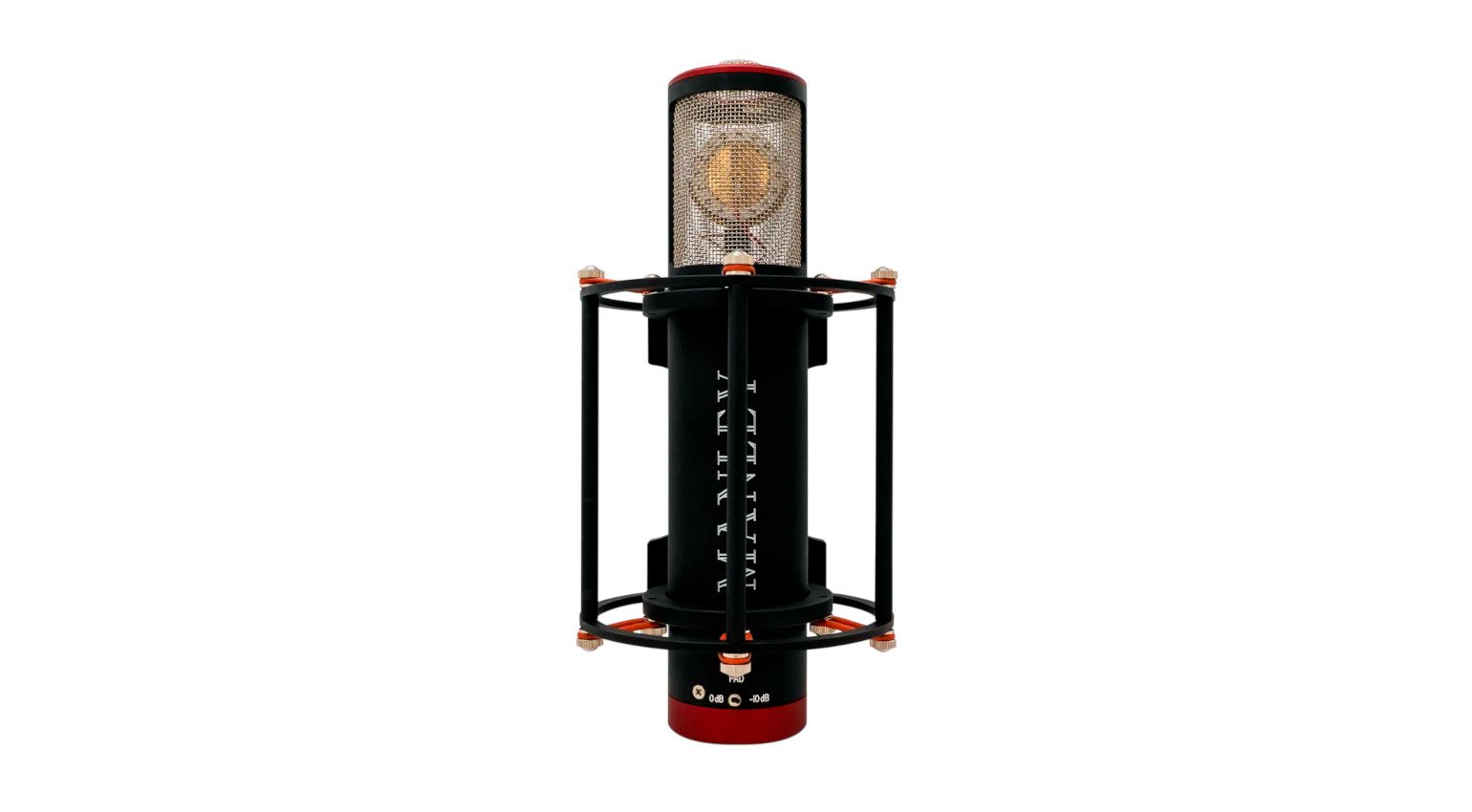
If you’re familiar with any gear built by Manley Labs, it’s about as rugged and reliable as it gets, so the Reference Cardioid can deliver the same consistent results from one client to the next. Although these prestigious microphones have been around since the early 1990s, they were recently upgraded with Manley’s ultra-stable switch-mode power supply.
When combined with the custom-wound transformers and 12AT7 dual triode vacuum tubes, the Reference Cardioid captures every detail of performance with the utmost transparency. This makes it ideal for vocal recording, but it will also produce amazing results in your live room within a stereo overhead setup.

FAQ
1. What is a large-diaphragm condenser microphone?
A large-diaphragm condenser is a highly sensitive microphone that uses a capsule of around one inch in size, ideal for capturing detailed sources that include the surrounding ambient environment.
2. What are large-diaphragm condenser mics best used for?
Large-diaphragm condensers are commonly used for recording vocals, acoustic guitars, guitar amps, and strings, as well as in overhead configurations for drums.
3. Do large-diaphragm condenser microphones need phantom power?
Large-diaphragm condensers with solid-state circuitry (FET, transformerless) require 48V phantom power from a mic preamp, audio interface, or mixer, while tube condensers usually have a dedicated power supply box.
4. How do you choose a large-diaphragm condenser microphone?
In order to choose the best mic, you need to keep in mind the type of sound sources you plan on recording, and consider the polar pattern, frequency response, self-noise, and sensitivity of the mic, as well as its circuit design (tube, FET, transformerless) and the acoustics of your recording space. The right mic will complement the source, rather than simply being the most expensive option you can find.
5. Are condenser mics better than dynamic or ribbon mics?
Not necessarily. While a specific type of mic may excel for capturing certain sources, the results may prove unsuitable on others. Large-diaphragm condensers are usually preferred for their full-bodied, detailed sound, but they can also pick up more of the ambient reflections than dynamic or ribbon mics, especially with an omnidirectional pickup pattern selected.
More about the Best Condenser Microphones
- All about mics
- Thomann’s Guide to large-diaphragm mics
- More about home recording
*Note: This article about the best condenser microphones contains promotional links that help us fund our site. Don’t worry: the price for you always stays the same! We will receive a small commission if you buy something through these links. We appreciate your support!
The post The Best Condenser Microphones for Vocal Recording appeared first on gearnews.com.