
Using a channel strip is one of the most convenient ways to shape your sound on the way in. We’ve selected some of the best channel strips for your setup, no matter what you plan on recording.
Key Facts about Channel Strips:
- Channel strip designs originate from recording and mixing consoles, combining multiple processing stages into one workflow, including a mic preamp/DI, an EQ, and a compressor.
- A channel strip lets you optimize gain, manage dynamics, and shape the tone of the incoming signal in the tracking stage, which can reduce the amount of post-production necessary.
- While some channel strips use cleaner modern designs, others are inspired by vintage tube or solid-state circuit designs, with the ability to add harmonic character and subtle saturation.
- While channel strips are used most often for recording vocals, they are just as effective on guitars, bass, synths, and drums, and this flexibility makes them equally useful in studio or in live sound environments.
In this Article:
Generally, with audio gear, all-in-one products should always be regarded with a healthy degree of skepticism. Channel strips, however, are modular by nature, so you need to find something that suits your specific workflow.
While some pro engineers swear by the “comp no EQ” rule, others like to dial in a healthy dose of parametric EQ before the compression stage on the way in. As history shows, there are no hard and fast rules, only ways to deliver the sounds you desire.
How to Choose the Best Channel Strips
The idea of a channel strip originates from the analogue consoles of yesteryear that helped in the recording process of some of our favourite music.
In today’s flexible home recording era, a useful combination of a preamp stage, EQ, and compression becomes the perfect set of tools to refine your instruments before they enter your DAW.
Providing discrete gain, analogue saturation, and tone colour, or shaping the peaks of your vocals and instruments are all unique features that still can’t be reproduced with software in quite the same way.
The Best Channel Strips: JHS Colour Box V2
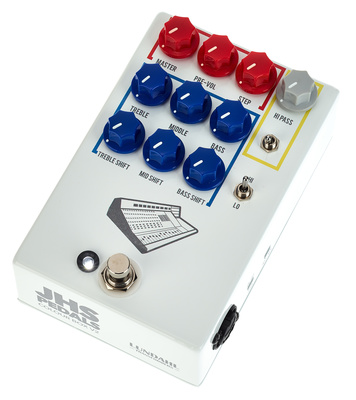
Neve-style channel strips come in all shapes, sizes, and price ranges, and the Colour Box brings studio quality to your pedal board. Apart from a great mic and instrument pre, you also get an extremely versatile EQ with 3 variable bands.
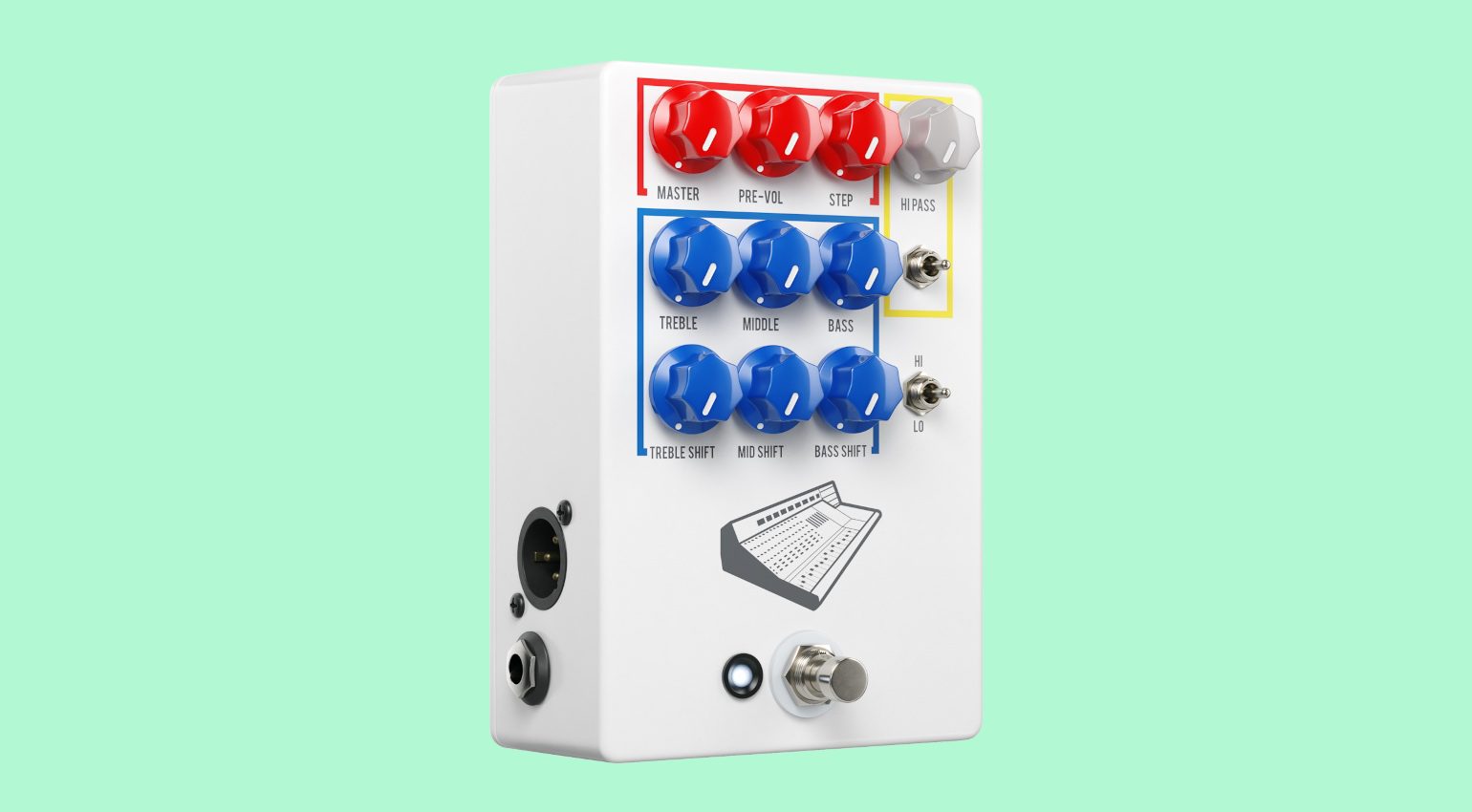
Boost or cut lows from 20Hz to 440Hz, mids from 150Hz to 2.4kHz, and highs from 2kHz to 30kHz. Meanwhile, there is an adjustable HP filter that works from 160Hz to 650Hz. Besides its sound, possibly the best thing about the design is that, without visual cues, you are forced to use your ears.
- More from JHS Pedals


The Best Channel Strips: Behringer 676 and 1273
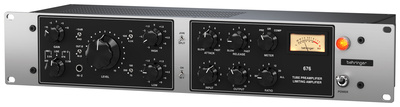
The Behringer 676 and 1273 are two budget-friendly recording channel strips based on classic designs. With the 676, you get a tube mic preamp with an 1176-style compressor, ideal for capturing vocals, guitars, and more. To perfectly match your input, there are two gain settings for mics, two for high-gain instruments, and one for line inputs.
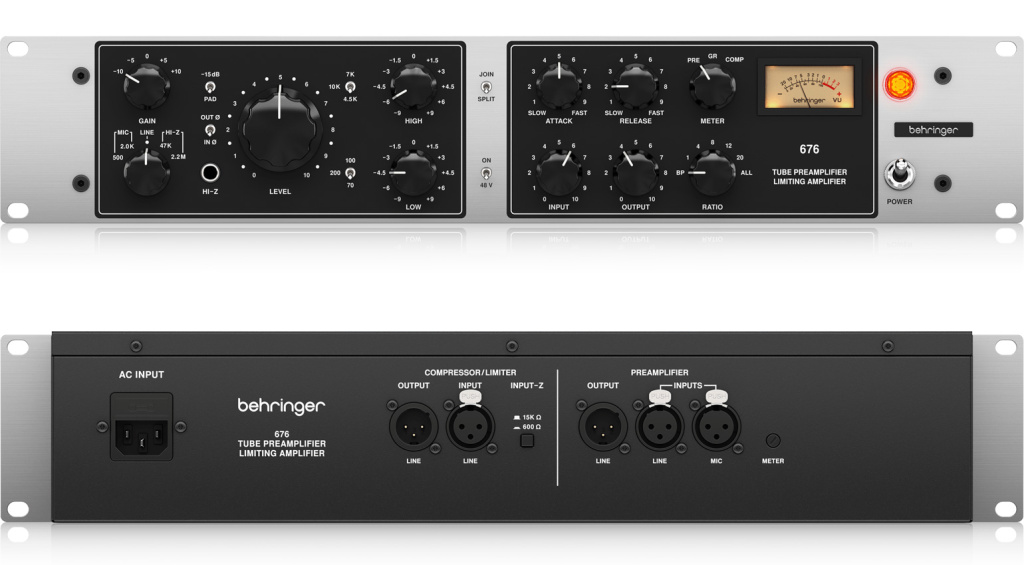
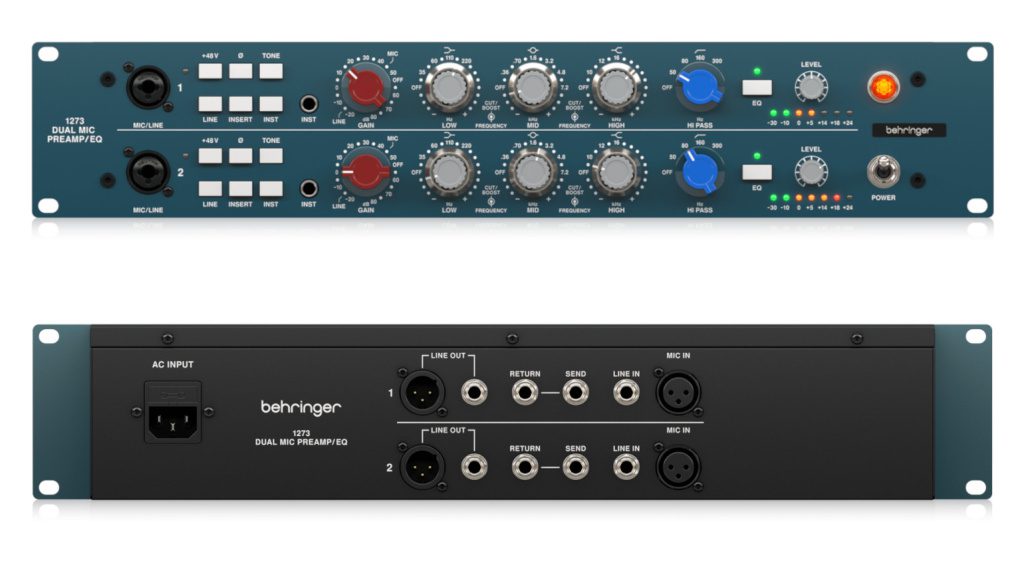
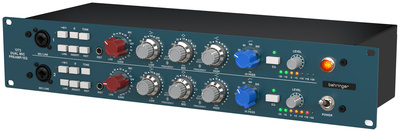
Also, the 676 has a 2-band EQ to refine your signal on the way in, and the preamp stage and compressor can be used separately, so you can choose to dial in healthy doses of compression and EQ, or record completely clean if you wish. Meanwhile, the 1273 is a dual channel strip module giving you two channels of Neve-style inductor EQ to work with.
This allows you to track vocals and guitar simultaneously, do stereo mic techniques, or you can use the two channels in series to make use of the added EQ bands. Overall, Behringer has created some useful input stages for your home studio with familiar and easy-to-use interfaces. Get it at Thomann.*

The Best Channel Strips: Tegeler Audio VTRC
The Tegeler Vari Tube Recording Channel combines classic tube circuitry with modern utility, giving you a versatile recording front end. The VTRC offers a wide range of signal shaping tools, including a tube preamp stage, a passive Pultec-style EQ, and two tube compression circuits, an opto and a vari-mu stage that can be used independently or in series.
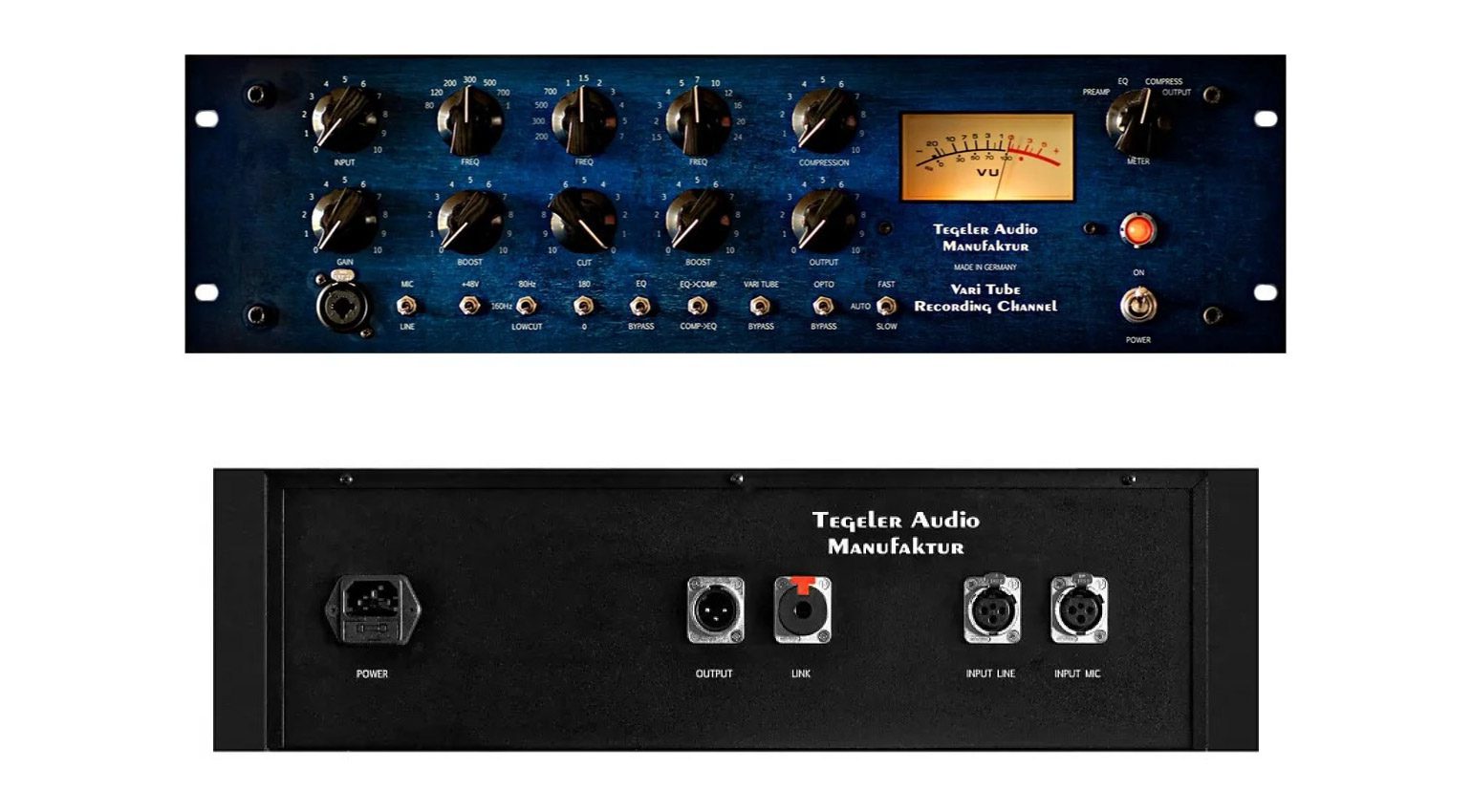
Why does the preamp stage need two gain controls? Well, the main input level is controlled by one, whereas the gain knob allows you to drive the tube stage for introducing saturation and harmonic distortion. On the EQ side, there is a switchable low-cut filter and three passive EQ bands to enhance your signals on the way in.
The two compressors are both dialed in with a single knob, and you can set the response time to fast, slow, or auto. Meanwhile, two VTRC channels can be stereo-linked for bus processing applications and stereo recording. Overall, the VTRC is a versatile unit, suitable for a wide range of applications, offering a good bang for buck ratio. Get it at Thomann.*
The Best Channel Strips: SSL
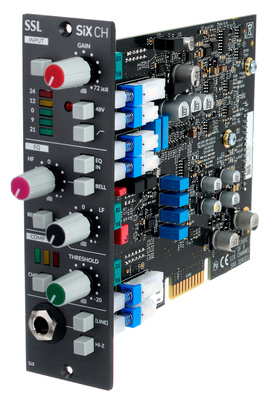
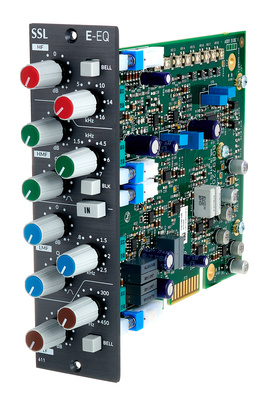
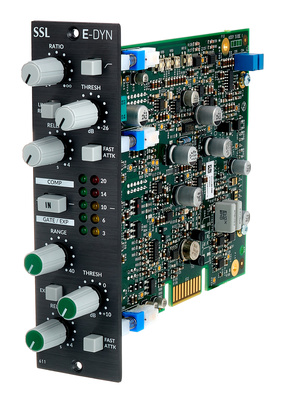
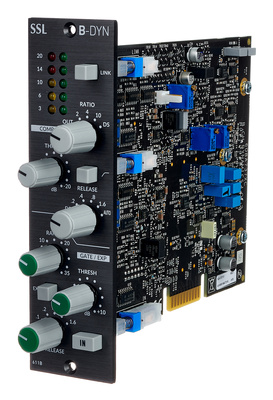
As you’d expect from the world-famous console manufacturer, SSL has a wide range of channel strip options in both 500-series modules and 19-inch rackmount units. Naturally, if you’re taking the 500-series route, you’re often buying each processing stage, such as the preamp, EQ, and compressor, as individual modules.
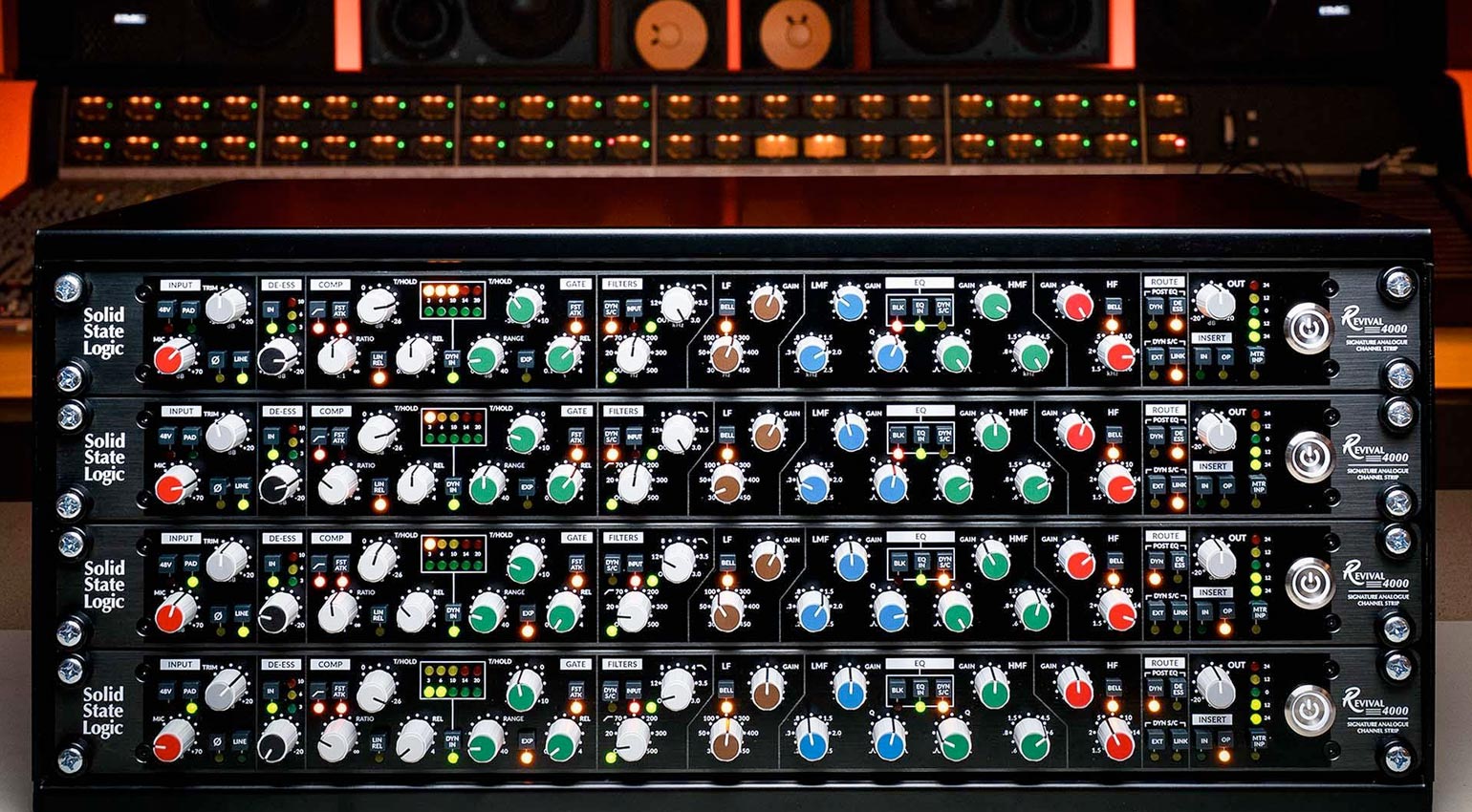
The range starts with the affordable SiX Channel, derived from the SiX desktop mixers, which combines a preamp/DI, 2-band EQ, and one-knob auto-gain compressor in one module. Alternatively, you can build a channel strip with the VHD+ preamp, the 611 E-EQ, the 611 E-DYN, or the 611B B-DYN compressor modules.
In rackmount units, SSL gives you a choice of workflows, with the Revival 4000, inspired by the classic SL 4000 consoles that dominated the 1980s, and the more modern Super 9000, which brings the SuperAnalogue channel strip from the 9000 J and Duality consoles into a single linkable rackmount unit. Get it at Thomann.*


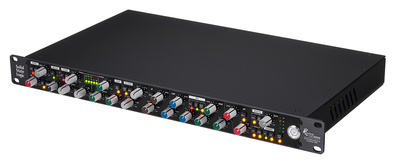

The Best Channel Strips: Harrison Audio 32C MS Mix Strip
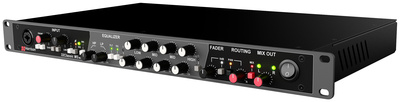
Build your own classic American Harrison Audio in your rack, one channel at a time, with the 32C MS Mix Strip. This uniquely stackable channel strip provides the legendary 32C mic preamp with a Jensen input transformer and the sought-after EQ section with its signature proportional Q feature.
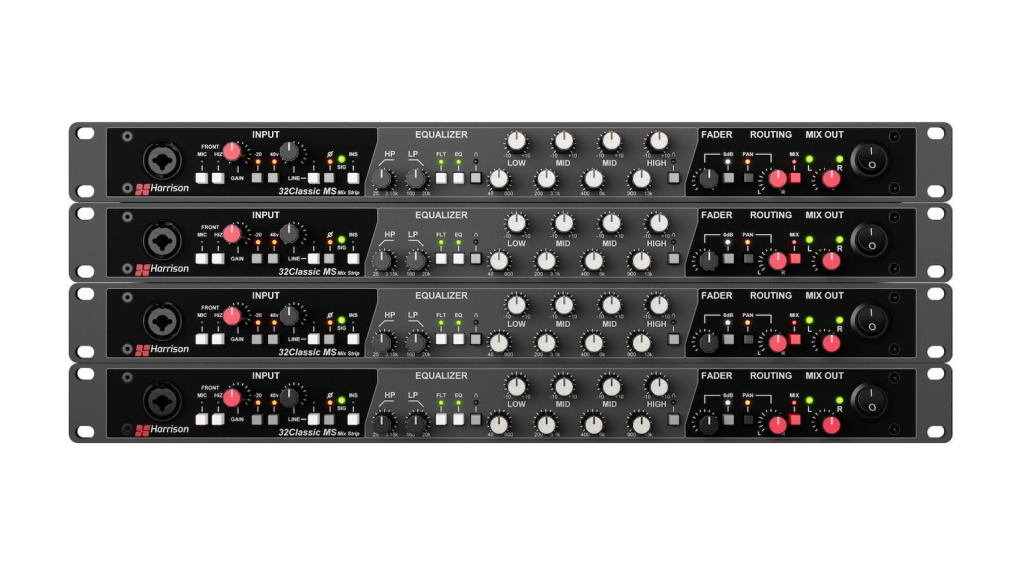
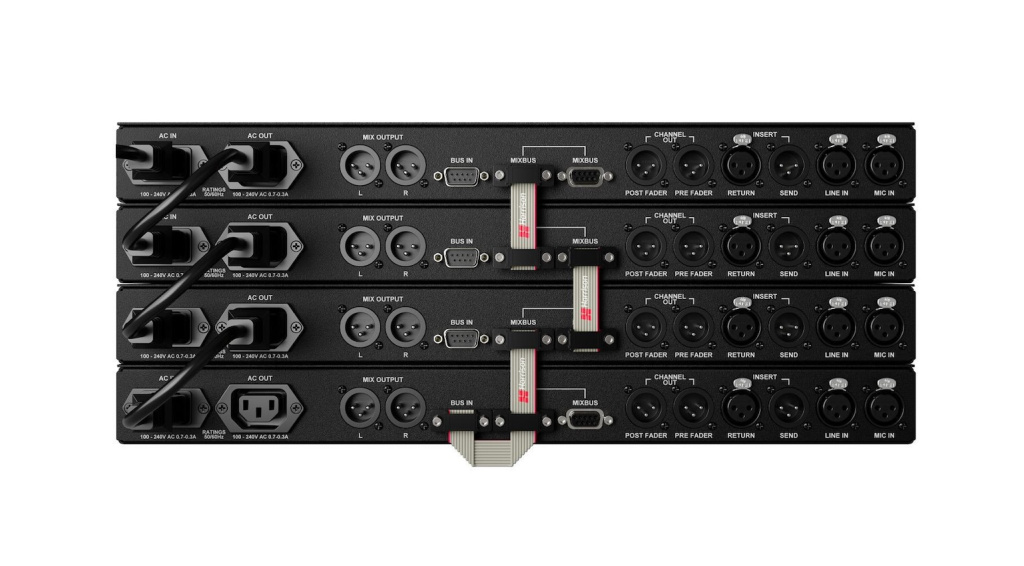
The input stage is fully loaded with features for dealing with different signals, be it mic, line, or high gain, and there is also an insert point before the EQ stage, so you can add a compressor into the recording path if required. The console section of the MS Mix Strip is equally extensive, with pre- and post-fader outputs and stereo routing options.
To cascade multiple Mix Strips, you simply select the unit that will be the master mixbus and connect the mixbus routing accordingly. This provides a versatile summing mixer with EQ and insert points on every channel. Overall, the MS Mix Strip is a great option for both studio and live sound applications. Get it at Thomann.*

The Best Channel Strips: Empirical Labs Mike-e
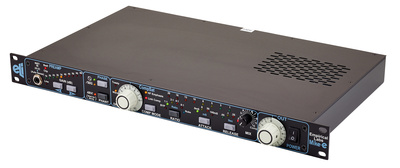
There are very few professional studios around the world that don’t own at least one piece of Empirical Labs gear. The Mike-e gives you precise, digital control over your preamp gain and 1176-style compression stage, plus an analogue saturation circuit.
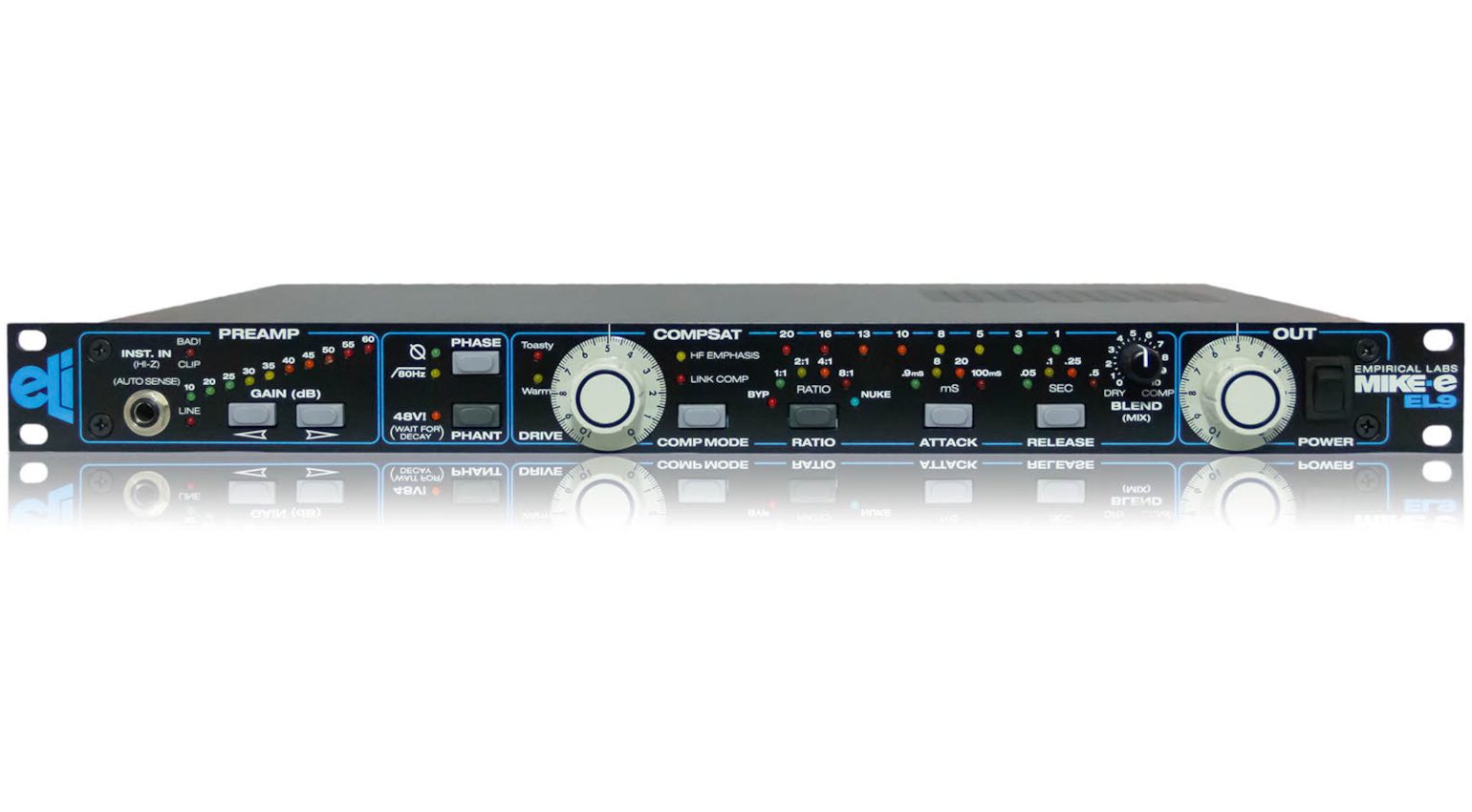
Also, like most things from Empirical, it’s modular and offers flexibility like a pre-compression insert point, a sidechain input, and stereo-link operation. The Mike-e even allows parallel processing, making it even more versatile.
- More from Empirical Labs

The Best Channel Strips: API
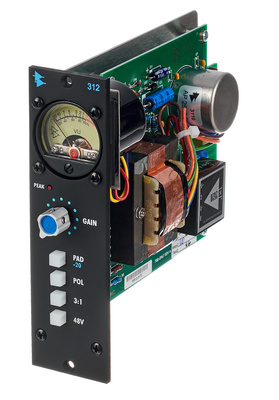
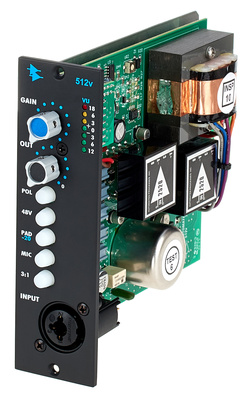
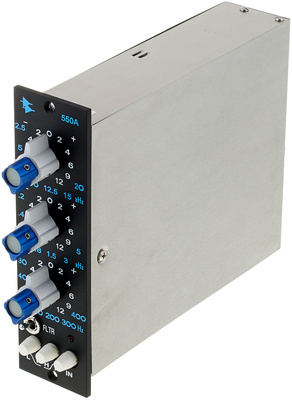
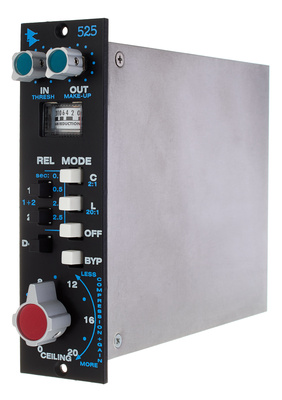
As the pioneer of modular console designs and the 500-series format for outboard gear, API has a diverse range of modules to mix, match, and build your own channel strips, in addition to its range of rackmount gear. Within the range of modules, you have a choice of the more vintage 312 or the more modern 512 preamps, 550 or Select SV14 EQs, and 525 or 527 compressors.

Depending on whether you need DI inputs or just mic pres, this range allows you to really tailor your channel strip toward the application and tone you need, allowing you to take a more vintage or versatile modern approach. Meanwhile, the TCS II Channel Strip provides a 512 mic preamp, a 527A compressor, a 550A EQ, and a 325 line amp in a single rack unit.
This is convenient because you don’t need a 500-series lunch box to use it, and the compressor features Larry Droppa’s patented THRUST® circuit for pushing elements right to the front of the mix. Also, the TCS II has an external sidechain input, metering, an insert point, and extensive routing options from the rear connectivity panel. Get it at Thomann.*


The Best Channel Strips: Rupert Neve Designs 5034 Newton Channel
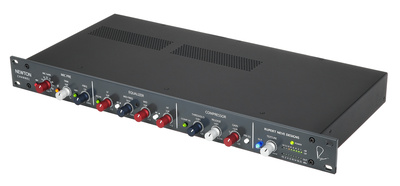
The Newton Channel takes all the quality you’d expect in an RND channel strip and puts it in a more accessible package. You get a basic 3-band EQ with a parametric midrange band, a simple VCA compressor, and, of course, the SILK feature common to RND gear.
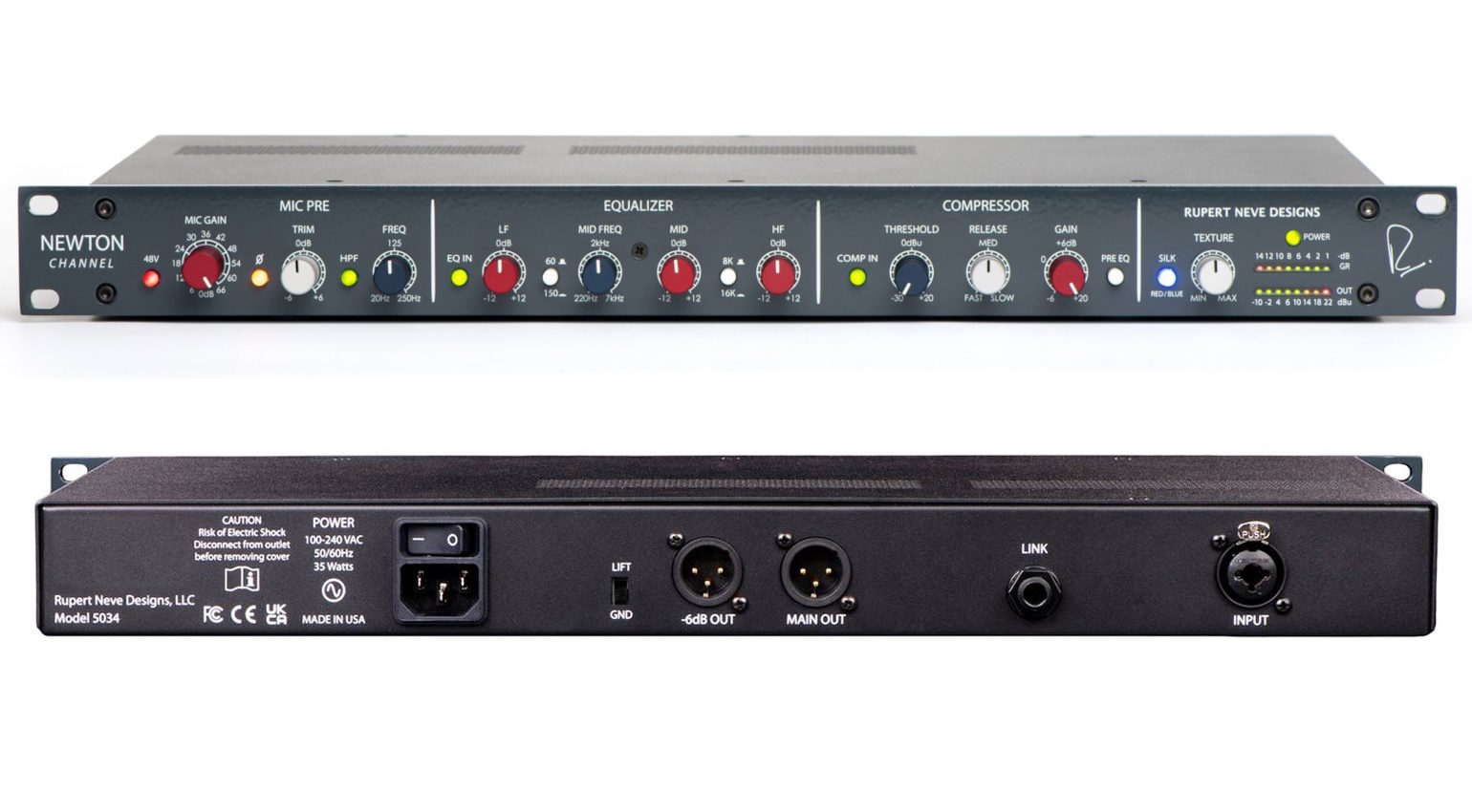
Apart from being stereo-linkable, the EQ and compression stages can be bypassed, and there’s a separate -6dB output to ensure you don’t overload your gain stage when introducing harmonics into the signal.
- More from Rupert Neve Designs


The Best Channel Strips: Manley
When it comes to tube designs, Manley is one of the best manufacturers in the business, using carefully selected vacuum tubes, custom transformers, and hand-built high-voltage class-A discrete circuitry across the entire range. There are two channel strip options in the Manley lineup designed for users with different budgets and requirements.
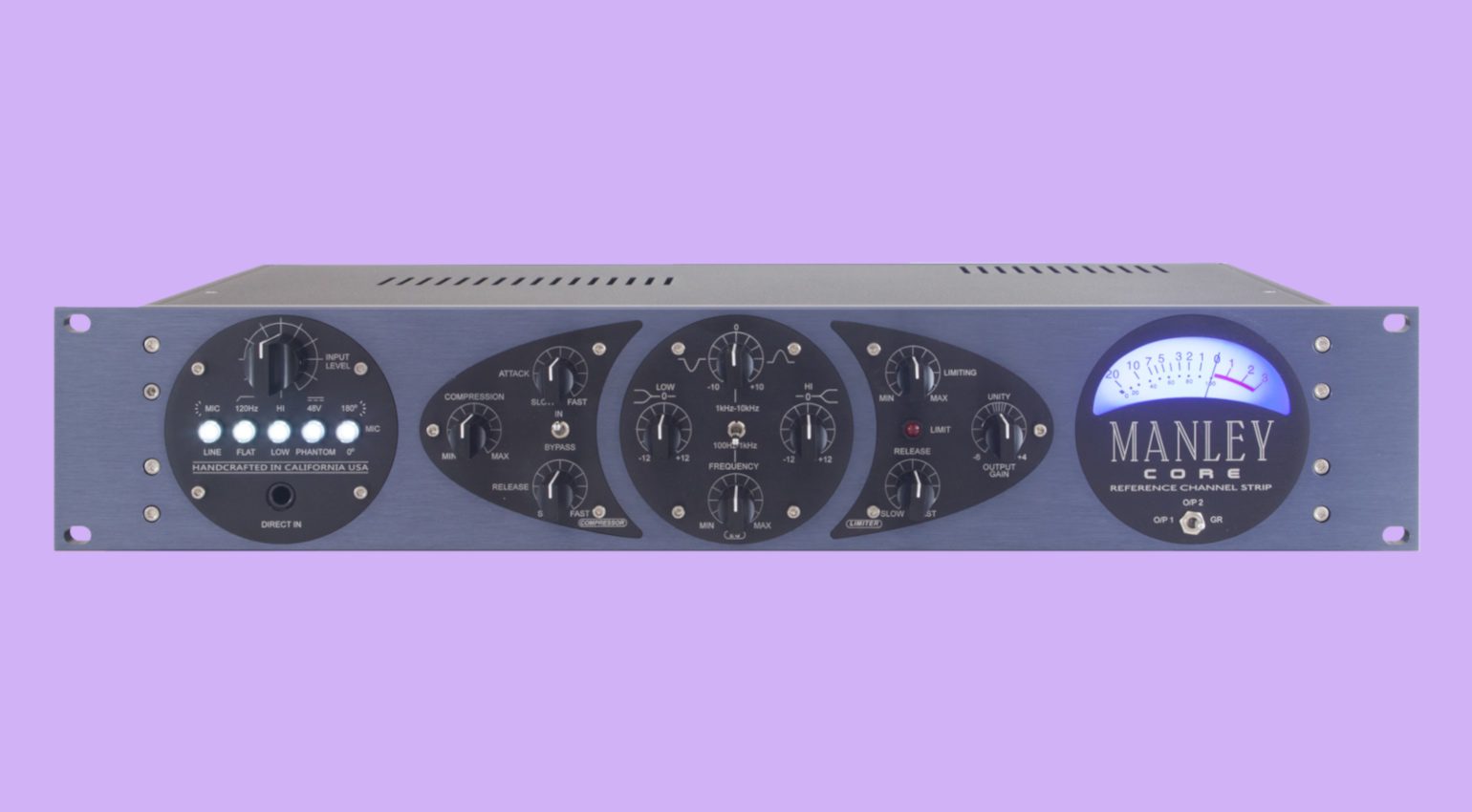
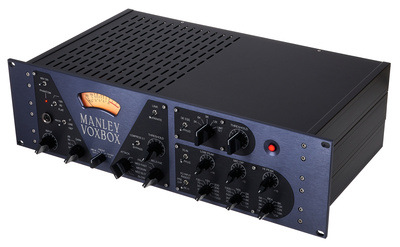
Designed as an intuitive modern workhorse for tracking, the Manley Core uses a tube preamp stage, an ELOP (electro-optical) compressor, a 3-band Baxandall-style EQ, and an FET brickwall limiter for transient control. Meanwhile, the flagship Voxbox uses an all-tube design with a 3-band Pultec-style EQ and a de-esser/limiter stage.
Although the preamp and ELOP compressor, which is placed before the tube preamp stage, are the same across these two units, the Voxbox gives you more control over how the tubes affect the transient response and harmonic saturation characteristics. This allows you to delve further into vintage colour, while the Core has a more transparent sound. Get it at Thomann.*

The Best Channel Strips: elysia
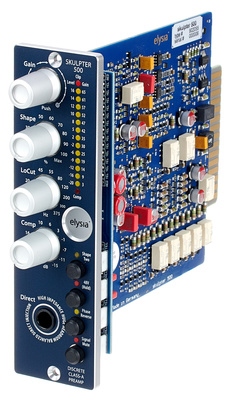
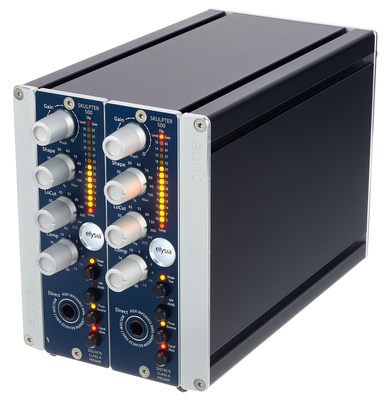
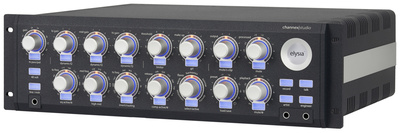
The innovative German manufacturer’s lineup of preamps and channel strips is small but impressive, with options that allow you to access their high-quality designs relatively affordably or simply get the best studio channel strips on the market. The skulpter class-A preamp is available as a single 500-series module or a dual-channel desktop unit with a range of unique features.
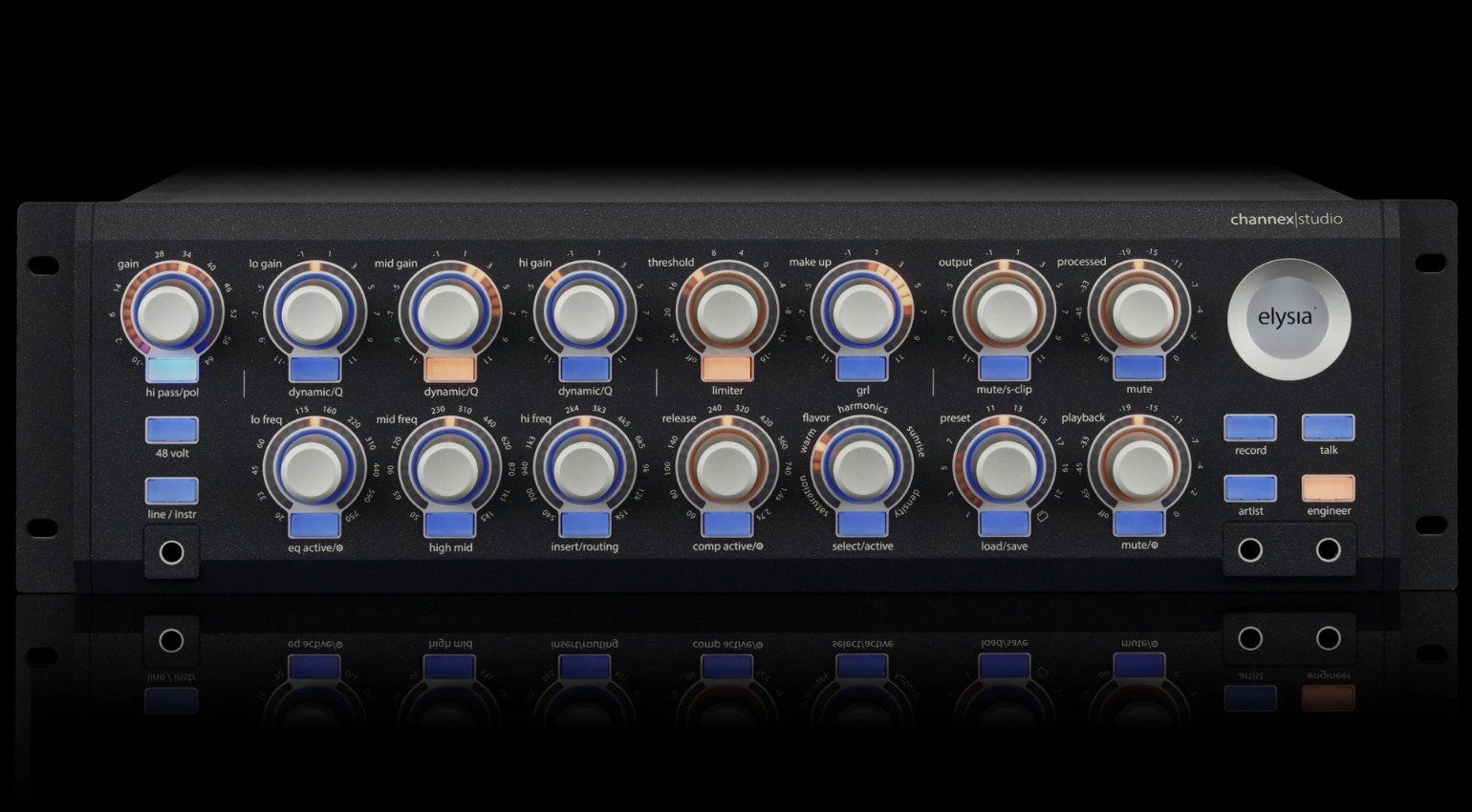
Besides the variable low-cut filter, there is a harmonic shaping control with two different modes for vocals and instruments. Meanwhile, the adaptive single-knob RMS compressor uses a fixed 3:1 ratio, and its Auto Fast technology adjusts the attack time for dealing with fast transients. At the top of the range, the flagship channex|studio provides everything you could want in a piece of recording gear.
Besides the preamp, 4-band dynamic EQ, compressor, and limiter, there is a colouration stage with five different character modes. In addition, there is a built-in digital reverb, a talkback circuit, and digital recall via a dedicated plugin interface. Overall, the channex|studio combines unique modern features in a way that makes it ideal for today’s DAW-based workflows. Get it at Thomann.*

FAQ:
- What is a channel strip?
A channel strip is a chain of signal processing tools in one unit that usually includes a mic preamp, EQ, and compressor designed to shape signals during tracking.
- Is a hardware channel strip better than using plugins?
While channel strips possess powerful enhancement tools for shaping signals during recording, plugins offer a greater degree of flexibility in the DAW environment, which is why they are used together at different stages.
- What should I look for when buying a channel strip?
Consider the type of processing stages used in the design, which will determine whether it has a cleaner or more colourful sound, as well as the overall build quality and connectivity options.
- Are hardware channel strips only for recording vocals?
While channel strips are often used in vocal recording, they are also useful on guitars, synths, and drums for optimizing the gain and enhancing signals on the way in.
- Where does a channel strip come in the signal chain?
Right at the beginning. A channel strip is what you plug your microphone or instrument into before routing its output into your audio interface. This lets you shape the analogue signal before it reaches the digital realm.
More about the Best Channel Strips:
*Note: This article about the Best Channel Strips contains affiliate links that help us fund our site. Don’t worry: the price for you always stays the same! If you buy something through these links, we will receive a small commission. Thank you for your support!
The post The Best Channel Strips for your Recording Setup appeared first on gearnews.com.