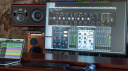
Rupert Neve Designs just did something it’s never done before: released plugins under its own name. These new RND Plugins bring software versions of three of the company’s most beloved hardware units, the Portico II Master Buss Processor, the 551 Inductor EQ, and the 542 Tape Emulator. RND has collaborated on software for other brands plenty of times over the years, but these three are notably the first plugins the company has ever put out itself.
RND Plugins: Portico II, 551 EQ, and 542 Tape Emulator Explained
RND Plugins: Why This Launch Actually Matters
RND hardware has been a fixture in mixing, mastering, and live sound rigs for years, but getting your hands on that sound has always meant buying actual hardware. That changes today with these RND Plugins. Built in collaboration with McDSP, one of the industry’s most established plugin developers, all three promise the same circuitry RND is known for, plus a few extras that only make sense in the software world. Let’s get into what each one actually does.
Portico II Master Buss Processor: The Flagship Goes Digital
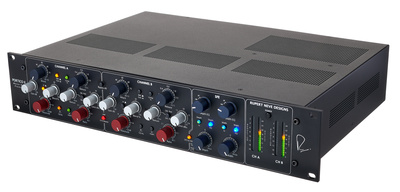
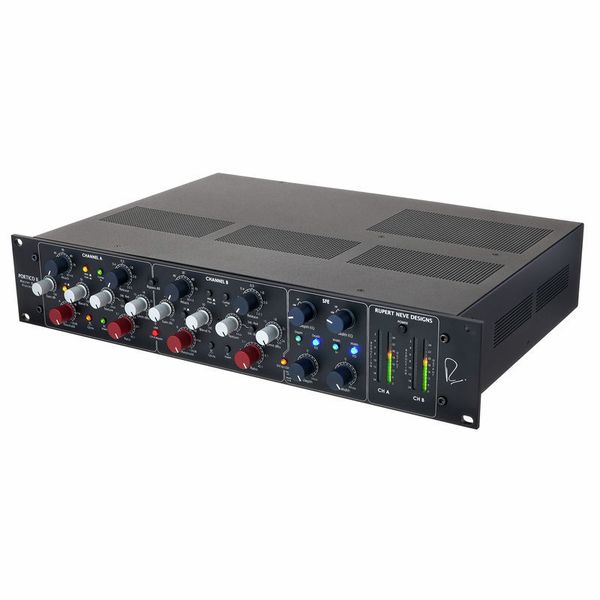
Since its release back in 2011, the Portico II Master Buss Processor has stayed one of RND’s flagship products, prized for its flexibility on precision dynamic range and stereo field control. It’s become a genuine go-to for mixing and mastering engineers, and live sound engineers rely on it just as much. Now that exact processing chain is available among the new RND Plugins, without needing a rack unit sitting in your studio.
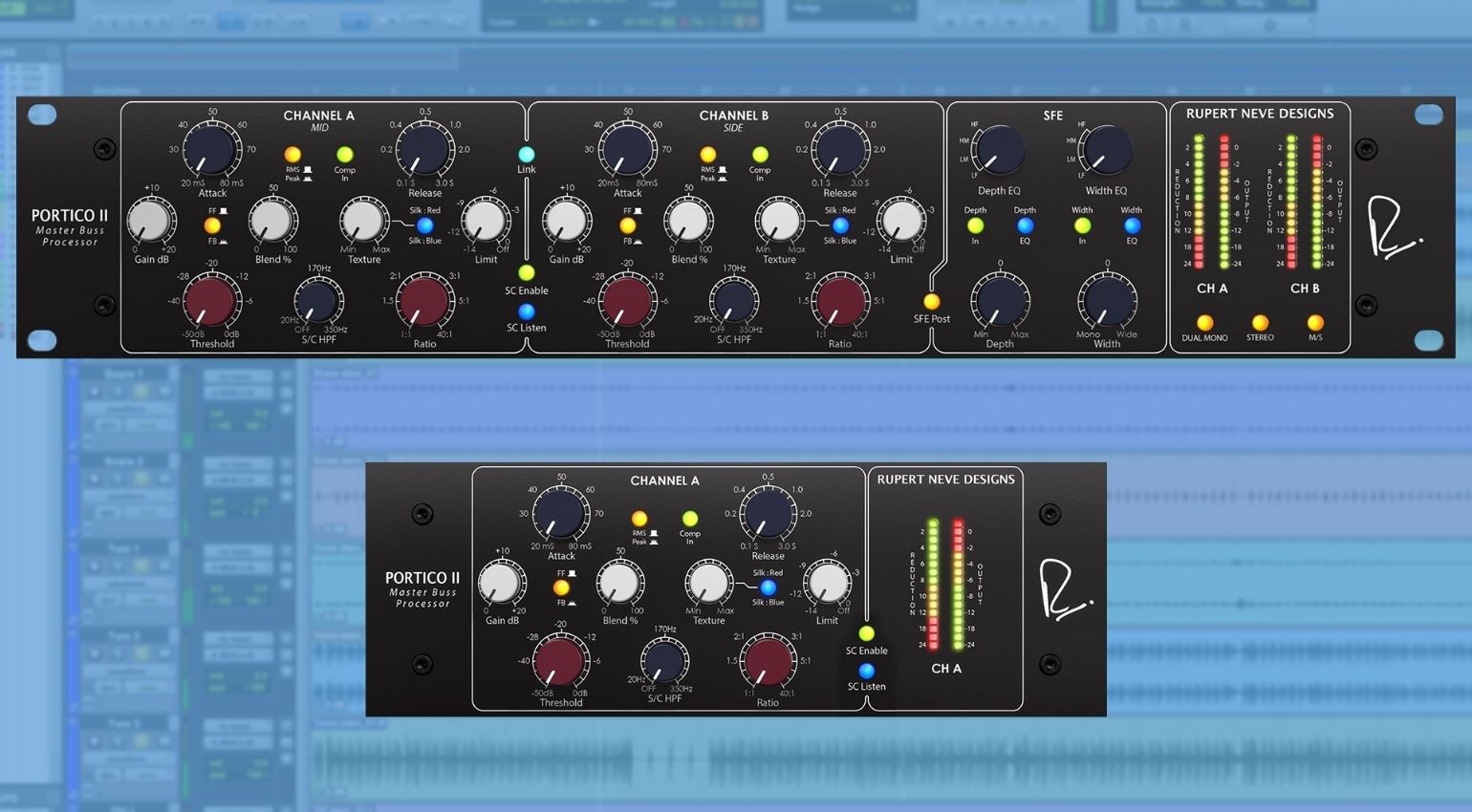
You can grab it here at Thomann* for 199 Euro.
551 Inductor EQ: The Only 500-Series EQ Neve Himself Designed
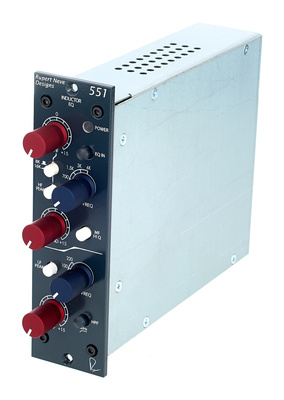
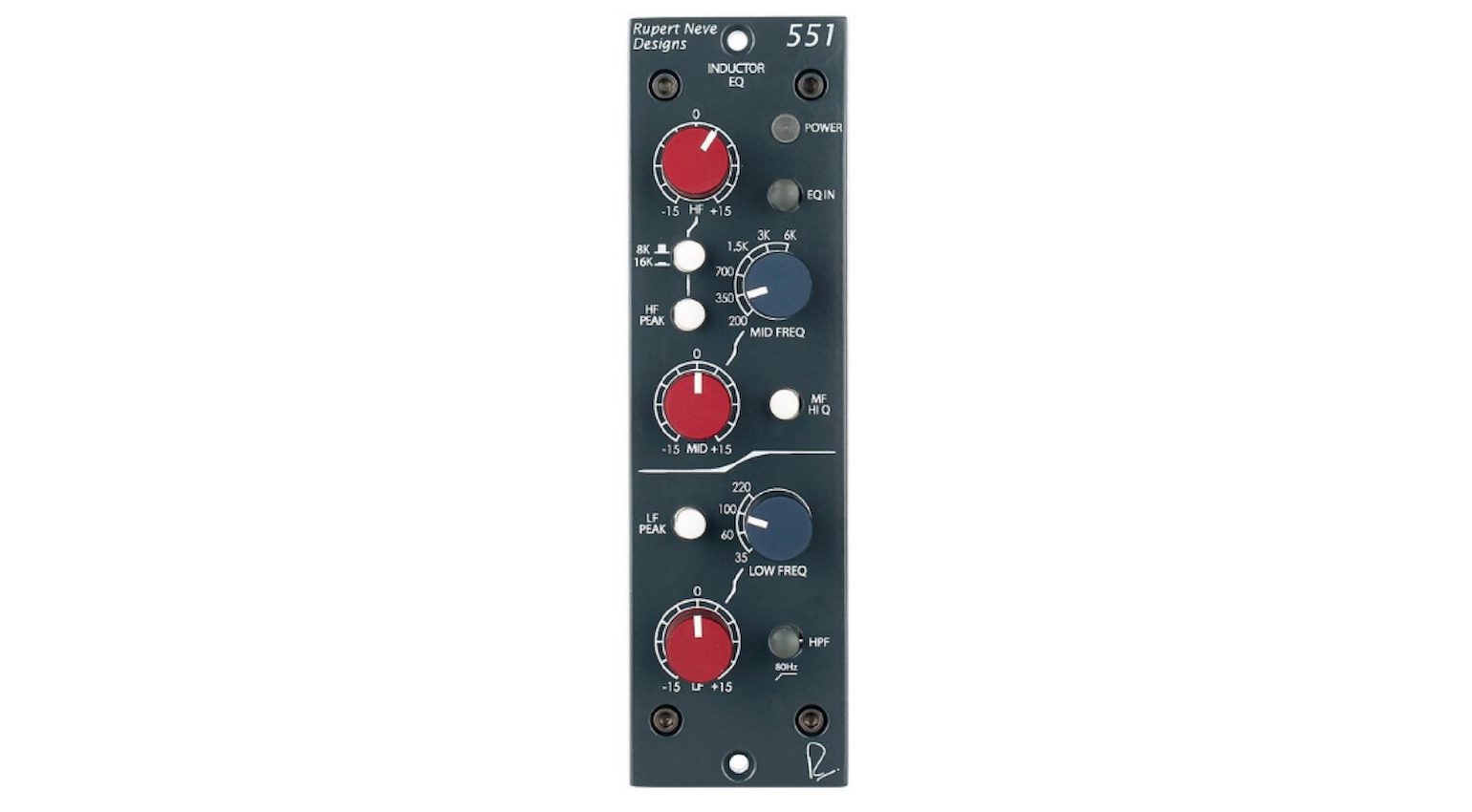
The 551 Inductor EQ holds a genuinely unique spot in RND’s catalog, it’s the only 500-Series equalizer Rupert Neve himself actually designed. It runs on circuitry originally built for the well-known Shelford Channel, and packs three bands of EQ inspired by some of Neve’s most prized vintage designs. If you’ve ever wanted that specific inductor-based EQ character without hunting down 500-Series hardware, this is about as direct a route as it gets.
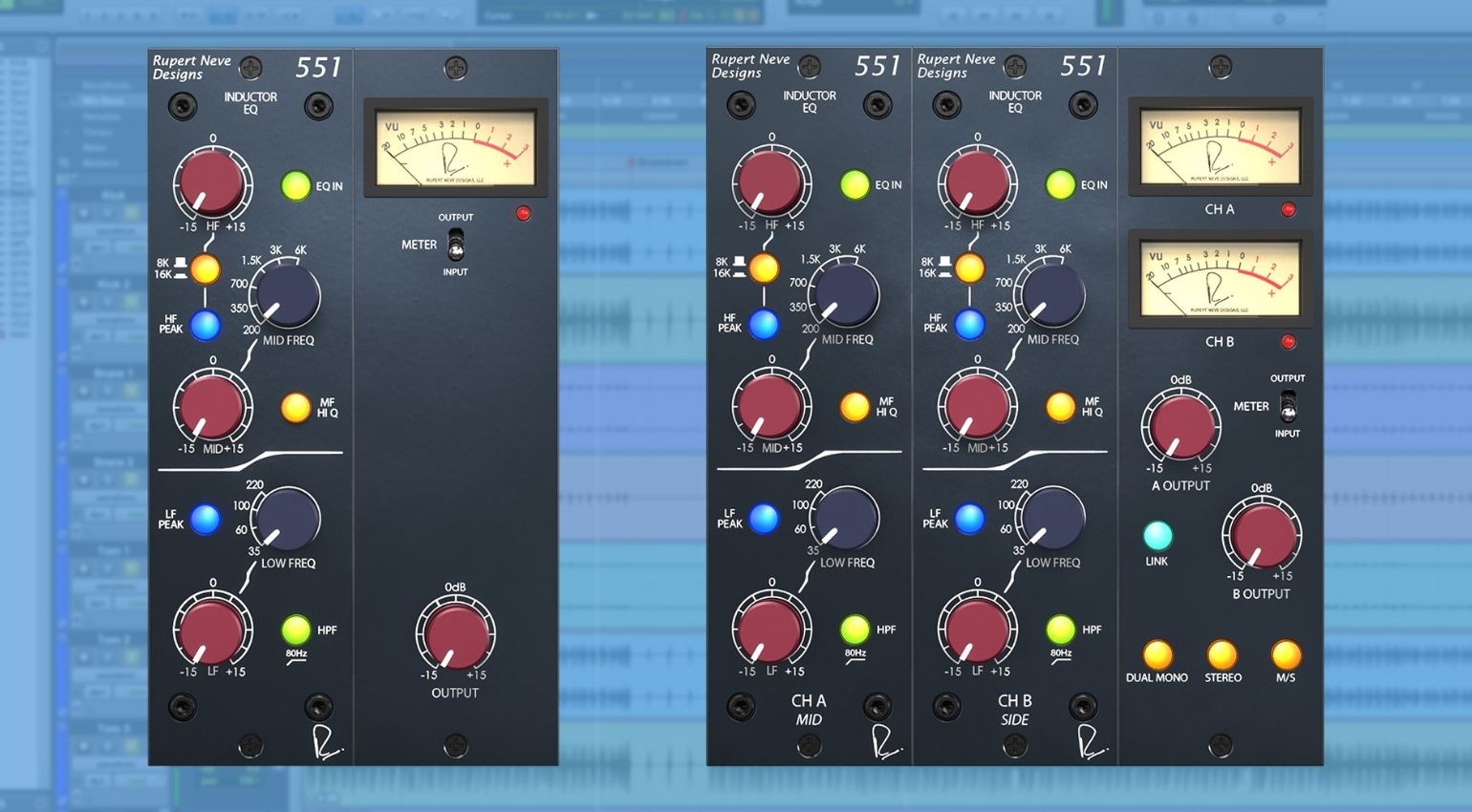
The 551 Inductor EQ is available here at Thomann* for 129 Euro.
542 Tape Emulator: Saturation With That Signature Silk
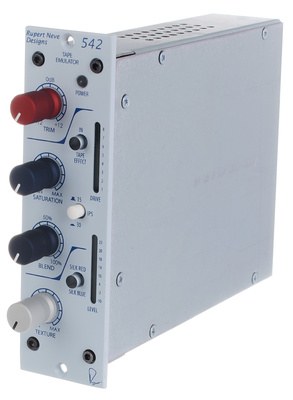
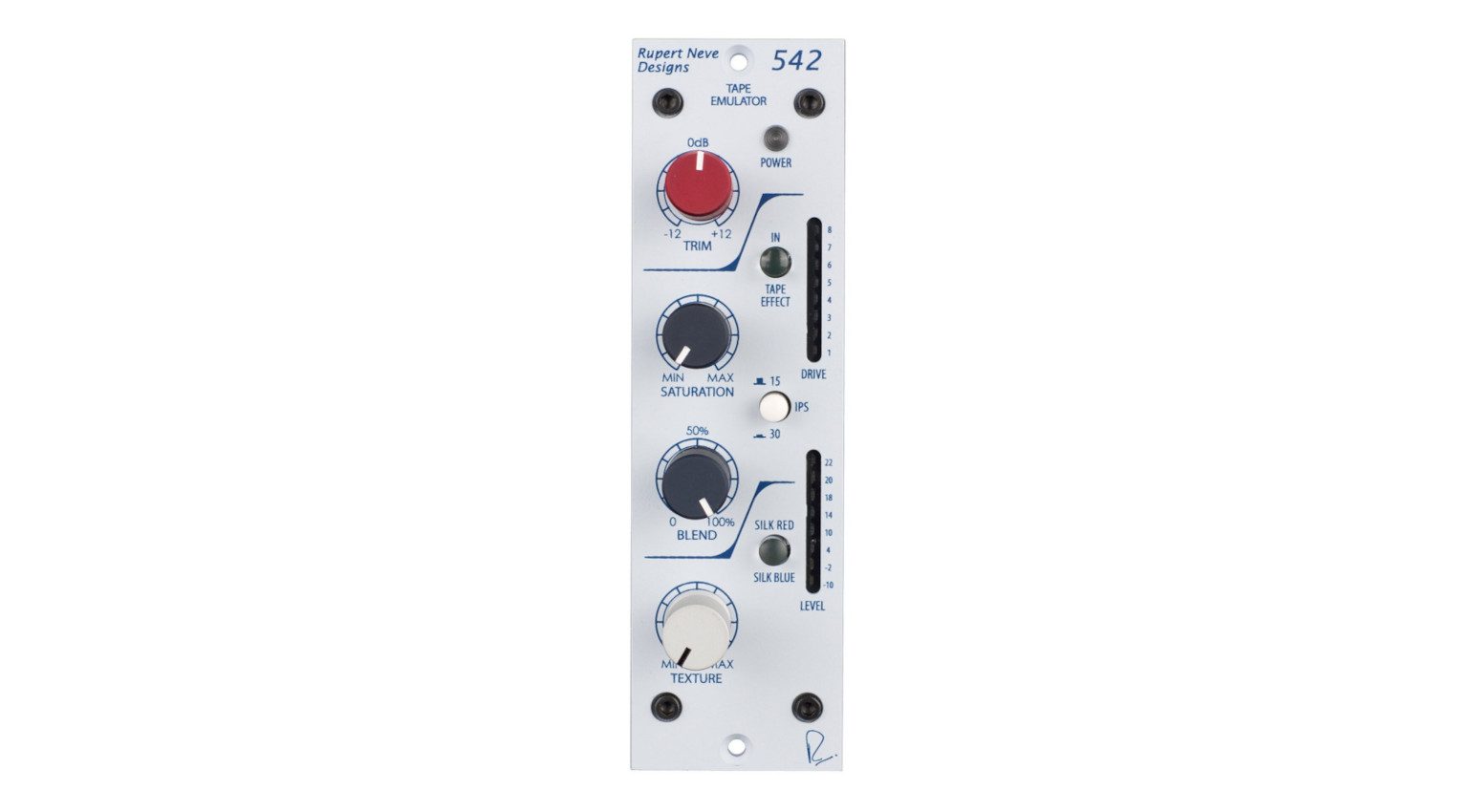
Rounding out the RND Plugins trio is the 542 Tape Emulator, built around RND’s own tape saturation circuit. A soft-clipper is on board to tame harsher sources, and the plugin includes the company’s well-known Silk Red and Blue harmonic saturation modes, the same coloring tool that’s shown up across a lot of RND’s hardware lineup over the years.
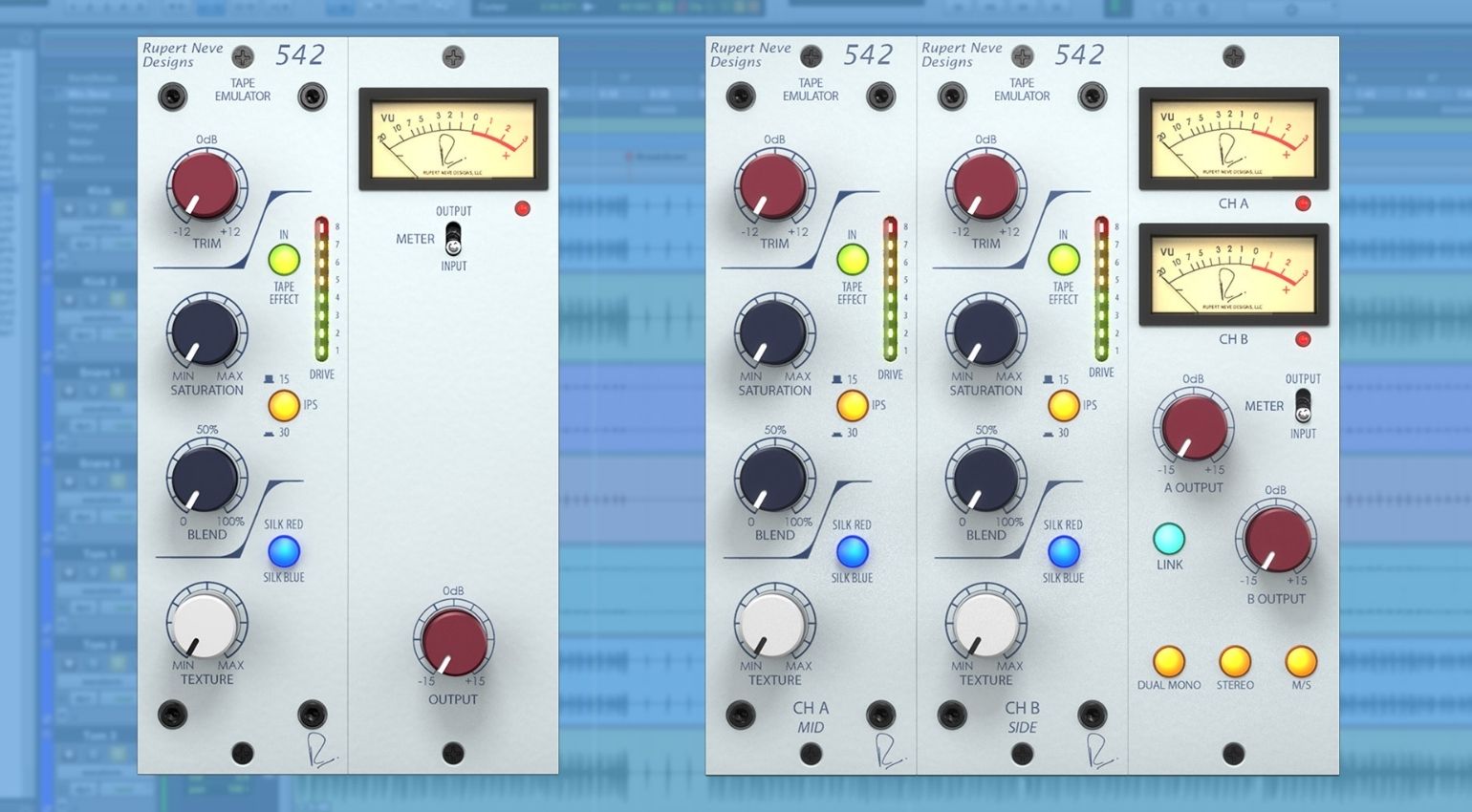
You can find the 542 Tape Emulator here at Thomann* for 129 Euro.
DAW Compatibility and Authorization
All three RND Plugins run in Pro Tools, Logic Pro, Cubase, Nuendo, FL Studio, Ableton Live, LUNA, Reaper, Sonar, Studio One, and any other DAW supporting AAX, AU, or VST3, natively on both Intel and Apple Silicon. That’s a genuinely wide net, and worth pointing out given how many new plugin releases these days quietly drop Intel support entirely.
One thing to know before buying: these plugins require iLok authorization, either a physical iLok2 or iLok3 USB Smart Key, machine-based authorization, or an iLok Cloud session through an iLok License Manager account. Each plugin comes with two activations per authorization, so running it across a studio machine and a laptop shouldn’t be an issue.
Prefer the Real Hardware in Your Own Studio?
If plugins just aren’t your thing and you’d rather have the actual units on your rack, all three originals are still very much available too. Grab the Portico II Master Buss Processor hardware here at Thomann* / Sweetwater*, the 542 Tape Emulator hardware here at Thomann* / Sweetwater*, or the 551 Inductor EQ hardware here at Thomann* / Sweetwater*.



Worth the iLok Hassle?
RND stepping into plugins under its own name, after years of only collaborating on other companies’ software, is a genuinely notable shift, and partnering with McDSP for the actual coding is a smart move rather than trying to build a plugin team from scratch. The iLok requirement will likely be the sticking point for some of you, plenty of producers have moved away from dongle-based or even cloud-based authorization schemes in recent years, and RND sticking with it here bucks that trend a bit.
Would you pick up an RND plugin over the hardware original if the price gap is this significant, or does the tactile experience of the real unit still win out for you?
More Information About the RND Plugins
*Note: This article contains affiliate links that help us keep Gearnews running. The price for you always stays the same! If you buy something through these links, we receive a small commission. Thanks for your support!
The post RND Plugins Launch: Rupert Neve Designs’ First-Ever Software Goes Live appeared first on gearnews.com.