
Producing IDM with hardware: we’re showing you three devices that work great for producing IDM and glitch, and complement each other perfectly. That’s what Perfect Match is all about after all, a well-matched trio. And we’re also going to try untangling what IDM actually means, even though that term isn’t exactly easy to pin down.
Producing IDM: Everything on the Perfect Hardware Match
Producing IDM: What Hardware Do You Actually Need?
Let’s dive straight into a question: what actually is IDM? The acronym stands for Intelligent Dance Music, a term some music journalist almost certainly came up with at some point. There’s a decent chance this somewhat unfortunate label also has roots in Warp Records’ compilation series called Artificial Intelligence, since a lot of Warp releases ended up getting slapped with the “IDM” tag.
As these things go, a label like that eventually becomes common usage, even when it’s genuinely a bit vague. That much is obvious just from looking at which artists routinely get filed under IDM: Aphex Twin, Mouse on Mars, Monolake, Plaid, Autechre, Luke Vibert, Squarepusher, or Venetian Snares. That range alone shows just how tricky a precise definition of IDM really is.
These days, people often reach for the equally imprecise term “electronica” to describe music built around intricate rhythms and breakbeats, glitch sounds, or complex melodies and harmonies. “Braindance” is yet another label floating around, though that one really just opens up a whole new box to file things into.
With that framing out of the way, let’s get to the actual question at hand. What do you actually need for producing IDM with hardware? As usual, there’s a huge range of gear that could fit the bill for producing IDM, but we want to walk you through three specific picks. Let’s get into it.
Elektron Octatrack as Sampler and Command Center
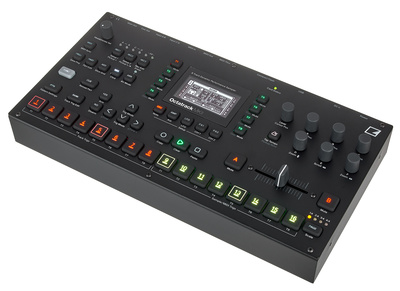
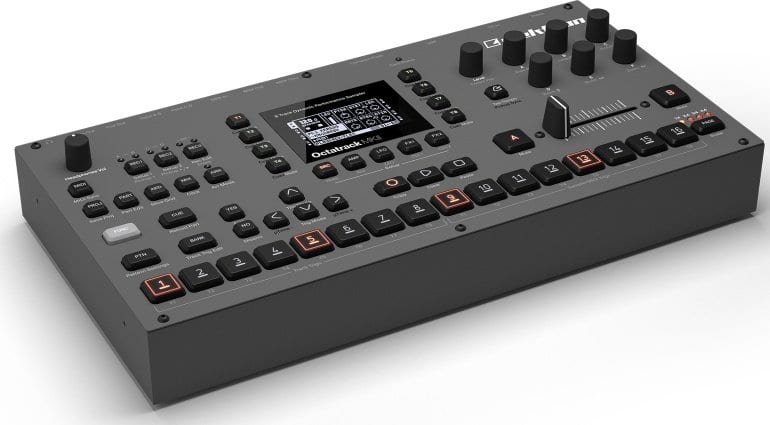
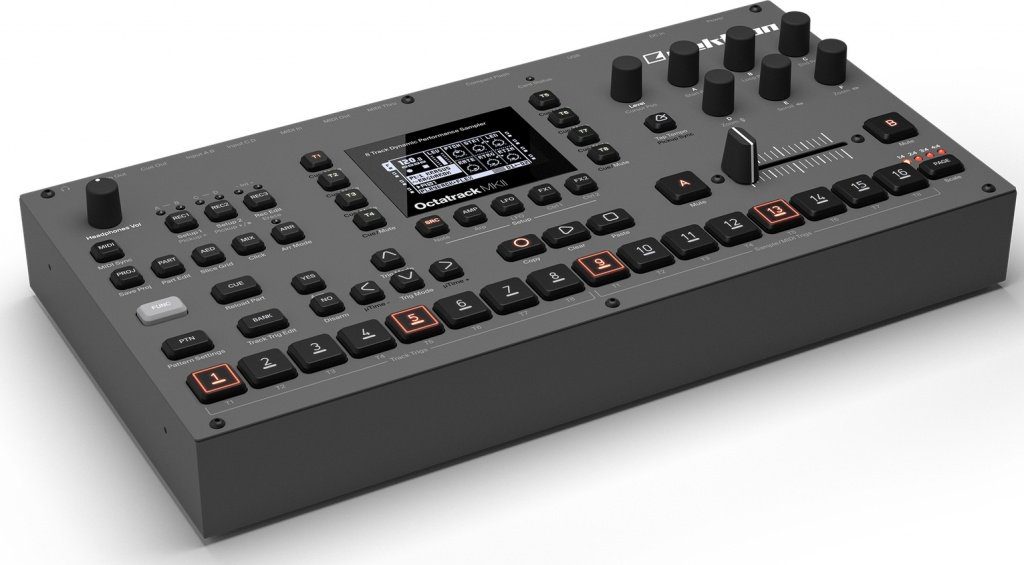
Given how fast product cycles usually move these days, the Octatrack from Elektron is a genuine veteran at this point. But even in 2026, there’s barely a sampler out there that can go toe to toe with it. For producing IDM with hardware, Octatrack gives you a device that works beautifully as the center of a whole setup.
That’s largely thanks to its ability to process incoming audio across four inputs in real time, or turn it into loops and samples on the fly. On top of that comes that flat-out brilliant crossfader, which doesn’t just blend between two scenes, it also lets you morph across a huge number of parameters at once. Those two features alone make Octatrack an incredible tool for producing IDM.
But the sequencer holds its own here too, packing plenty of classic Elektron features like Probability, Trigger Conditions, and Parameter Locks. Three LFOs per track (Octatrack runs eight stereo audio tracks and eight MIDI tracks) don’t just enable exciting modulations, they can twist entire sequences into something completely different. Octatrack also handles timestretching and pitch shifting in real time, genuinely useful for tangled breakbeats and glitch sounds.
The only real “downside” of the Octatrack is probably its infamous complexity. You’ll need to put in a few hours just to get comfortable with everything this sampler can do. But for producing IDM with hardware, there’s genuinely not much else out there that compares. The MK II version tightens up the workflow a bit, so it’s worth considering over the original. You can grab the Octatrack MKII here at Thomann* / here at Sweetwater*.



Elektron Digitone II as a Flexible Sound Source and Companion
Anyone producing IDM benefits from flexible sound sources with genuinely sophisticated sequencers, letting you program complex beats and motifs with real precision. The more elaborate the sequencer, the more possibilities you unlock. Elektron is basically the gold standard here, which is exactly why our next pick comes from the same manufacturer.
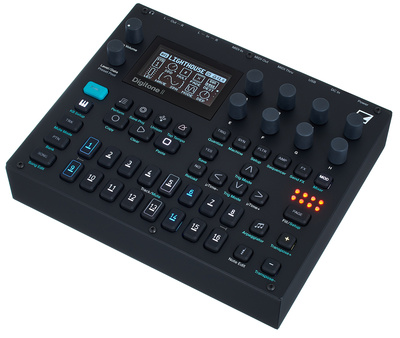
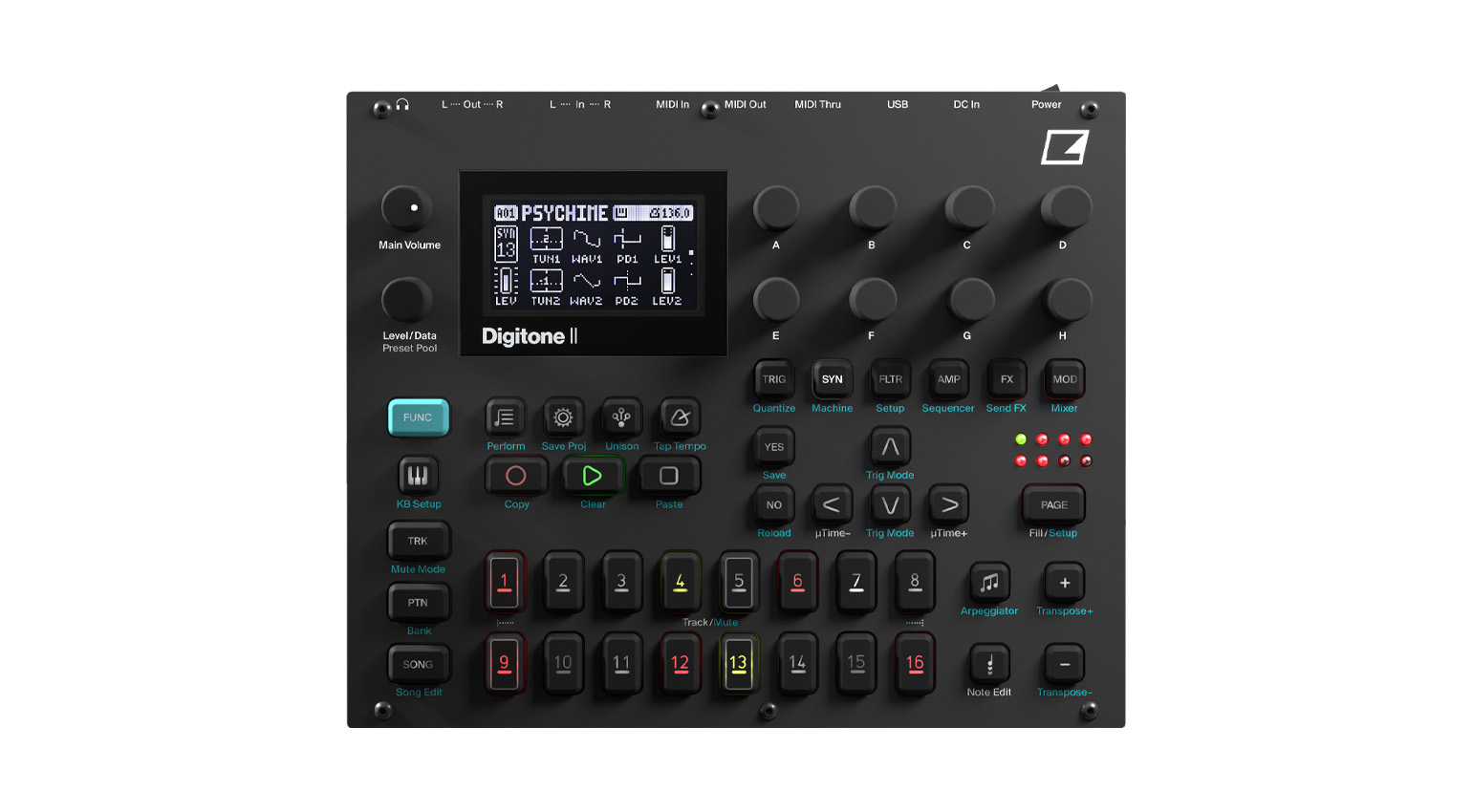
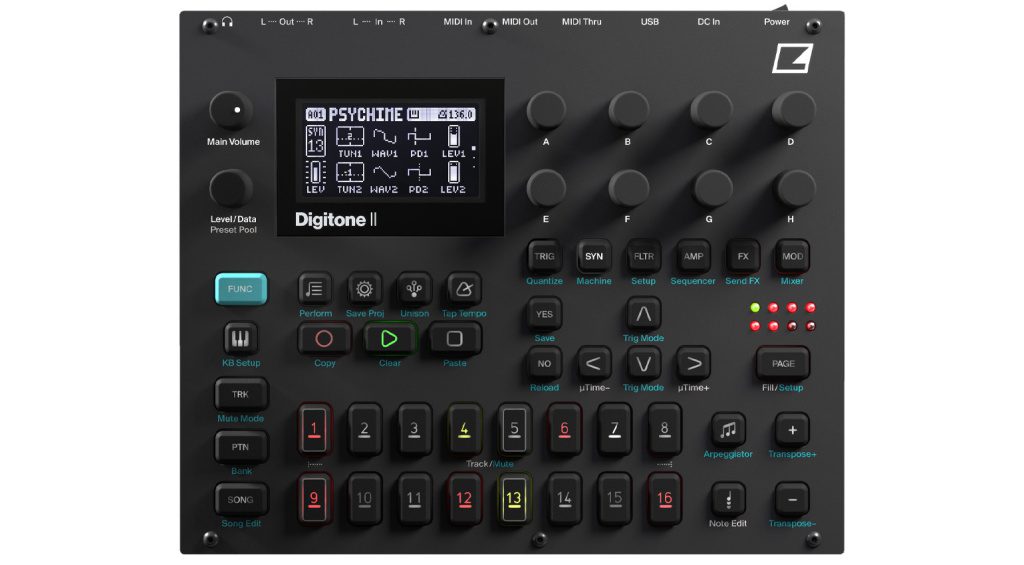
Digitone II is a synthesizer with a built-in sequencer, offering multiple digital synth engines alongside various FM algorithms to generate a massive range of sounds. The sequencer’s bag of tricks delivers varied, surprising sounds along the way, perfect for producing IDM. Toss in a few Trigger Conditions, Parameter Locks, and Probability settings, and even simple loops quickly turn into complex patterns.
The 16-voice polyphonic synth packs six filter machines and a range of effects you can apply per track. Overdrive along with bit and sample rate reduction are genuinely interesting for IDM sounds, and there are three LFOs available per track too. Send effects cover Delay, Reverb, and Chorus, while the master track adds Overdrive and a stereo compressor on top.
Of course, Digitone II isn’t just for glitch sounds and beat chaos, it works just as well for basses, leads, pads, chords, and whatever else you need. Paired with the Octatrack II, you’ve already got a genuinely powerful duo for producing IDM that could keep you busy for years. Elektron Digitone II is available here at Thomann* / here at Sweetwater*.
Make Noise 0-Coast as an Analog Complement
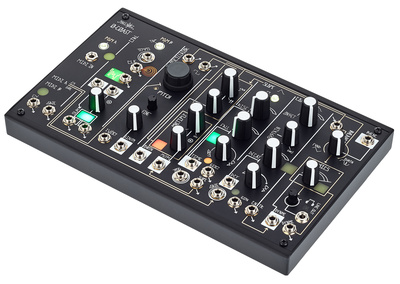
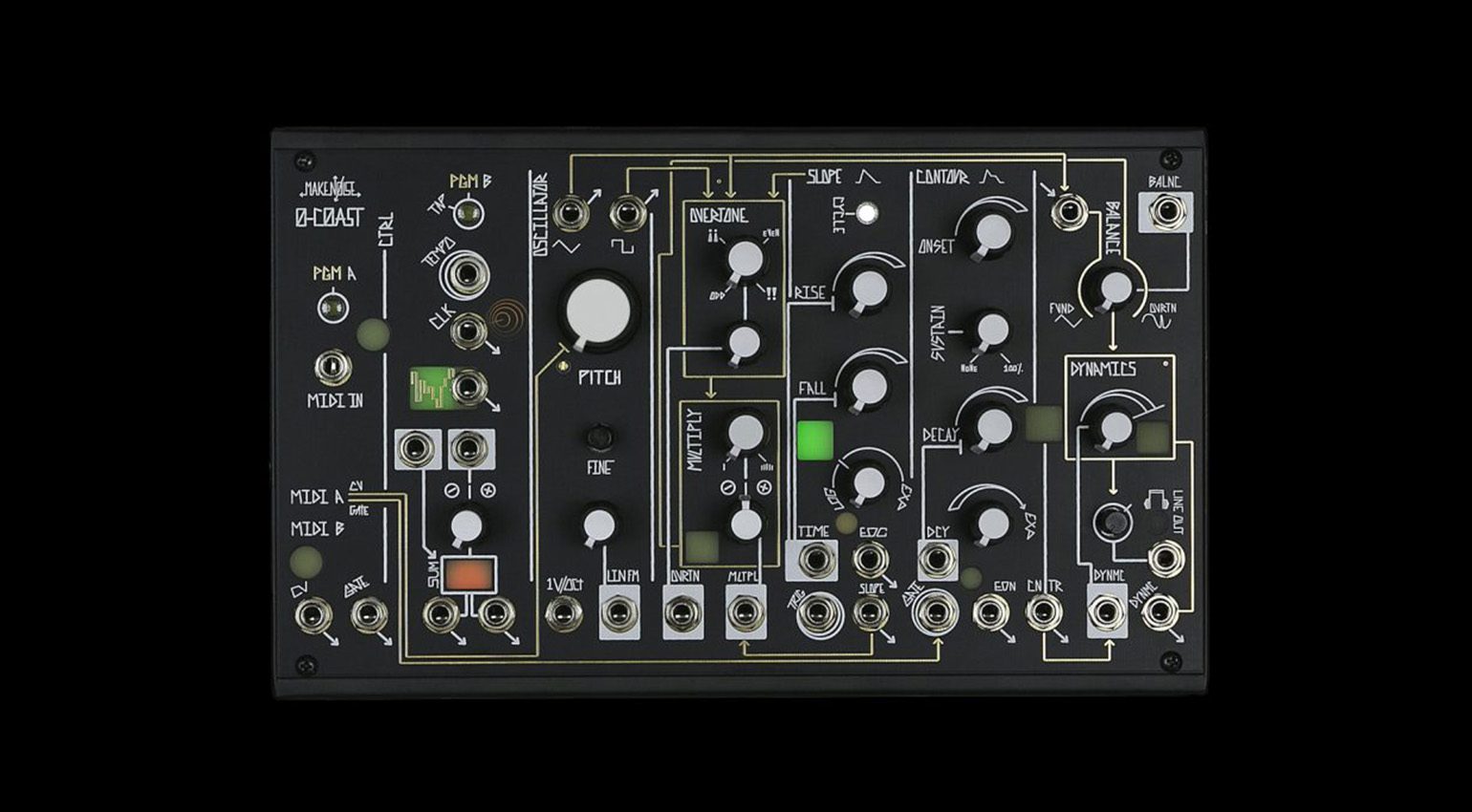
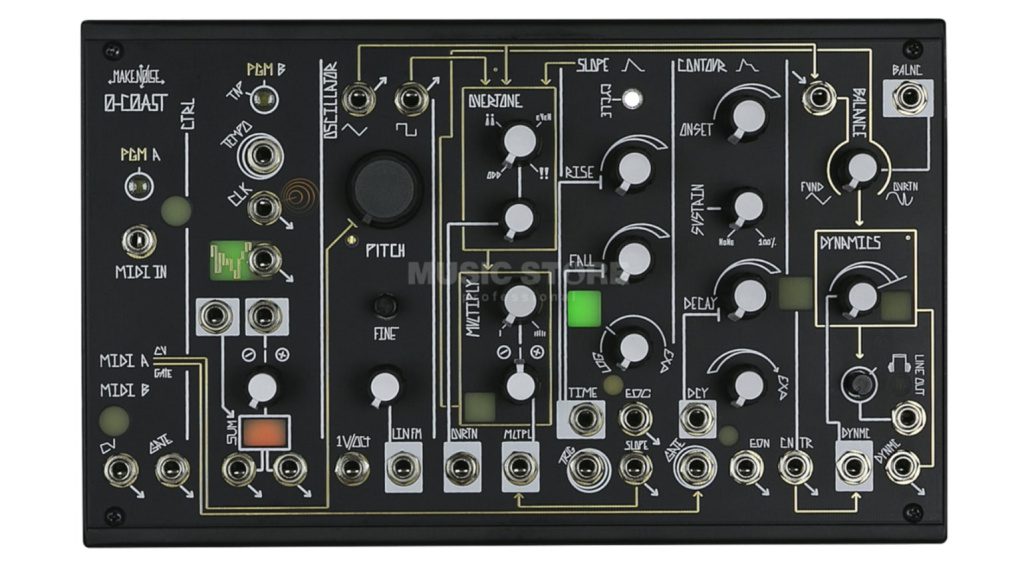
Now let’s get to the third piece of this Perfect Match: the analog, semi-modular 0-Coast from Make Noise might look like an unusual pick at first, but its blend of East Coast and West Coast synthesis brings some genuinely interesting properties to the table.
Of course, producing IDM works with a completely different setup too, the 0-Coast here really just stands in as a “placeholder” for an analog sound source. There’s plenty of other gear out there that’s at least equally interesting.
We’re highlighting the 0-Coast because its design is such a great invitation to experiment, and because it just sounds incredible. Instead of sticking to classic bass and lead territory, this little synth churns out weird, metallic, organically shifting sounds just as quickly, thanks to FM, modulation, and its unusual Overtone/Multiply circuits.
Thanks to all the patching options on board, a simple synth patch turns into a complex sonic experiment in no time. Leads, percussion, drones, and downright weird sound design, none of that is a problem for the 0-Coast.
What’s genuinely handy here is that it supports MIDI alongside CV, which makes integrating it into different setups a lot easier. You can drive the synth straight from the Octatrack or Digitone II over MIDI without any hassle, and since both Elektron devices have audio inputs, you can build a whole setup for producing IDM here that doesn’t even need a mixer. You can grab the Make Noise 0-Coast here at Thomann* / here at Sweetwater*.

Bottom Line on Producing IDM
Producing IDM with this hardware doesn’t come with any real limits. The Elektron Octatrack MKII has a few years on the odometer at this point, but it’s still a fantastic choice as the centerpiece of a hardware-based setup. Between the four inputs, the real-time sampling and audio manipulation, the sophisticated sequencer, and that multifunctional crossfader, you get a more than solid foundation for classic IDM, glitch, and electronica sounds.
A synth groovebox like the Elektron Digitone II makes for a perfect companion, giving you exciting sounds, melodies, and chords to work with. Here too: producing IDM works with just this synth alone, but paired with the Octatrack, your creative options genuinely multiply.
To take things one step further, the Make Noise 0-Coast rounds out the trio. This analog, semi-modular synth combines West Coast and East Coast synthesis principles into one compact format. The 0-Coast handles a whole range of sounds, and they don’t need to stay warm and analog either, it does metallic and cold just as convincingly.
More on This Topic and More Content on Gearnews
- Drum and Bass in the DAW: 3 Powerful Plugins for Production – Perfect Match
- Boards of Canada Sound: These 3 Synths and Samplers Are a Perfect Match
- Live Techno with Hardware: 3 Ideas for a Perfect Match
- More about Perfect Match
*Note: This article about producing IDM contains affiliate links that help us keep Gearnews running. The price for you always stays the same! If you buy something through these links, we receive a small commission. Thanks for your support!
The post Producing IDM: 3 Tools for Complex Beats and Glitches – Perfect Match! appeared first on gearnews.com.