We explore a range of FL Studio alternatives for electronic beat production, with DAWs that favour creative workflow over clinical editing precision.
In this Article:
About FL Studio
The journey of FL Studio began as Fruity Loops, a simple 4-track step sequencer that presented a primitive but immediate approach to music production. While other DAWs sought to replace tape machines in professional studios, Fruity Loops gave musicians a creative platform that required no knowledge of sound engineering and became the driving force behind the growing global community of bedroom producers.
It was only in 2001 that FL added a piano roll, which allowed more traditional MIDI sequencing, and not long after, the software rebranded as FL Studio to avoid any legal conflicts with the Kellogg’s cereal company. Although FL Studio has expanded its feature set considerably since its formative years, the core workflow of the channel rack and playlist editor remains essential to the DAW’s makeup.


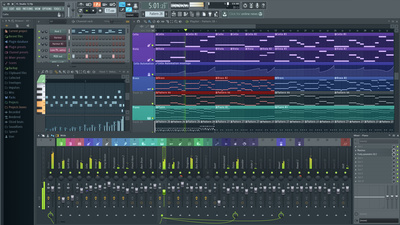
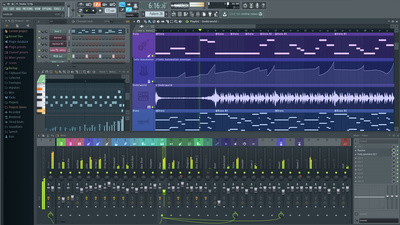
The creative fluidity of FL Studio has truly resonated with producers over the years and has become a catalyst in the growth of a range of music genres, including House, Trap, Gqom, and Amapiano. Are there other DAWs that offer a similar level of immediacy for beat creation while including an exciting selection of instruments and effects? Let’s find out.
FL Studio Alternatives: LMMS
LMMS, or Let’s Make Music, is a free open-source DAW that closely resembles FL Studio and has some similarities in terms of the workflow. This includes a Beat + Bassline Editor, which works like the Channel Rack in FL Studio, and the Song Editor, which operates as an equivalent to FL’s playlist editor.
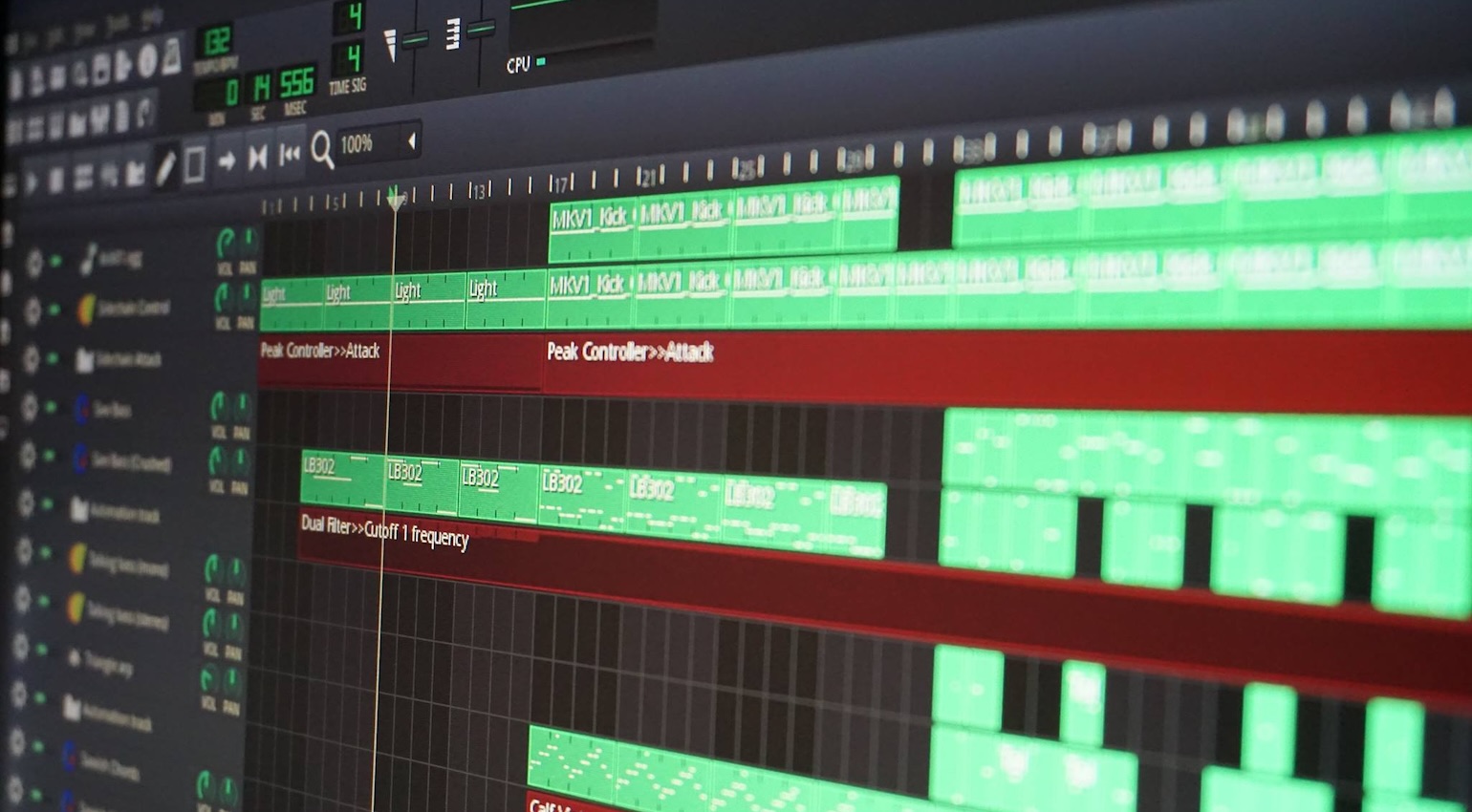
In addition, LMMS has its own range of instruments and effects, including emulations of the Commodore 64 SID and Nintendo APU engines, as well as the Roland TB-303. While there is only native support for VST2 plugins, you can use sub-hosts like Kushview Element and Carla to run VST3 plugins within the VeSTige interface.
Like the older versions of FL and Reason, LMMS cannot record audio, so if you manage to add this functionality, be sure to share it with the rest of the open-source community. Otherwise, you can always use another program like Audacity to record your vocals and instruments, and simply export the .WAV files back into LMMS when necessary.
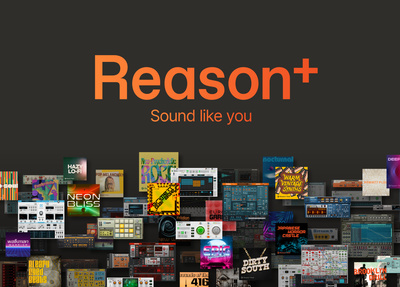
FL Studio Alternatives: Reason
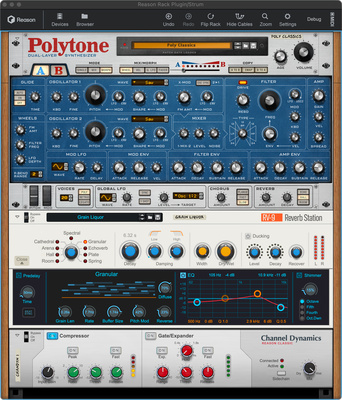
First released in 2000, Reason provided a skeuomorphic virtual rack interface with a range of instruments and effects that could be turned around to access the audio and MIDI routing cables. The included sample-based drum machine, Redrum, had a built-in step sequencer not unlike FL Studio, while the Matrix Pattern Sequencer allowed you to sequence any instrument with a similar approach.
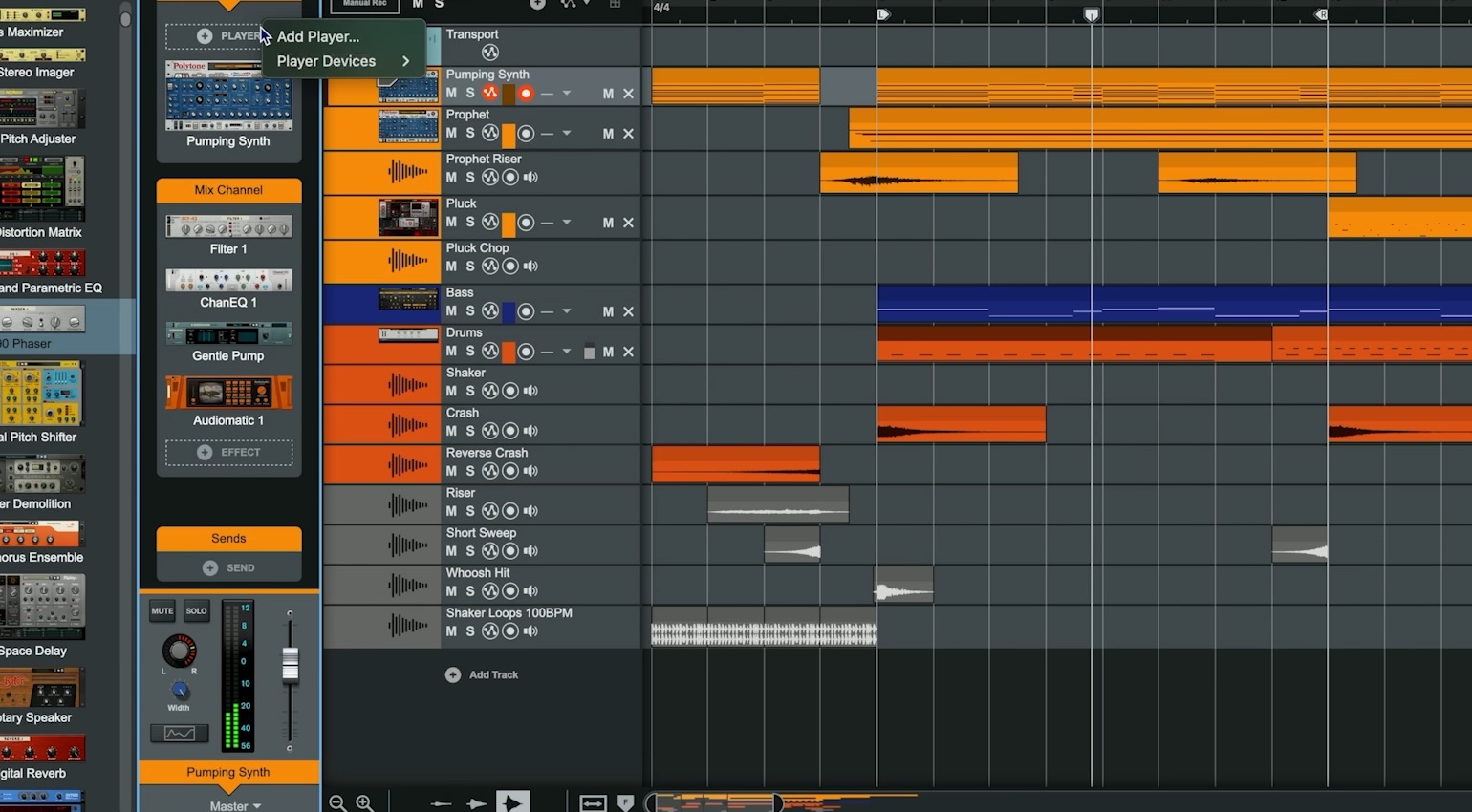
Although the primary sequencer didn’t allow audio recording initially, Propellerhead Software had created a platform called ReWire, which allowed its apps like Rebirth RB-338 and Reason to be ported into other major DAWs like Cubase and later, Pro Tools as well. With VST instruments still in their infancy, Reason’s virtual rack instruments were ahead of their time.
This allowed Reason to grow within two markets simultaneously, as pro studio users saw it as an expansion of their main DAW, while electronic music producers were more than happy to deal with its initially clunky sequencer to have access to the excellent instruments and effects. Today, Reason has the same functions as most DAWs, and Reason Rack gives you access to its virtual rack modules without changing DAWs. Get it at Thomann.*

FL Studio Alternatives: Apple Logic Pro
In around 2000, Logic, which was still under the German manufacturer Emagic, started launching its own range of powerful software instruments and effects, including the ES1 and ES2 synthesizers and the EXS24 sampler. While they were available as premium add-ons for Logic 4 users, they came bundled with Logic 5 before Apple acquired the company in 2002.
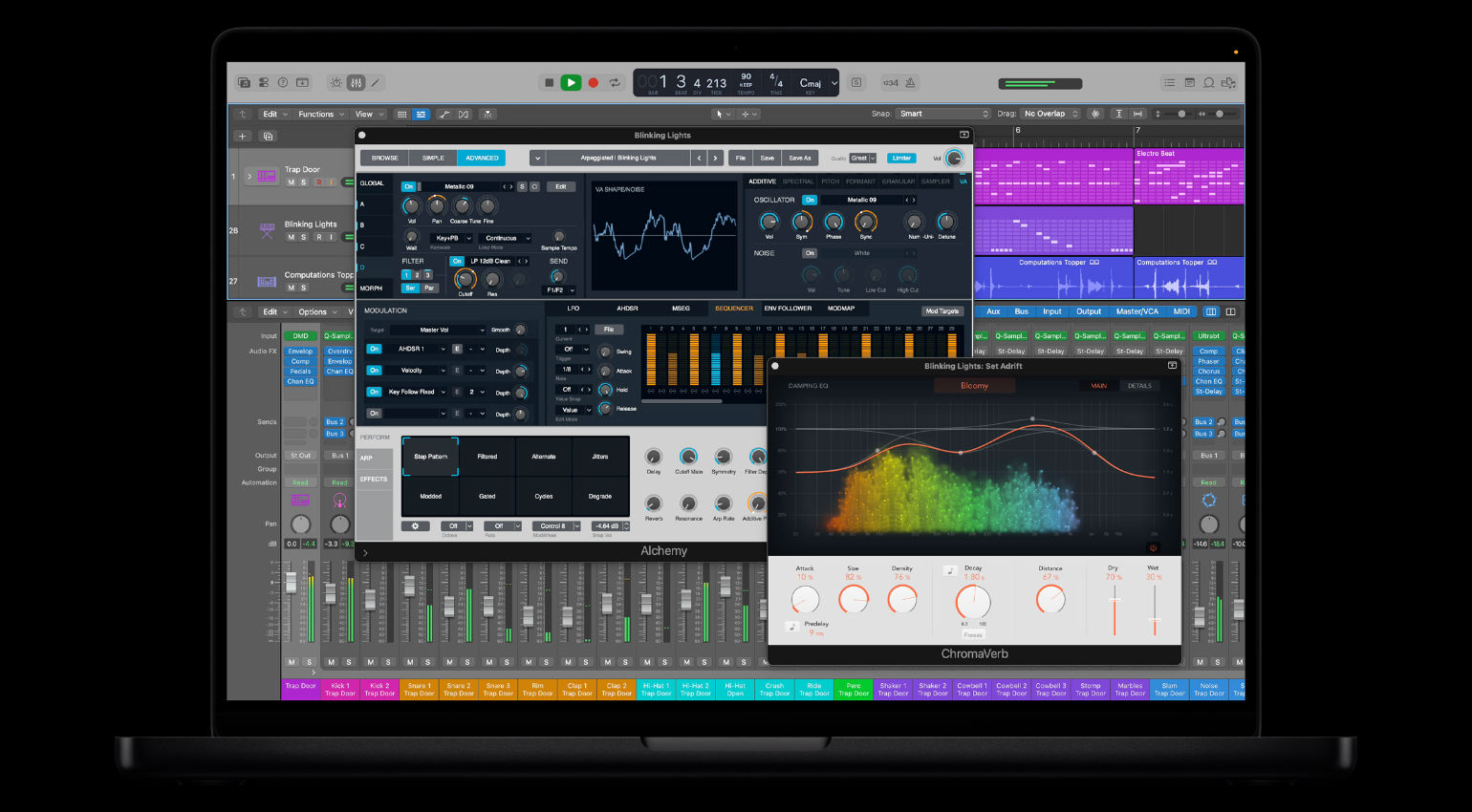
While Logic’s MIDI sequencing capabilities were always one of its strengths, it never quite had the simplicity offered by FL Studio or Reason. However, in 2004, Logic added Ultrabeat to its roster of bundled instruments and effects, a powerful drum synthesizer with a built-in step sequencer that gave users the familiarity of TR-style pattern creation and the ability to delve deeper into percussion synthesis.
Today, Logic has most of the features you’ll find in FL Studio, and the new version updates also come without additional cost. Over the years, Logic has also upgraded its audio editing capabilities, so you’ll find features that are slightly stronger in this area than FL Studio, although there is usually a workaround between one DAW and another.
FL Studio Alternatives: Ableton Live
Easily one of the most popular DAWs and considered the industry standard for electronic music, Ableton Live is a formidable alternative to FL Studio. In key areas like workflow immediacy and the selection of powerful instruments and effects, Live is just as powerful, and its global audio warping engine makes it extremely flexible.
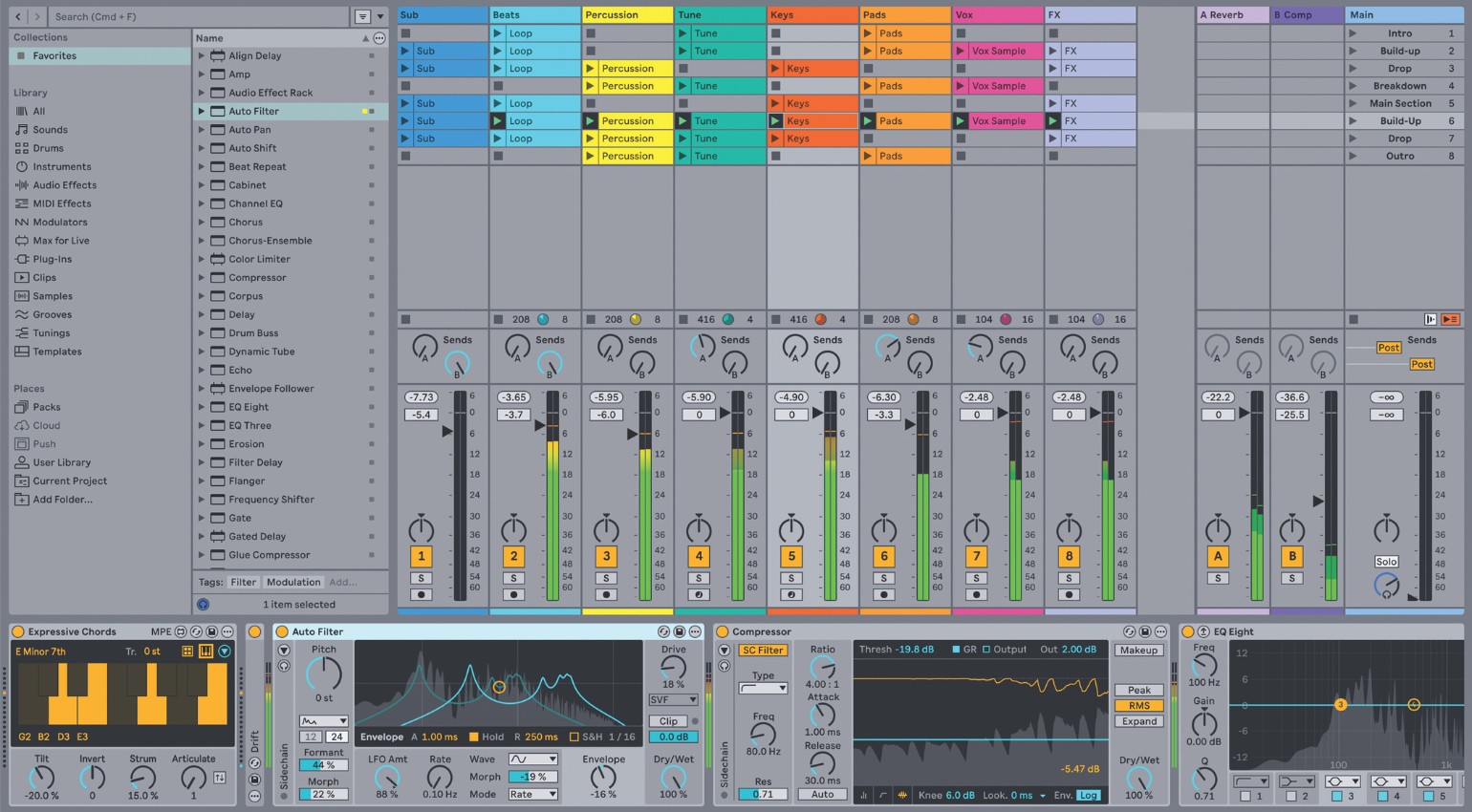
In addition, Live offers considerable expandability with the Max for Live platform, which allows you to build your own devices such as instruments, sequencers, and effects. If you’re the kind of producer who uses a range of hardware MIDI instruments and controllers in your workflow, Live is probably one of the best DAWs because most of its processes are designed to work in real time.
What’s more, Ableton’s Push and Move offer ways to either extend or turn Live’s functionality into a mobile performance or production environment, and collaboration is always easy because almost every musician you know uses Ableton. Like FL Studio, there are three primary tiered versions of the DAW, but major version upgrades (e.g., from 12 to 13) are paid updates, so keep this in mind. Get it at Thomann.*

FL Studio Alternatives: Bitwig Studio
If you’re looking to go a little deeper into aspects of music production like sound design and non-linear sequencing, then Bitwig Studio is certainly worth checking out. While one could argue that it lacks the simplicity of FL Studio, it surely makes up for it with its flexibility and the customization options that are available at almost every turn.
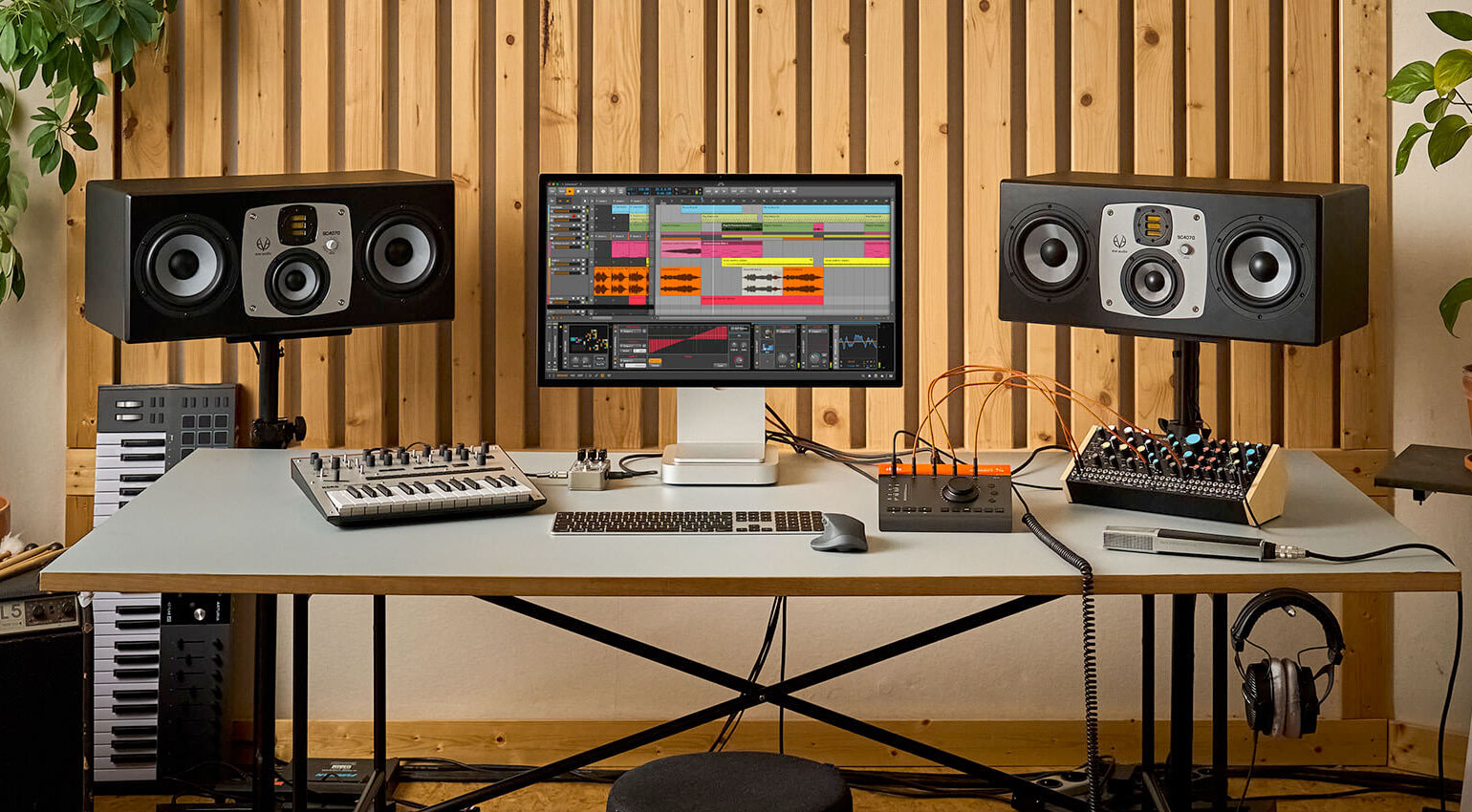
One of the key areas where Bitwig shines is its internal modulation matrix, which allows you to assign complex modulation routings quickly and control any plugin parameter with an envelope, LFO, or sidechain tracker. Meanwhile, The Grid is equally impressive, a visually-based modular synthesis environment that lets you create instruments and effects from scratch.
Naturally, as Bitwig was founded by ex-Ableton employees, the DAW has some common ground, like clip launch and the live electronic jamming workflows. However, Bitwig has developed an identity of its own, appealing to artists and producers who like its modular workflow and the fact that it interfaces well with Eurorack systems. Get it at Thomann.*
*Note that this item is on sale until 4 August

More about FL Studio Alternatives:
*Note: This article contains affiliate links that help us fund our site. Don’t worry: the price for you always stays the same! If you buy something through these links, we will receive a small commission. Thank you for your support!
The post FL Studio Alternatives: DAW Options for Beatmakers appeared first on gearnews.com.