
What does it actually take to get a genuinely big guitar tone? A Les Paul with beefy humbuckers, a 100-watt tube amp, a 4×12 cab (or two), and plenty of gain? Sounds logical enough. And honestly, sitting alone in front of my amp, that recipe works pretty well. The second bass, drums, and a second guitar show up, though, the whole picture shifts. That supposedly huge tone turns mushy, disappears into the mix, or just ends up sounding smaller than before. So how do you actually get a big guitar tone?
Big Guitar Tone at a Glance
- More gain doesn’t automatically mean a bigger tone; too much distortion kills attack and dynamics
- Your picking hand shapes tone more than most gear ever will
- Humbuckers aren’t always the answer; leaner pickups can leave more room in a mix
- Guitars sit mainly in the midrange; too much bass and low-end fights the bass and kick
- Speakers and cabinets shape a huge part of the final sound, not just amp and pedals
- Double tracking creates real width through tiny human differences between takes, not copy-paste
- A killer solo guitar tone often disappears in a mix; judge tone in context, not alone
- The bass fills in what the guitar deliberately leaves out, and that’s where size really comes from
Big Guitar Tone: What Actually Makes a Guitar Sound Massive
Pull apart some of the biggest guitar tones in rock history and the individual pieces are often shockingly unremarkable. Less gain than you’d guess. Not much bass. And some guitar tracks sound almost thin when you solo them. It’s only once other instruments and tracks show up that all of it fuses into what we hear as a massive wall of guitar, a big guitar tone, in other words.
That’s really what this piece is about. Not one specific amp, not the perfect pickup, not some secret pedal. Just the question of why a guitar sounds big in the first place. A big guitar tone turns out to be a lot more than one impressively built, standalone guitar sound.
Myth Number One: More Gain Doesn’t Make a Tone Bigger
I know the instinct well. You want a bigger tone, so the first move is cranking the gain knob. Eventually every note starts singing almost on its own, chords hit like a wall, and even a half-hearted power chord sounds like the end of the world. At least while you’re playing alone.
Here’s the catch, though. As distortion piles up, the signal gets more compressed. Quiet and loud picking start blurring together, extra overtones pile in, and sustain goes up. That reads as denser at first, which really does create the illusion of size. But dynamics, attack, and definition quietly disappear in the process.
This becomes a real problem fast with rhythm guitars specifically. A tightly picked riff lives and dies on the beginning of every note staying clear and defined. Wash that attack out with too much distortion, and individual picks start bleeding into each other.
AC/DC is a great counterexample here. The guitars on Back in Black sound massive, but soloed, they’re actually a lot less distorted than you’d think. A huge chunk of the punch comes from picking attack, volume, midrange, and how the instruments sit together.
Sometimes a guitar tone actually gets more powerful once you back the gain knob off a bit (yes, keep going, just a touch more).
Your Picking Hand: A Big Guitar Tone Starts Before You Even Plug In
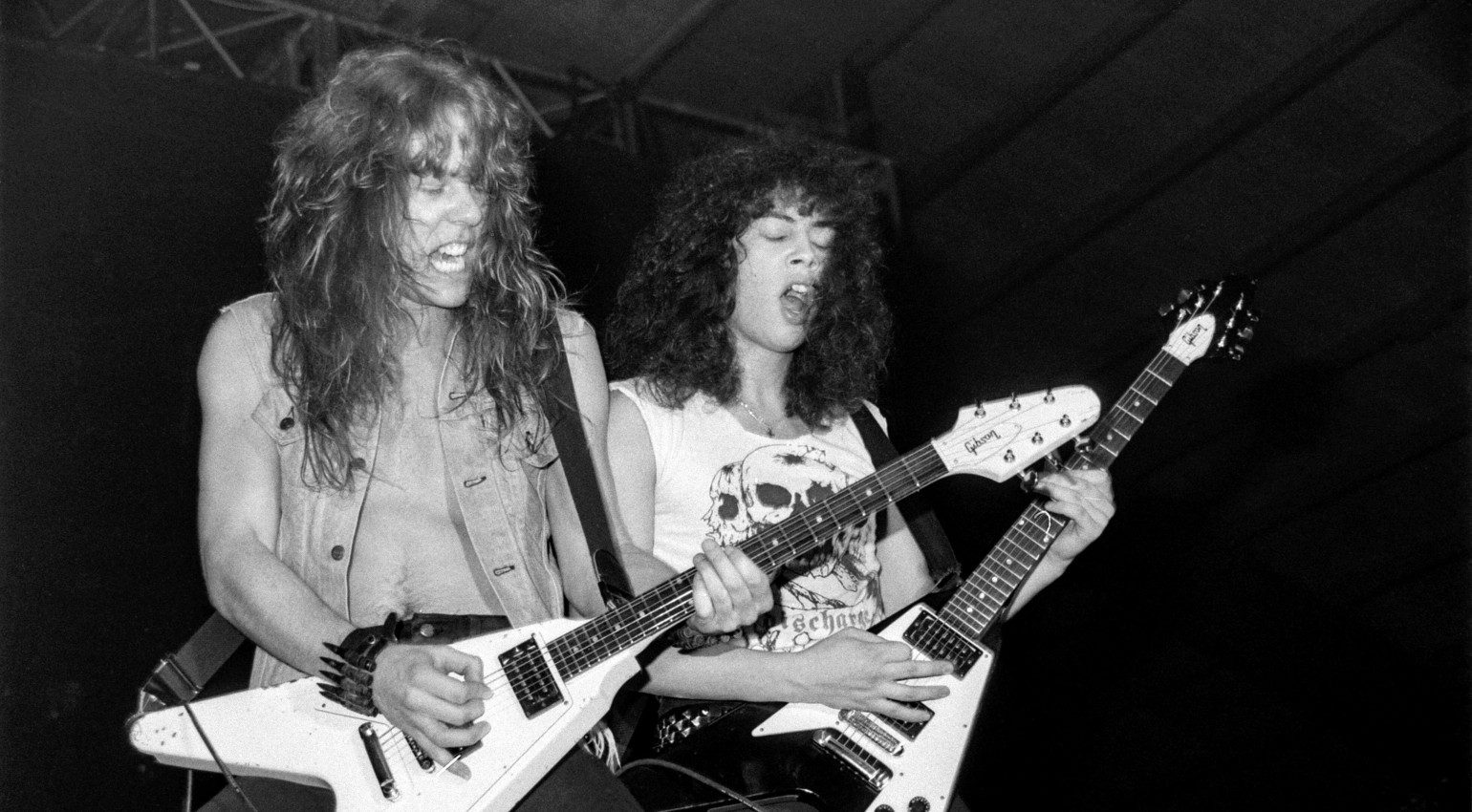
Before we get into pickups, amps, and speakers, we need to talk about the one part of the signal chain you can’t buy or swap out: how you actually play.
How hard a string gets hit, exactly where the pick lands, how cleanly your picking hand mutes strings you don’t want ringing, all of that shapes the resulting tone way more than people expect. For distorted rhythm guitar specifically, attack decides whether a riff lands tight and defined or just sounds thick and mushy.
Change your picking attack on purpose sometime and you’ll hear exactly what I mean. Same amp, same guitar, same settings, and yet the second, harder attack almost always reads as bigger, simply because the attack itself comes through more clearly.
Something similar happens with palm muting. Choke it too hard and a riff sounds short and lifeless, don’t control it enough and it loses rhythmic precision. That massive metal chug everyone chases is honestly at least as much about your picking hand as it is about whatever high-gain amp you’re running.
Where you pick matters too. Closer to the bridge, the tone gets harsher and brighter. Move toward the neck, and it softens and fills out. Then there’s pick thickness, attack angle, and timing on top of all that. The amp, at the end of the day, can only work with whatever signal you feed it. And if you weren’t blessed with James Hetfield’s picking hand, like me, don’t worry, technique alone isn’t the whole story here either.
Guitar and Pickups: Bigger Isn’t Always Better to Get a Big Guitar Tone
Now we finally get to talk gear. Chasing a big guitar tone, the obvious move is grabbing the fattest-sounding guitar you own. So: humbuckers, high output, plenty of low end. Right?
That can absolutely work, but it’s not a universal rule (thankfully, or this whole topic would be pretty boring).
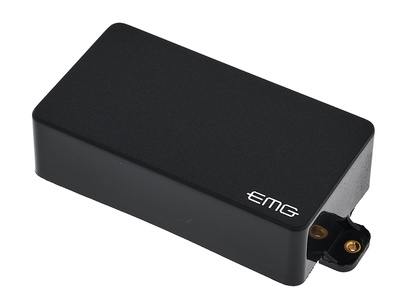
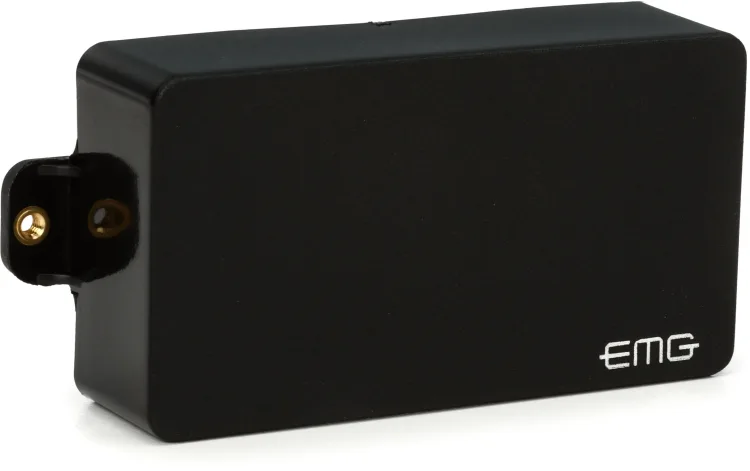
A punchy, active humbucker like the EMG 81* typically delivers more output and pronounced mids, while a classic single coil tends to sound more open, brighter, and often thinner. Played solo, the humbucker usually wins for a big rock tone right away. In a full arrangement, though, the picture can flip.
A slightly leaner guitar tone leaves more room for bass, kick, and additional guitar tracks. At the same time, strong mids and highs keep the guitar audible without needing to be loud.
You can hear this within a single guitar too. The neck pickup often sounds fuller than the bridge. And yet distorted rhythm parts land on the bridge pickup almost automatically. Its tighter low end and sharper attack keep individual picks cleanly separated.
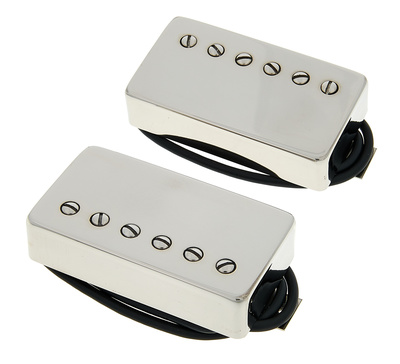
Hot pickups behave similarly. More output can push an amp into saturation earlier, while a moderate pickup like a classic PAF, something like the wonderful Bare Knuckle The Mule*, preserves more dynamics and transparency.
The pattern gets clearer: the biggest individual tone isn’t automatically the biggest overall sound. Though to be fair to humbuckers, for pretty much anything we’d actually call a big guitar tone, they’re still a solid bet.




The Amp: Mids Over Bass
This is where I have to keep questioning (and changing) my own guitar tone on a regular basis. Playing alone, my trusty Laney with plenty of bass, scooped mids, and thick gain genuinely sounds impressive at first. The room fills up, low power chords hit hard, a proper big guitar tone, right there. That’s exactly where the trap is hiding, though.
In a band context, a guitar shouldn’t be trying to do the bass’s job, and it definitely shouldn’t be fighting the kick drum for the lowest frequencies. Its real territory sits higher up, mostly in the midrange.
Scoop that out and try compensating for the missing punch with more bass and gain, and you’ll get an impressive tone alone that disappears fast once the mix fills in.
Which is exactly why a genuinely great guitar tone can sound surprisingly thin and unpleasantly midrangey in isolation, go check out our list of the worst guitar tones of all time. Some of those sound rough on their own. But the second bass and drums kick in, they lock into exactly the spot they’re supposed to occupy.
This matters even more once you’re stacking multiple guitar tracks. Every extra bit of bass competes with other instruments, and every extra bit of gain strips definition from the attack. Instead of piling more frequencies into the tone, it usually pays off to pull specific ones out.
The Speaker: Where Electricity Actually Becomes Sound and a Big Guitar Tone
Guitars and amps are the stuff we could all argue about for hours, happily, and with growing enthusiasm. The speaker, though, gets treated shockingly often like it’s just the end of the signal chain, an afterthought. Which is strange, because that’s exactly where the important part happens: electrical signal turns into actual moving air.
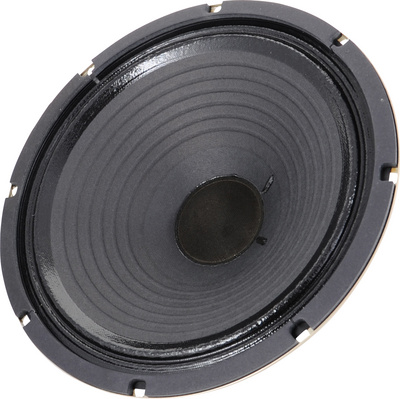
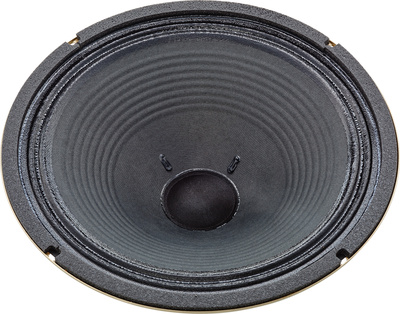
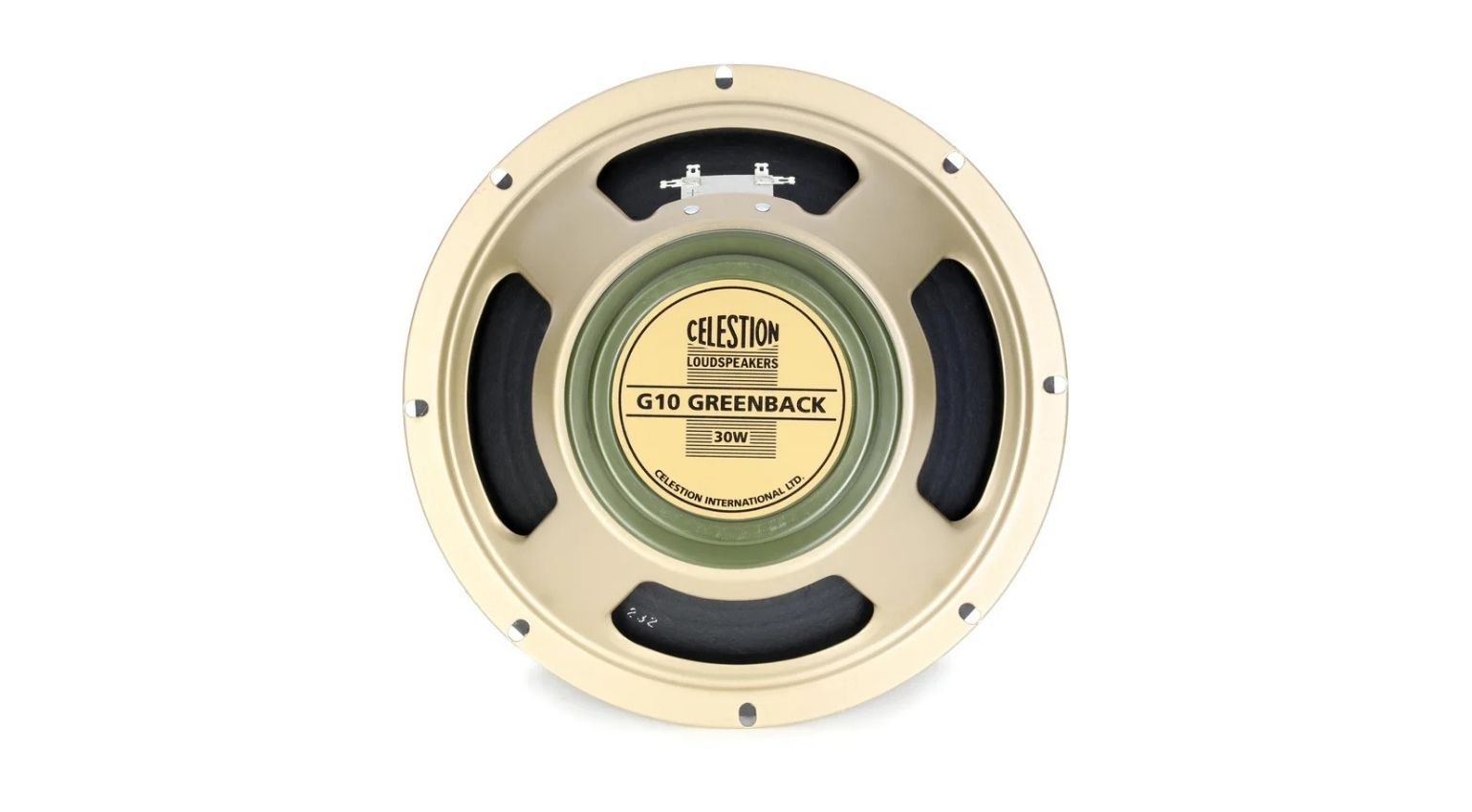
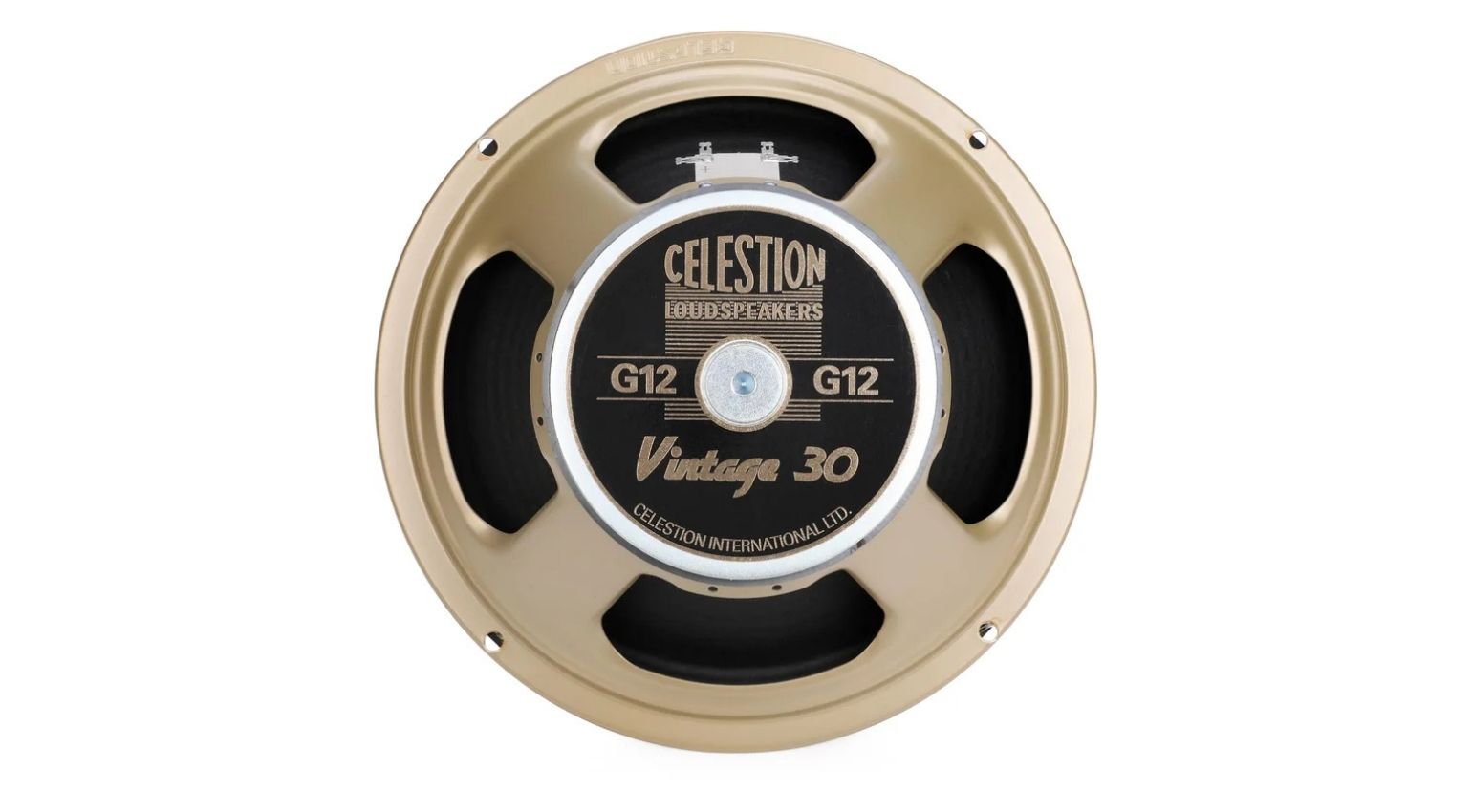
Speakers are anything but neutral. A Celestion Greenback* behaves nothing like a Vintage 30*, and a classic Jensen* sounds different from both of those again. Frequency response, efficiency, and how a speaker behaves at higher volumes all shape a huge chunk of what actually reaches your ears in the room.
Then there’s the cabinet itself. An open-back 1×12 disperses sound completely differently than a sealed 4×12. The bigger cab moves more air and couples with the room in a different way entirely. That sense of size doesn’t come from raw volume alone.
You notice this instantly when running the exact same amp through different cabs. Bass, mids, even the perceived amount of distortion all shift. If you’ve got the time and the gear, testing this out in a rehearsal space is the real deal, but solid amp sims like Bias FX and similar tools can at least get you a good starting point. Click around and A/B test until the sun comes up, guaranteed.

The Real Trick: Two Small Guitars Make One Big One
A genuinely big guitar tone, the kind you hear on your favorite records, needs one more crucial ingredient beyond everything above: a second guitar.
The classic method here is double tracking (or triple, quadruple, whatever you’re up for). A rhythm part gets played twice, as identically as possible. One take lands hard left in the stereo image, the other hard right. Notice the word “played.” Just copying a single track onto both sides won’t get you the same effect. So yes, you actually have to put the work in.
The size comes from the tiny (!) differences between the two takes. Timing, pick attack, and intonation always vary slightly with a human player. Those small deviations are exactly what makes your ear register two similar but not identical signals. The result reads as wider, more powerful, and bigger.
Bands like Metallica, Foo Fighters, and Smashing Pumpkins have taken this principle way further at times: multiple guitars, different amps, and additional layers stacked into a genuinely massive wall of sound. And nobody’s ever claimed ten guitar tracks was overkill. Right?
Still, more isn’t automatically better here either. Every additional track raises the risk of frequencies masking each other. That’s why individual tracks often need to be leaner, drier, and less distorted than you’d expect from playing alone.
The Most Important Bandmate: The Bass

Now for something that’s almost uncomfortable to admit in a guitar article: a huge chunk of a genuinely big guitar tone might not come from the guitar at all.
Mute the bass during a big rock chorus and you’ll hear it immediately. The guitars are all still there, and yet the whole foundation suddenly collapses. Bring the bass back in, and the guitar itself somehow sounds bigger again too.
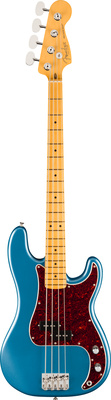
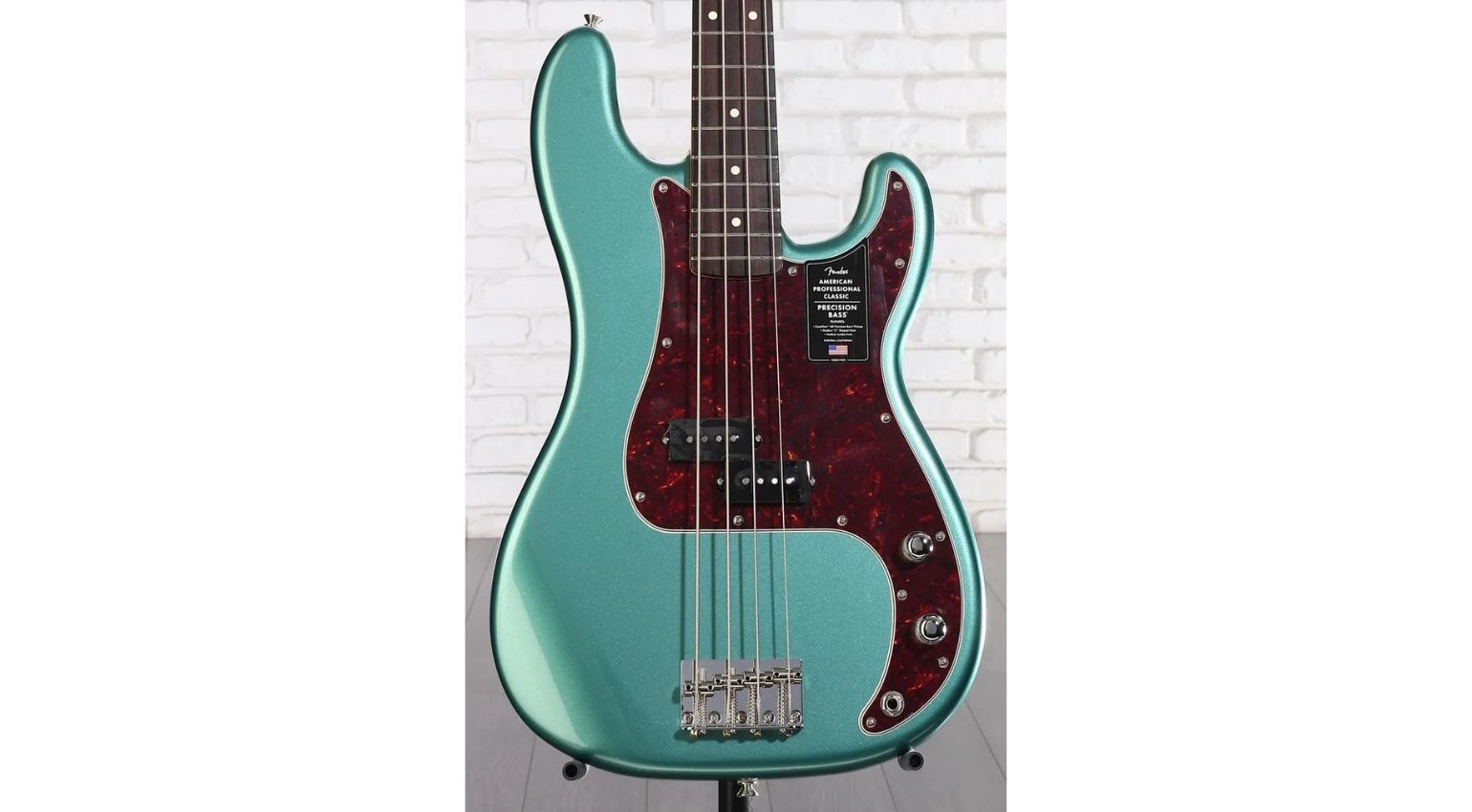
When the bass doubles the guitar riff in its root form, it fills in exactly those low frequencies we deliberately didn’t overdo at the guitar amp. Your ear then fuses both signals into one bigger, combined impression.
This works especially well with a slightly overdriven bass tone. That distortion generates overtones that reach right into the guitar’s frequency range. Bass and guitar end up sonically merging as a result. The guitar supplies attack, mids, and aggression, the bass brings weight and foundation. Together, you get something neither instrument could pull off alone.


The Big Guitar Tone: Why Your Tone Is Allowed to Sound Worse on Its Own

Which brings us to a realization that can feel a little unsatisfying while you’re tweaking sounds at home: the perfect guitar tone doesn’t need to sound perfect on its own at all.
I know this one from my own home studio. You sit in front of your amp or plugin, play the same riff over and over, and keep dialing in the sound until that one solo guitar sounds as impressive as possible. A bit more bass, a bit more gain, maybe some reverb on top.
Then the rest of the mix comes in, and suddenly barely any of that glory survives.
That’s exactly why it pays off to judge sounds in a musical context as early as possible. A simple drum loop with a bass track is already enough for me. Only then do I actually hear which frequencies are missing and which ones are too much.
The guitar tone often feels smaller at first once you do this: less bass, less gain, less reverb, more mids and attack instead. Solo, that might sound less spectacular. In the mix, though, the guitar starts growing, simply because it’s no longer fighting every other instrument for space.
Conclusion: Big Guitar Tone Happens Between the Instruments
So what does it actually take for a genuinely big guitar tone? Sure, guitar, pickups, amp, and speaker all matter. Still, there’s no single piece of gear and no magic setting that turns an ordinary sound into a big guitar tone on its own.
Size comes from the interplay of a lot of small decisions. Controlled picking gives you definition. Less gain preserves attack. The right mids create presence in the mix. Speaker and cabinet shape the final result. Double tracking creates width, and the bass supplies that foundation we tend to expect from the guitar alone.
If you’re trying to make your guitar tone bigger, don’t always try to make the individual guitar itself bigger. Sometimes it needs to sound deliberately smaller, leaner, and simpler. Because a genuinely big guitar tone doesn’t happen in front of the amp, and it doesn’t happen on the pedalboard either, it happens between the instruments.
This article was written by Jan Rotring for GEARNEWS.de.
*Note: This article about big guitar tone contains affiliate links that help us keep Gearnews running. The price for you always stays the same! If you buy something through these links, we receive a small commission. Thanks for your support!
The post Big Guitar Tone 2026: Why Does a Guitar Actually Sound Huge? appeared first on gearnews.com.