These are some of the best guitar tones that are immortal on vinyl, tape, and MP3 formats. Guitarists can learn something from each of them. Let’s have a listen.
Songs with the Best Guitar Tones:
All About the Best Guitar Tones:
- The best guitar tones from rock history aren’t all about gear; they combine technique and musical expression.
- From the driving tone of Free’s All Right Now to Pink Floyd’s hypnotic solo tone in Comfortably Numb, these 5 tracks show how the right guitar tone can define a song and become legendary.
- All of these picks of the best guitar tones come from the old-school rock era, where everything was analogue and done properly. You could only get these tones by really cranking an amp to unlock the sound.
All Right Now – Free
First up in our look at the best guitar tones, we have the work of a player who was just 19 when they wrote and recorded quite possibly one of the ultimate hooks ever. Paul Kossoff was taken from us far too young, but songs like this help us to celebrate and remember his work.
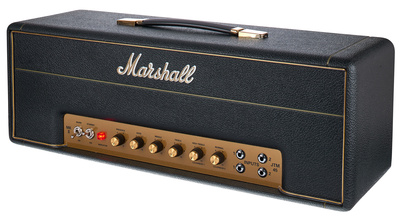
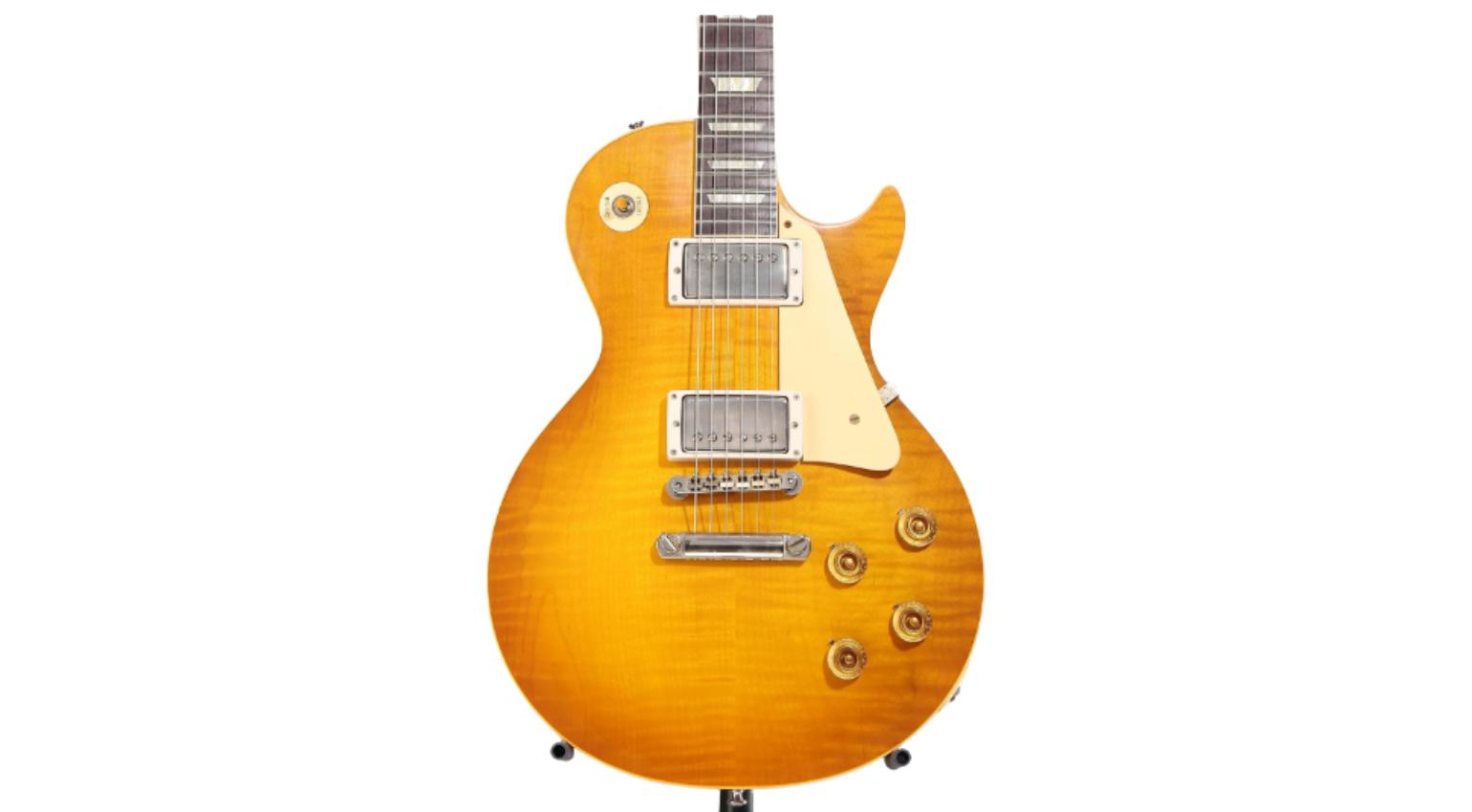
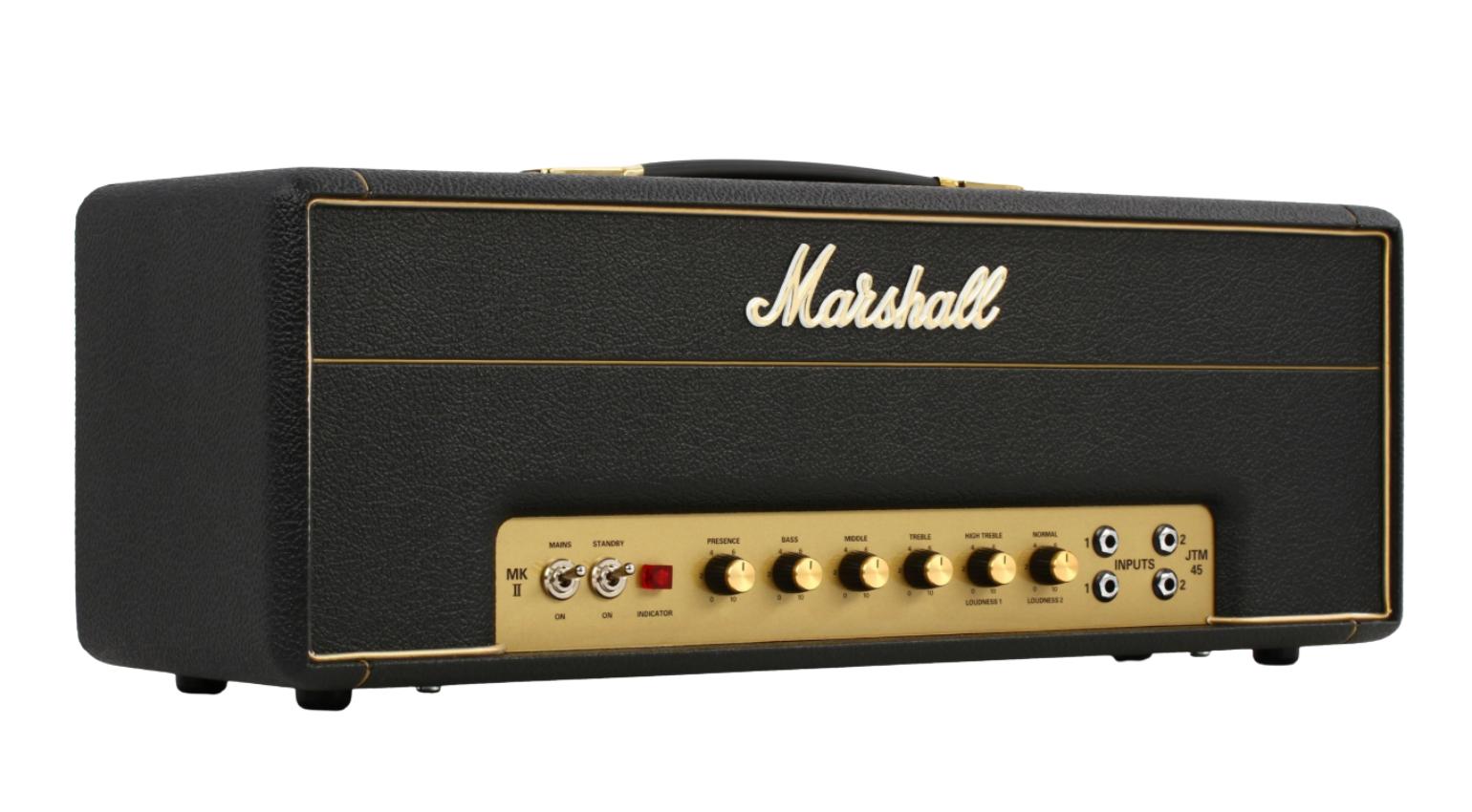
What makes the guitar tone so good in All Right Now? I think that there are many factors. Let’s start with the gear; Kossoff played a 1959 *Les Paul, which is a great place to start, plugged straight into a screaming hot *Marshall Amplifier. No drive pedals or effects, just those two.
Moreover, the actual playing contributes to the legendary sound. The first A chord of the riff features three octaves within it. Overall, this provides a huge sound from just one instrument. You have to remember that there was only one guitarist in Free, and therefore Kossoff had to make up for that. It’s definitely something I’ve learnt from his playing.





Surrender – Cheap Trick
For me, as a guitarist, the best guitar tones are easily achieved. It’s not that hard. Our next pick is Cheap Trick’s Surrender, and it captures the whole 1970s glam rock thing. Humbucking bridge pickup and some overdrive. It makes for a fantastic rhythm tone.
This kind of sound makes the best guitar tones because it’s so versatile. Just look at Angus Young of AC/DC fame. He was able to adjust his touch and attack for solos, without the need for any pedals. This example is just a pure rhythm tone, with no real heroic guitar work to talk about.
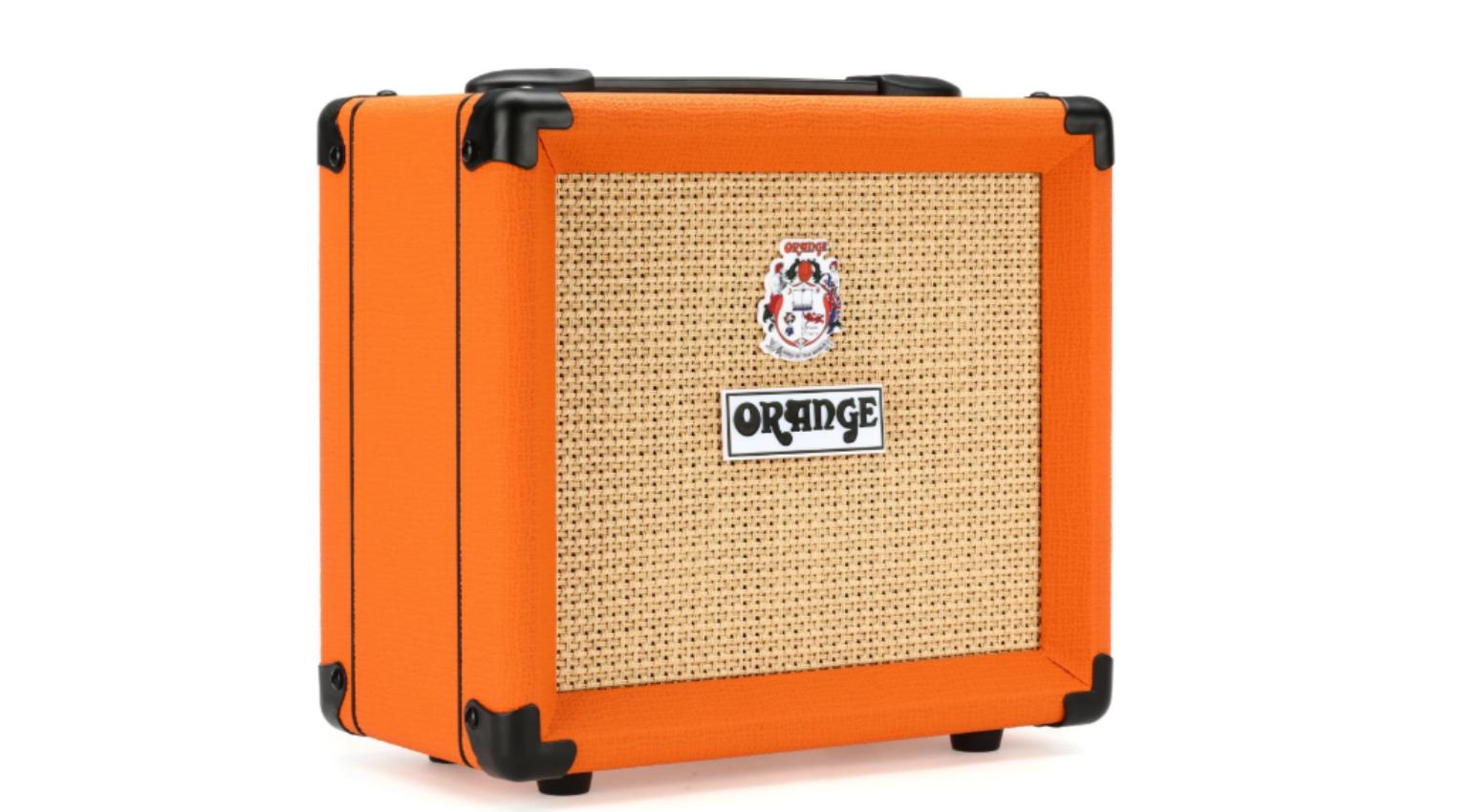
What makes this late 70s song so good for guitarists is the open chords played on a Les Paul, along with an *Orange amp that’s cranked up to achieve that sweet, sweet overdrive. In a 2026 world of compression, delays, and fancy reverbs, it’s good for the soul to use a tone like this.


Suspicious Minds – Elvis
Jumping back to something a little earlier now. Elvis was in his comeback era in the late 1960s, and Suspicious Minds helped aid that recovery. Elvis’ earlier hits had some cool rockabilly guitar parts, with hits such as Little Sister and Heartbreak Hotel. However, Suspicious Minds has something much more subtle.
These days, clean and dry guitar tones are pretty much frowned upon. Whereas the clean-cut nature of Reggie Young’s Super 400 Gibson is pure gold. Almost literally, named after its price at the time, making it the most expensive guitar on sale. Personally, when I gig this, I add in some slapback delay, but you can’t beat the original.
What also helps this to be one of the best guitar tones is the pinpoint accuracy of the playing. The chords are simple, but the combination of the hammer-ons and chord changes requires some precise picking. Besides the guitar tone, this is a great track to learn as it jumps to a 6/8 time signature in the bridge, helping players to refine their metre.
Pride and Joy – Stevie Ray Vaughan
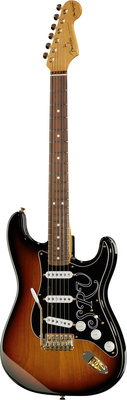
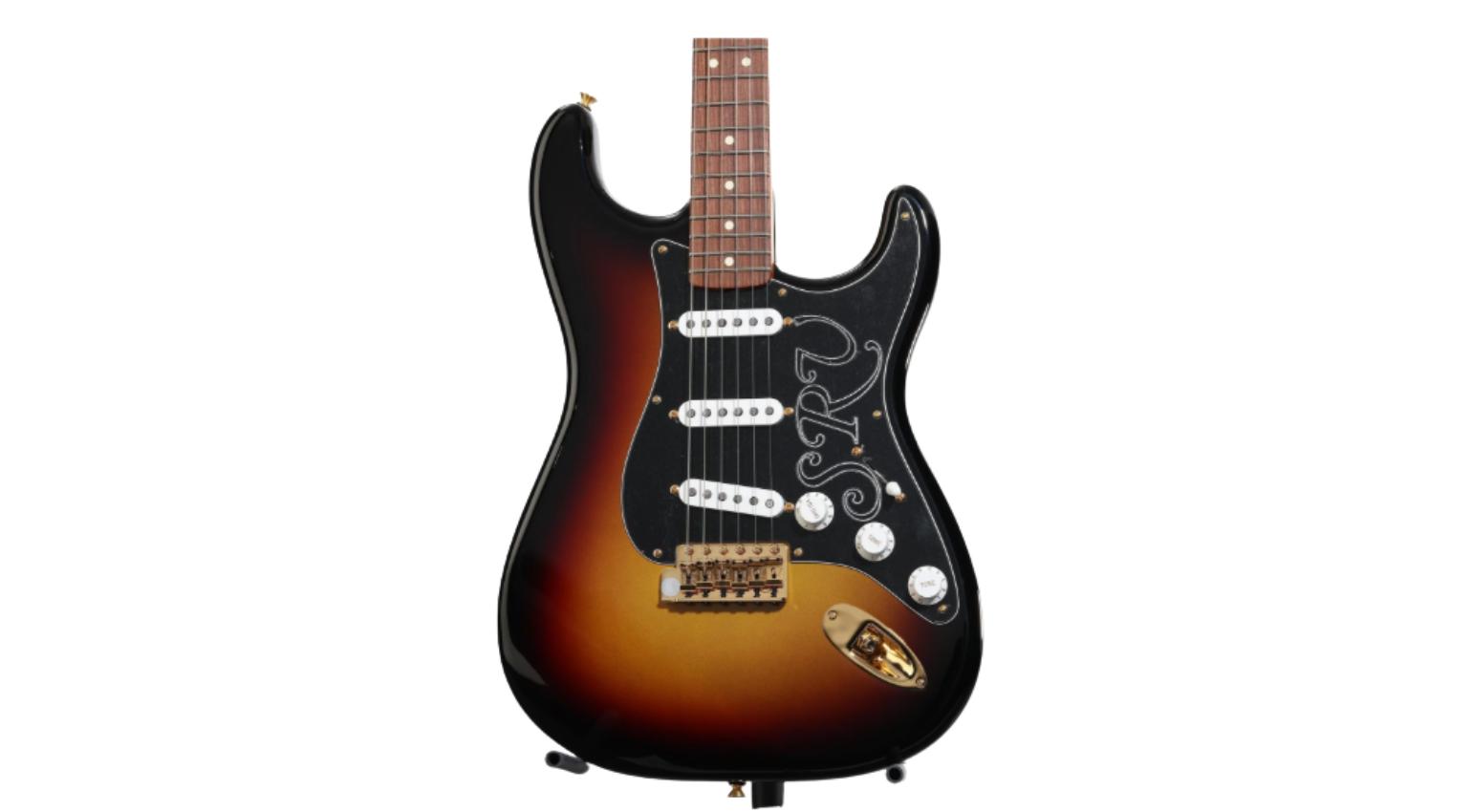
From Gibson glory to simple Strats. SRV is one of my guitar heroes, and his guitar tone has to be one of the most talked about across rock history. Once again, it’s not just the gear that he used, but the other factors that led to chart success and iconic guitar parts.
Let’s talk strings, because SRV used a custom set of strings. Many people think that in order to get this kind of guitar tone, you by default need the heaviest strings you can get your hands on. It’s not as simple as this; what you need is a custom set of strings that have a heavy 0.58 low E string, an unwound G string for easy bends, and a 0.13 high E string. The Eb tuning also helped SRV’s *Stratocaster’s to sing as they did.

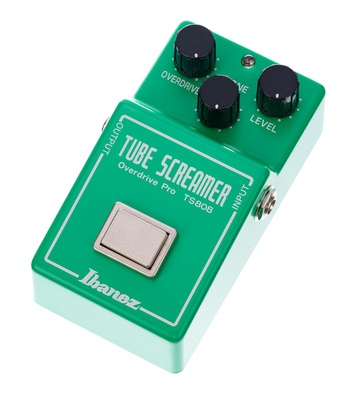
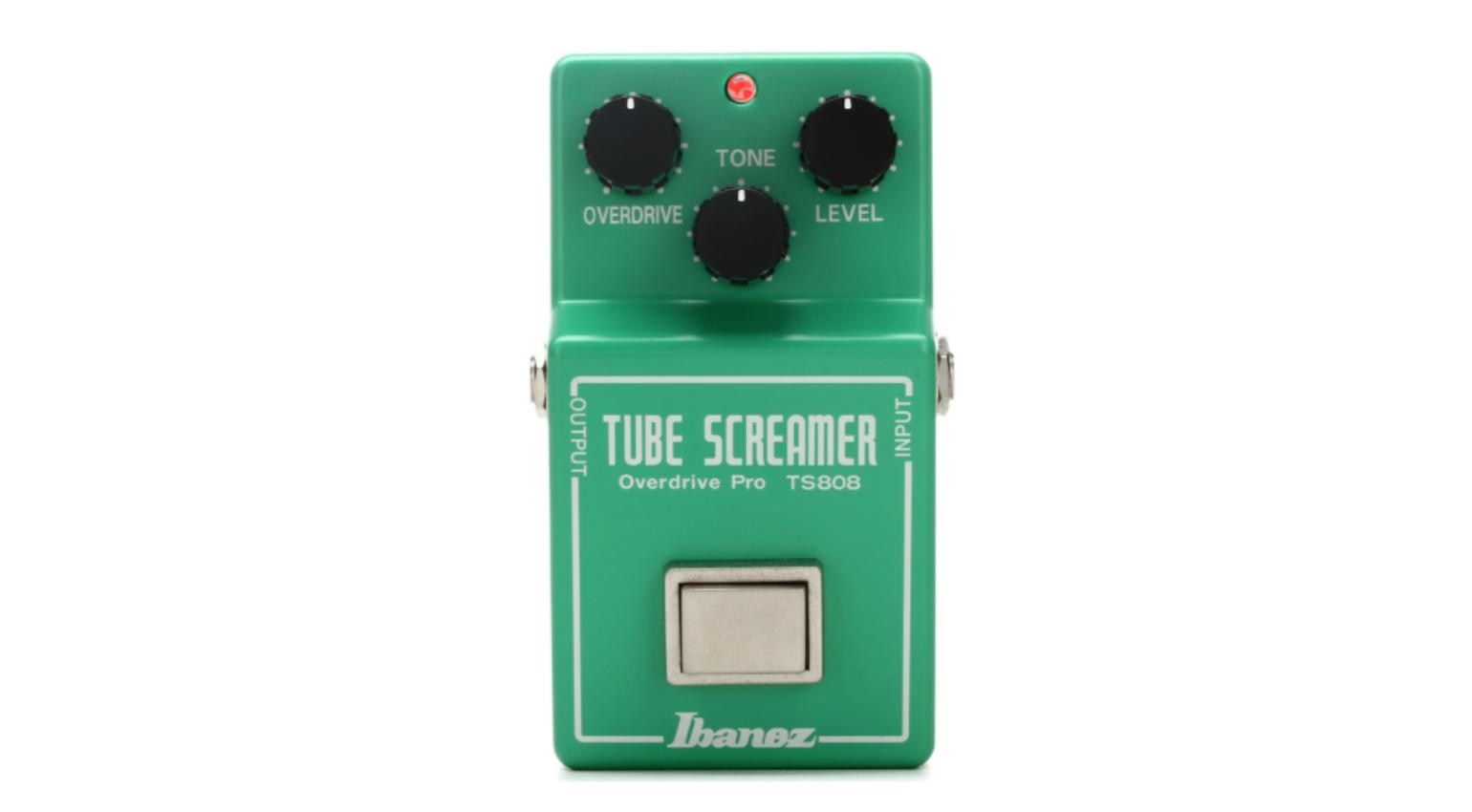
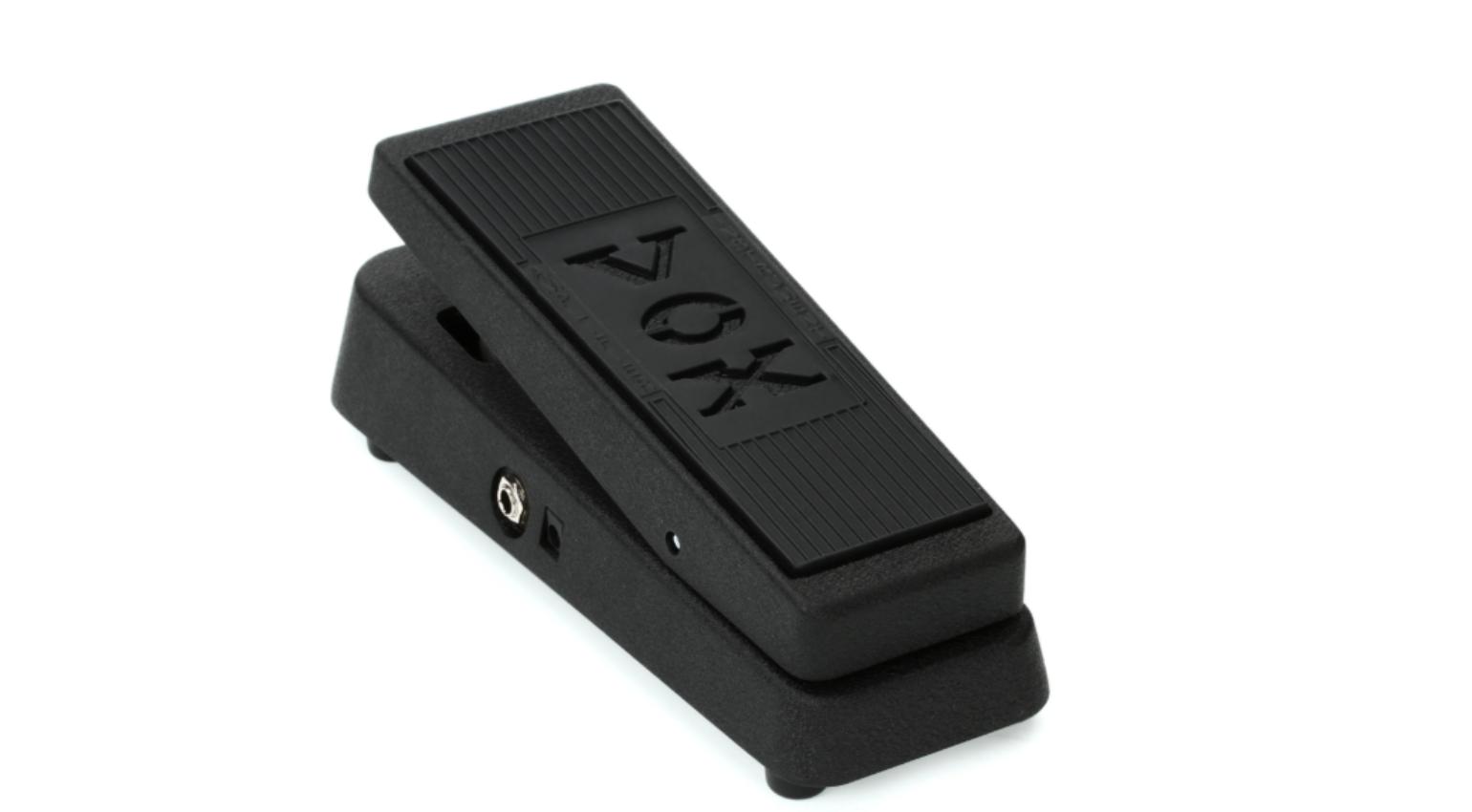
Unlike most of the picks in this list of the best guitar tones, Stevie Ray Vaughan did actually use pedals. Most notably, a *Tube Screamer and a *Wah Pedal. However, the whole edge-of-breakup sound comes from a blackface Fender amp that’s on full volume. This guitar sound is not good for your ears, but is great for your heart.




Comfortably Numb – Pink Floyd
To round off our look at the best guitar tones, we’re not looking at the song as a whole. Pink Floyd’s Comfortably Numb is a complex masterpiece. The guitar work comes in and out during the track, and David Gilmour’s tone in both solos should be studied.
Comfortably Numb has two illustrious solos. The 2nd solo in Comfortably Numb features an almighty pinch harmonic that sets the tone for what is to come. We have to remember that Gilmour was using single-coil pickups for this too! However, what helped him to achieve this distinctive guitar tone was a modification that he made to his guitar whereby he could have the neck and bridge pickup on at the same time. That’s the Gilmour sound.
For me, Gilmour had one of the best guitar tones. He often describes being able to sit on the wall of sound. This is thanks to a pair of high-headroom amps, courtesy of Hiwatt, along with a Fuzz pedal and plenty of delay. What’s so cool about Gilmour is that his tones have changed throughout his career to suit different songs. Compare this to Run Like Hell, and you’d think it was a different player.




Videos
Further Information
*This post contains affiliate links and/or widgets. When you buy a product via our affiliate partner, we receive a small commission that helps support what we do. Don’t worry, you pay the same price. Thanks for your support!
The post Best Guitar Tones: 5 Legendary Sounds to Learn From appeared first on gearnews.com.